
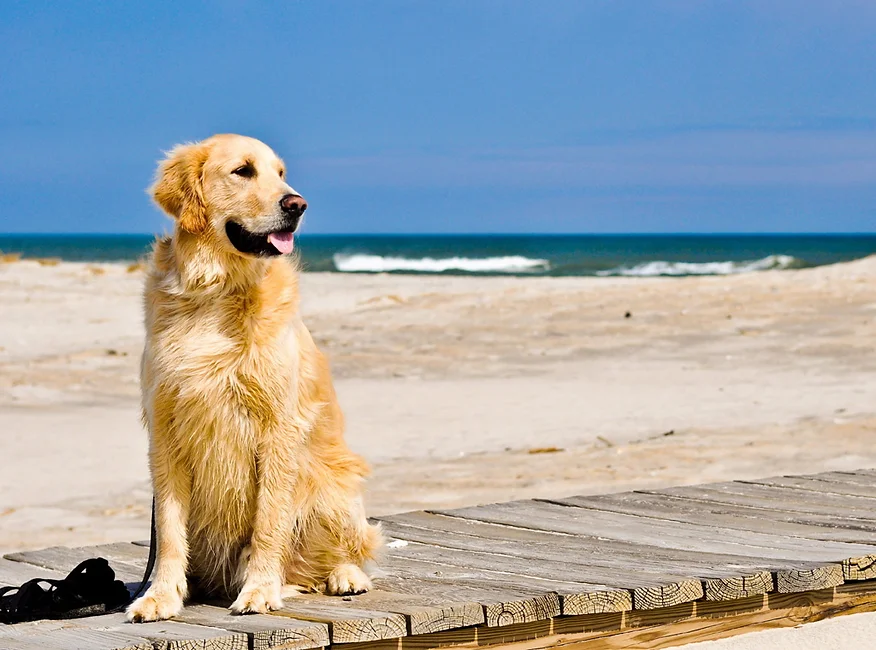
Sunny days at Jupiter Beach are perfect for enjoying the sand and surf with your canine companion. However, just like humans, dogs are susceptible to sunburn and skin damage, especially in Florida’s intense sunshine. Using the best sunscreens for dogs at Jupiter Beach is essential to keep your pet safe, comfortable, and healthy during your beach outings.
Many pet owners are surprised to learn that dogs can suffer from UV exposure, particularly those with short hair, light-colored coats, or exposed skin on their noses, ears, and bellies. Protecting your dog’s skin isn’t just about comfort—it’s about preventing painful burns, long-term skin problems, and even skin cancer. This guide covers what to look for in a dog-safe sunscreen, top recommended products, and tips for safe application during your next visit to Jupiter Beach.
Before heading out, it’s also important to be aware of other local guidelines, such as Jupiter Beach dog leash requirements for parking lots, to ensure a safe and enjoyable experience for everyone.
Why Dogs Need Sun Protection at the Beach
While fur provides some natural defense, it’s not enough for many breeds—especially those with thin or light-colored coats. Dogs with pink skin, hairless breeds, and those with shaved areas are particularly at risk. The sand and water at Jupiter Beach can intensify UV rays, increasing the risk of sunburn. Common areas affected include the nose, ears, belly, and groin.
Repeated sun exposure can lead to:
- Sunburn—Red, tender skin that may peel or blister.
- Skin cancer—Prolonged UV exposure increases the risk of tumors.
- Discomfort and pain—Burned skin is painful and may become infected.
Using a pet-safe sunscreen is a simple step that can prevent these issues and let your dog enjoy the beach safely.
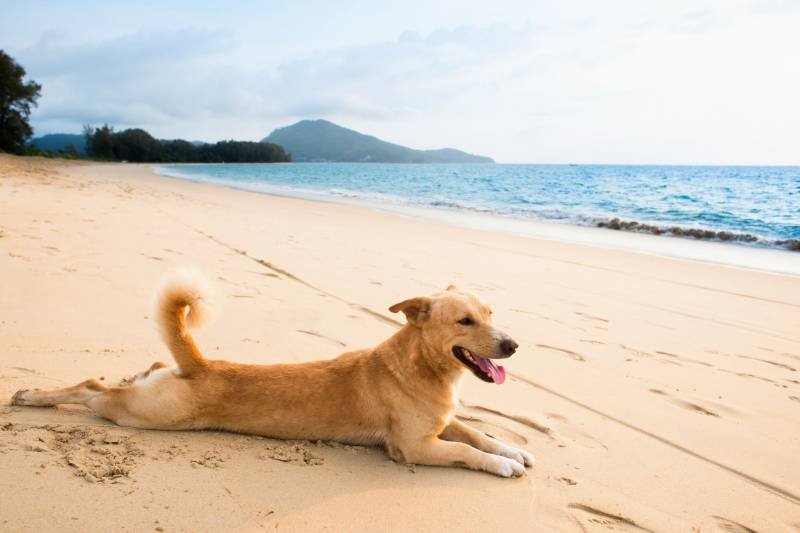
Choosing the Right Sunscreen for Your Dog
Not all sunscreens are created equal, and products made for humans can be harmful to pets. When searching for the best sunscreens for dogs at Jupiter Beach, keep these criteria in mind:
- Pet-safe ingredients: Avoid sunscreens with zinc oxide or para-aminobenzoic acid (PABA), which are toxic to dogs if ingested.
- Water resistance: Choose formulas that stay on even after a swim or a roll in the sand.
- Broad-spectrum protection: Look for products that shield against both UVA and UVB rays.
- Easy application: Sprays, sticks, and lotions designed for pets are easier to apply to wiggly dogs.
- Fragrance-free: Dogs have sensitive noses, so unscented formulas are less likely to irritate.
Always test a small amount on your dog’s skin before full application to check for any allergic reactions.
Top Dog-Safe Sunscreens for Jupiter Beach Visits
Several products stand out for their safety, effectiveness, and ease of use. Here are some of the most recommended options for protecting your dog’s skin during beach outings:
- Epi-Pet Sun Protector Spray: One of the few FDA-compliant sunscreens for pets, this spray offers broad-spectrum protection and is water-resistant. It’s suitable for dogs of all sizes and easy to apply, even on hard-to-reach spots.
- Petkin Doggy Sunstick: This convenient stick is perfect for noses, ears, and other sensitive areas. It’s free of zinc oxide and PABA, making it safe if licked.
- My Dog Nose It! Sun Protection Balm: Specifically designed for the nose and snout, this balm protects against sunburn and moisturizes at the same time.
- Warren London Dog Sunscreen Spray: Lightweight and non-greasy, this spray is ideal for quick touch-ups and is safe for daily use.
These products are widely available online and at pet stores. Always follow the manufacturer’s instructions for application and reapply after swimming or excessive play.
How to Apply Sunscreen to Your Dog at Jupiter Beach
Proper application is key to ensuring your dog is fully protected. Here’s how to get the most out of your chosen sunscreen:
- Apply sunscreen 15–20 minutes before heading to the beach, focusing on exposed skin—nose, ears, belly, groin, and any shaved or thinly furred areas.
- Use a gentle touch and distract your dog with treats or toys to keep them still during application.
- Reapply every 2–4 hours, or after your dog swims or rolls in the sand.
- Monitor for any signs of irritation or allergic reaction, such as redness or itching. If this occurs, wash the product off and consult your veterinarian.
Remember, sunscreen is just one part of a comprehensive sun safety plan. Provide shade, fresh water, and avoid the hottest parts of the day whenever possible.
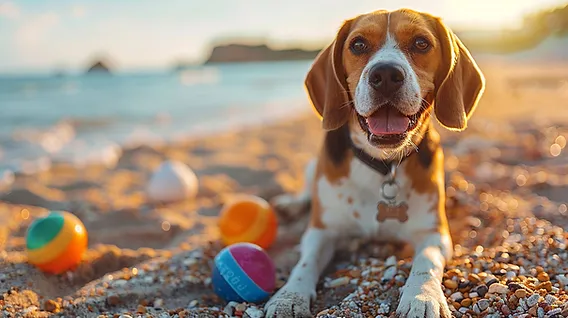
Additional Tips for a Safe and Fun Beach Day
Beyond sun protection, there are other important steps to ensure your dog’s safety and comfort at Jupiter Beach:
- Bring plenty of fresh water and a portable bowl to keep your dog hydrated.
- Offer shade with a beach umbrella or tent, especially during midday hours.
- Watch for signs of overheating, such as excessive panting or lethargy.
- Rinse your dog off after swimming to remove salt and sand, which can irritate the skin.
- Follow local regulations and etiquette, including proper waste disposal. For more information, see this guide on how to dispose of dog waste properly at the beach.
For those new to the area or planning a visit, the Jupiter Dog Beach visitor guide for tourists offers helpful tips on making the most of your trip with your four-legged friend.
Dog-Friendly Beaches and Local Resources
Jupiter Beach is renowned for its dog-friendly policies, but it’s not the only spot in Florida where you and your pet can enjoy the sun and surf. For a comprehensive list of pet-welcoming beaches, check out this guide to dog-friendly beaches in Florida. Always verify current rules and amenities before visiting, as regulations can change seasonally.
Remember to check for any posted advisories regarding wildlife, water quality, or special events that may affect your visit.
Frequently Asked Questions
Can I use human sunscreen on my dog?
No, most human sunscreens contain ingredients like zinc oxide or PABA, which are toxic to dogs if ingested. Always choose a sunscreen specifically formulated for pets to ensure safety.
How often should I reapply sunscreen to my dog at the beach?
Reapply every 2–4 hours, and always after your dog swims or gets wet. Monitor your dog’s skin for any signs of irritation and adjust as needed.
What are the signs of sunburn in dogs?
Look for redness, tenderness, peeling, or blistering on exposed skin. Dogs may also lick or scratch affected areas. If you notice these symptoms, move your dog to the shade and consult your veterinarian if the burn appears severe.
Conclusion
Protecting your dog from the sun is a crucial part of a safe and enjoyable beach day at Jupiter Beach. By choosing the right pet-safe sunscreen, applying it correctly, and following additional safety tips, you can ensure your furry friend stays healthy and happy in the Florida sunshine. Don’t forget to check local guidelines, bring plenty of water, and enjoy your time together on the sand.