
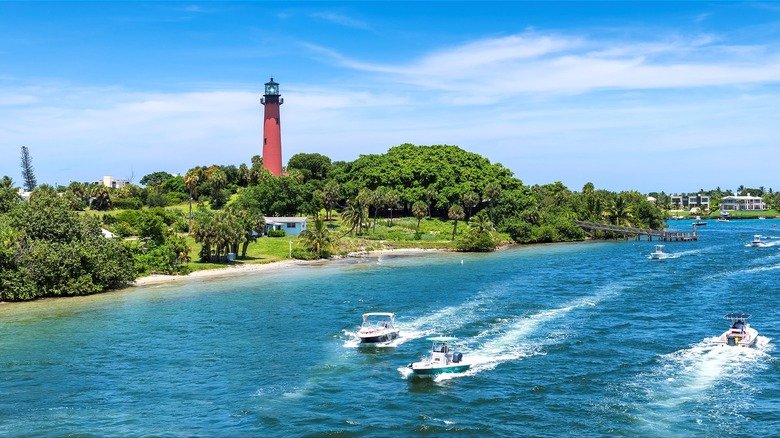
The vibrant ecosystems of Jupiter, Florida, are home to a remarkable diversity of bird species. From migratory warblers to coastal seabirds, this region offers unique habitats that support both common and rare avian life. As development and climate pressures grow, the need for bird conservation in Jupiter Florida has never been more urgent. Whether you’re a local resident, a seasonal visitor, or a passionate birdwatcher, there are many ways to make a meaningful impact on the future of these feathered inhabitants.
This guide explores practical steps for supporting avian habitats, joining local initiatives, and enjoying the rich birdlife of Jupiter. If you’re interested in learning about specific species or hotspots, you might also want to read about endangered birds in Jupiter FL for a deeper dive into local conservation priorities.
Why Local Bird Conservation Efforts Matter
Jupiter’s location along the Atlantic Flyway makes it a critical stopover for migratory birds, as well as a year-round haven for resident species. The region’s wetlands, coastal dunes, and forested areas provide essential breeding and feeding grounds. However, these habitats face threats from urban expansion, pollution, and invasive species.
By participating in bird conservation initiatives in Jupiter Florida, you help protect not just individual species, but entire ecosystems. These efforts also benefit other wildlife and contribute to the health of the broader environment, including water quality and native plant communities.
Getting Started: Birdwatching and Citizen Science
One of the most accessible ways to support avian protection is through birdwatching and citizen science. Observing birds in their natural habitats not only deepens your appreciation for local wildlife, but also provides valuable data for researchers and conservation organizations.

To get started, consider joining local bird counts or submitting your sightings to platforms like eBird. These records help scientists track migration patterns, population changes, and the health of various species. For those eager to spot unique birds, check out the rare bird sightings Jupiter Florida resource for tips on when and where to look.
Top Bird Habitats and Watching Spots in Jupiter
The area boasts several prime locations for observing birds in their natural environments. Some of the most notable include:
- Jupiter Inlet Lighthouse Outstanding Natural Area: This protected site offers trails through coastal hammock and mangrove habitats, attracting a variety of songbirds, woodpeckers, and raptors.
- Riverbend Park: Known for its extensive wetlands and pine flatwoods, this park is a hotspot for wading birds, herons, and migratory warblers.
- Blowing Rocks Preserve: Managed by The Nature Conservancy, this coastal preserve supports shorebirds, ospreys, and even the occasional bald eagle.
- Juno Dunes Natural Area: A mix of scrub, hammock, and wetland habitats, ideal for spotting both resident and migratory species.
For a broader look at Florida’s best birdwatching destinations, visit this guide to top birdwatching locations in Florida.
Volunteer Opportunities and Local Organizations
Many local groups welcome volunteers to help with habitat restoration, educational programs, and wildlife monitoring. Getting involved with these organizations is a direct way to contribute to bird conservation in Jupiter Florida and connect with like-minded individuals.
- Audubon Everglades: Offers regular bird walks, educational events, and volunteer projects focused on habitat protection and community outreach.
- Loggerhead Marinelife Center: While primarily focused on sea turtles, this center also supports coastal ecosystem conservation, benefiting shorebirds and other wildlife.
- Friends of Jupiter Beach: Organizes beach cleanups and habitat restoration efforts that help maintain healthy environments for seabirds.
Many of these organizations provide training for volunteers, making it easy for newcomers to get started. If you’re interested in more specialized birding experiences, consider exploring the sea birds in Jupiter Florida guide for coastal birdwatching tips.
Protecting Bird Habitats at Home
You don’t need to join an organization to make a difference. Simple actions at home can have a significant impact on local bird populations:
- Plant native vegetation: Native plants provide food and shelter for birds, supporting their needs throughout the year.
- Reduce pesticide use: Chemicals can harm birds directly or indirectly by reducing insect populations, a key food source for many species.
- Keep cats indoors: Domestic cats are a major threat to songbirds and other small wildlife.
- Install bird feeders and baths: These attract birds and provide essential resources, especially during migration or dry spells.
- Prevent window strikes: Use decals or screens to make windows more visible to birds and reduce fatal collisions.
By making your yard or balcony more bird-friendly, you contribute to the broader network of safe spaces that birds rely on as they move through the area.
Seasonal Bird Highlights and Migration
Jupiter’s location means that birdlife changes dramatically with the seasons. Spring and fall bring waves of migratory songbirds, including colorful warblers and tanagers. Winter is prime time for spotting waterfowl and raptors, while summer showcases nesting seabirds and waders.
For those interested in tracking the arrival and departure of specific species, the warblers in Jupiter FL resource offers insights into migration patterns and the best times for observation. Keeping a journal or sharing your sightings with local groups helps build a community of informed bird enthusiasts.
Connecting with the Birding Community
Beyond volunteering and habitat protection, connecting with other bird lovers can enrich your experience and amplify your impact. Join local bird walks, attend talks, or participate in online forums to share sightings and learn from others. Many groups organize regular outings to explore forest trails—if you’re interested in woodpecker species, the woodpeckers in Jupiter FL guide is a great resource for tips and trail recommendations.
Social media groups and local nature centers also provide platforms for sharing photos, asking questions, and staying updated on conservation news. Building these connections helps foster a culture of stewardship and ensures that efforts to protect birds remain strong and effective.
Frequently Asked Questions
What are the most threatened bird species in Jupiter?
Some of the most at-risk birds in the area include the Florida scrub-jay, least tern, and various migratory warblers. Habitat loss and environmental changes are the main threats. For a detailed list and where to see them, refer to the endangered birds in Jupiter FL guide.
How can I participate in local bird counts?
You can join organized counts through groups like Audubon Everglades or participate independently by submitting your observations to citizen science platforms such as eBird. These counts are usually scheduled during migration seasons and are open to all skill levels.
What should I bring for birdwatching in Jupiter?
Essentials include binoculars, a field guide, comfortable walking shoes, sun protection, and water. A notebook or smartphone for recording sightings is also helpful. Consider using a local field guide for accurate identification of Jupiter’s diverse birdlife.