

Creating a bird-friendly garden in Jupiter, Florida is a rewarding way to support local wildlife while enjoying the beauty and activity of native birds right outside your door. The region’s subtropical climate, proximity to coastal habitats, and rich biodiversity make it an ideal location for attracting a wide variety of species. By choosing the right plants and following a few practical strategies, you can transform your outdoor space into a haven for feathered visitors throughout the year.
Whether you’re a seasoned gardener or just starting out, this guide will walk you through the essentials of designing and maintaining a landscape that welcomes birds. We’ll cover plant selection, garden layout, water features, and other key elements that help create a thriving ecosystem. If you’re interested in learning more about the unique avian species in the area, you might also enjoy reading about endangered birds in Jupiter FL and their conservation hotspots.
Why Native Plants Are Essential for Bird Habitats
One of the most effective ways to attract birds is to incorporate native plants into your landscaping. These species have evolved alongside local wildlife and provide the food, shelter, and nesting materials birds need to thrive. In Jupiter, FL, native flora such as firebush, beautyberry, and saw palmetto offer nectar, berries, and seeds that appeal to a range of birds, from hummingbirds to cardinals.
Native plants are also adapted to the local soil and climate, requiring less water and maintenance than non-native alternatives. This not only benefits the environment but also reduces your workload as a gardener. By prioritizing indigenous species, you help maintain the delicate balance of the region’s ecosystem and support both resident and migratory birds.
Designing Bird-Friendly Gardens in Jupiter FL
When planning your landscape, consider the needs of different bird species. Layered plantings—combining groundcovers, shrubs, and trees—create a variety of habitats and foraging opportunities. Dense thickets provide shelter and nesting sites, while open areas allow birds to spot predators and feed safely.
Incorporate a mix of flowering plants, fruiting shrubs, and seed-producing grasses to ensure a steady supply of food throughout the seasons. For example, coral honeysuckle attracts hummingbirds with its tubular flowers, while wax myrtle and elderberry offer berries for thrushes and mockingbirds. Oak and pine trees are valuable for woodpeckers and warblers, providing both food and nesting cavities.
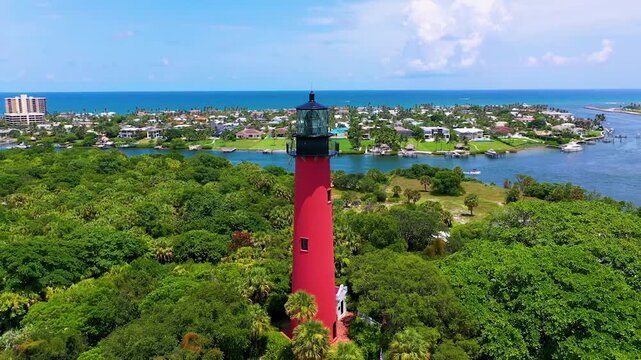
Providing Water and Shelter for Local Birds
Water is a critical resource for birds, especially during the hot Florida summers. Installing a birdbath, small pond, or shallow fountain can make your garden a popular stopover for both drinking and bathing. Be sure to keep water sources clean and refill them regularly to prevent the spread of disease and attract a steady stream of visitors.
Shelter is equally important. Dense shrubs, brush piles, and even strategically placed logs offer protection from predators and harsh weather. Consider leaving some leaf litter and dead wood in your yard, as these provide habitat for insects that birds feed on. If you’re interested in learning more about woodpeckers and their preferred habitats, check out the guide to woodpeckers in Jupiter FL for additional tips.
Seasonal Planting Strategies for Bird-Friendly Gardens in Jupiter FL
To maximize your garden’s appeal year-round, plan for seasonal changes in food and shelter availability. In spring and summer, flowering plants such as firebush and wild coffee provide nectar and berries. In fall and winter, seed-bearing grasses and fruiting shrubs like beautyberry and yaupon holly sustain birds when other resources are scarce.
Many species migrate through Jupiter, making it important to offer a variety of plants that bloom and fruit at different times. This approach supports both resident birds and those passing through during migration. For more information on seasonal visitors, the article on warblers in Jupiter FL explores migration patterns and how to spot these colorful songbirds.

Attracting Specialty and Migratory Birds
Jupiter’s unique location along the Atlantic Flyway means your garden can attract a remarkable variety of migratory birds. Warblers, tanagers, and orioles are just a few of the species that pass through during spring and fall. Planting native trees and shrubs that offer berries and insects is key to supporting these travelers.
For those interested in coastal species, proximity to the shore provides opportunities to spot seabirds and waders. Learn more about local coastal birdwatching in the sea birds in Jupiter Florida guide, which covers the best spots and tips for observing these fascinating birds.
Maintaining a Safe and Sustainable Habitat
To keep your garden safe for birds, avoid using pesticides and herbicides, which can harm both birds and the insects they rely on for food. Opt for organic gardening practices, such as hand-pulling weeds and using natural mulch. Provide nesting boxes or leave snags (standing dead trees) when possible, as these offer additional nesting opportunities.
Regularly monitor your garden for invasive species and remove them promptly to prevent them from outcompeting native plants. By maintaining a healthy, balanced ecosystem, you’ll ensure your garden remains a welcoming sanctuary for birds year after year.
Resources for Birdwatchers and Gardeners
If you’re looking to expand your birdwatching skills, consider investing in a good pair of binoculars and a field guide tailored to Florida’s avian species. These tools will help you identify visitors and better understand their behaviors. For inspiration on where to observe birds beyond your backyard, check out this overview of top birdwatching locations in Florida.
Keep a journal of the species you see and the plants they prefer. Over time, you’ll develop a deeper appreciation for the interconnectedness of your garden and the wildlife it supports. If you’re lucky, you might even spot some rare bird sightings in Jupiter Florida during migration seasons.
Frequently Asked Questions
What are the best native plants for attracting birds in Jupiter, FL?
Some of the top choices include firebush, beautyberry, coral honeysuckle, wax myrtle, and saw palmetto. These plants provide nectar, berries, and shelter that appeal to a wide range of local and migratory birds.
How can I provide water for birds in my garden?
Install a shallow birdbath, small pond, or fountain. Make sure to keep the water clean and fresh, and place it in a safe, open area where birds can easily spot predators.
Are there any precautions I should take to keep birds safe in my yard?
Avoid using chemical pesticides and herbicides, keep cats indoors, and ensure that windows are bird-safe to prevent collisions. Providing dense shrubs and natural cover also helps protect birds from predators.