
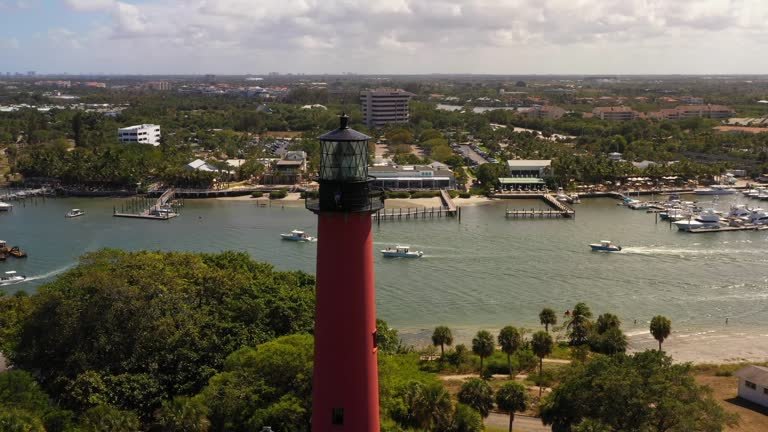
The coastal town of Jupiter, Florida, is a haven for bird enthusiasts and photographers alike. With its diverse habitats—ranging from lush wetlands to sandy beaches and maritime hammocks—this area offers exceptional opportunities to capture both resident and migratory birds in their natural environments. Whether you’re a seasoned photographer or just starting out, exploring bird photography Jupiter FL can be a rewarding experience, thanks to the region’s rich biodiversity and accessible birding spots.
In this guide, you’ll discover the most photogenic locations, practical tips for getting the best shots, and essential resources to help you make the most of your birding adventures. For those interested in learning about specific species, you might also enjoy reading about ibis sightings in Jupiter, which highlights one of the area’s most iconic birds.
Best Places for Bird Photography Around Jupiter
Jupiter’s unique geography places it at the crossroads of several important bird migration routes. As a result, the area boasts a variety of hotspots where photographers can reliably find both common and rare species. Below are some of the top locations to explore:
Jupiter Inlet Lighthouse Outstanding Natural Area
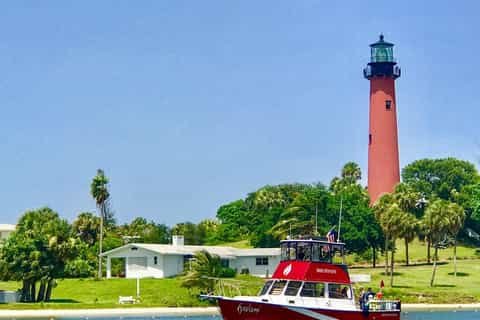
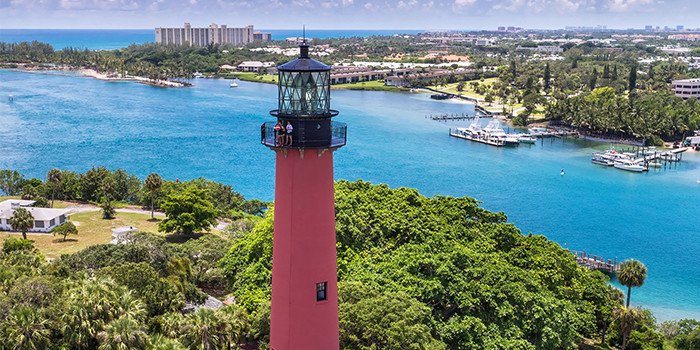
This federally protected site is not only famous for its historic lighthouse but also for its rich birdlife. The area features tidal lagoons, mangroves, and upland habitats that attract wading birds, raptors, and songbirds. Early mornings and late afternoons offer the best light and the most bird activity. For more details on what to expect, visit the official Florida Birding Trail page for Jupiter Inlet Lighthouse.
Riverbend Park and Loxahatchee River
Riverbend Park is a favorite among local photographers for its scenic trails and waterways. Here, you can spot herons, egrets, woodpeckers, and even the occasional limpkin. The adjacent Loxahatchee River provides additional opportunities for capturing birds in flight or perched along the banks.
Blowing Rocks Preserve
Managed by The Nature Conservancy, this coastal preserve is known for its dramatic limestone formations and native vegetation. Shorebirds, ospreys, and pelicans are commonly seen here, especially during migration seasons. The preserve’s boardwalks and observation platforms make it easy to set up your camera without disturbing wildlife.
Essential Tips for Bird Photography in Jupiter’s Natural Areas
Capturing stunning images of birds requires more than just a good camera. The following practical tips will help you make the most of your outings in Jupiter’s diverse habitats:
- Scout Locations in Advance: Visit your chosen spot at different times of day to observe lighting and bird activity. Many local photographers recommend arriving just after sunrise for the best opportunities.
- Use the Right Gear: A telephoto lens (300mm or longer) is ideal for photographing birds from a distance. Binoculars can help you spot subjects before setting up your shot. For those interested in field identification, a pocket guide is invaluable.
- Practice Patience and Stealth: Birds are easily startled. Move slowly, wear neutral colors, and avoid sudden movements. Take time to observe before shooting.
- Mind the Light: Soft, early morning or late afternoon light produces the most flattering images. Avoid harsh midday sun when possible.
- Respect Wildlife and Regulations: Stay on marked trails, maintain a respectful distance, and never disturb nests or feeding birds. Many sites in Jupiter have posted guidelines for wildlife protection.
Seasonal Highlights and Notable Species
The region’s birdlife changes with the seasons, making each visit unique. During spring and fall migrations, Jupiter becomes a stopover for warblers, tanagers, and other songbirds. Winter brings an influx of wading birds and waterfowl, while summer is prime time for observing nesting activity.
If you’re interested in learning more about the variety of birds found along the coast, check out this resource on birds of Jupiter Inlet. For those fascinated by large waders, the guide to herons and egrets in Jupiter FL offers additional insights into where and how to photograph these elegant species.
Planning Your Birding Adventure in Jupiter
Preparation is key to a successful photography outing. Here are a few more tips to help you get the most from your time in the field:
- Check the Weather: Overcast days can provide excellent diffused light, while breezy conditions may keep birds less active. Always pack water, sunscreen, and insect repellent.
- Join Local Birding Groups: Connecting with other enthusiasts can help you discover lesser-known spots and get real-time updates on rare sightings. Many local groups organize guided walks and photo outings.
- Keep a Log: Document your sightings and photo locations. This will help you track migration patterns and improve your chances of capturing unique moments on future visits.
For those interested in pelicans and other coastal birds, the article on pelicans in Jupiter FL provides additional location tips and photography advice.
Frequently Asked Questions
What is the best time of year for bird photography in Jupiter?
The most productive months are during spring and fall migrations, when a wide variety of species pass through the area. Winter is also excellent for wading birds and waterfowl, while summer offers opportunities to photograph nesting activity.
Do I need a permit to photograph birds in Jupiter’s parks?
Most public parks and preserves in Jupiter do not require a special permit for non-commercial photography. However, always check posted regulations at each site, especially if you plan to use tripods or other equipment that may block trails.
What camera settings are recommended for bird photography in this region?
Use a fast shutter speed (1/1000s or faster) to freeze motion, especially for birds in flight. Aperture settings of f/5.6–f/8 help achieve sharp focus while allowing enough light. Auto ISO can be useful in changing light conditions, but always review your images for proper exposure.