
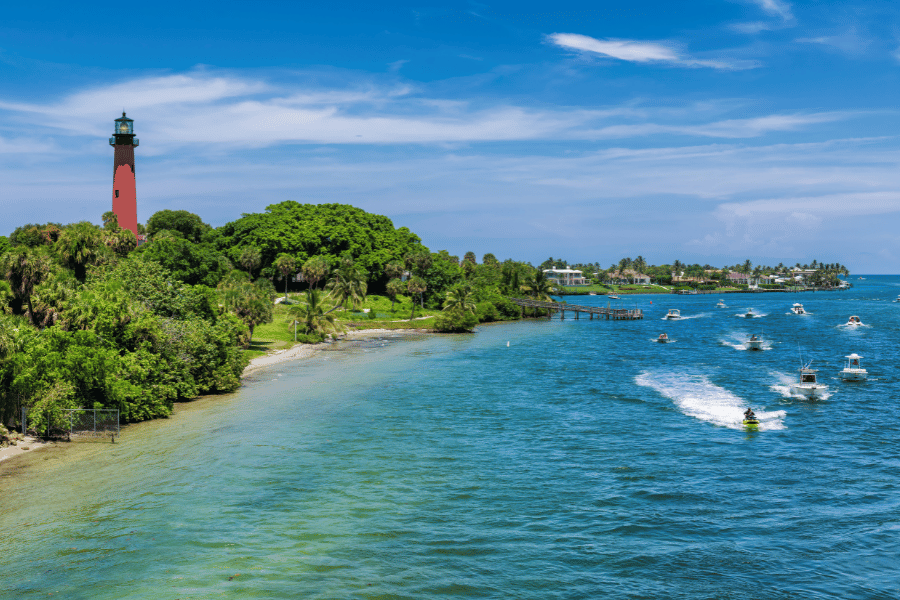
Jupiter, Florida, is a haven for bird enthusiasts, offering a rich diversity of native and migratory species. Capturing these moments with a camera can elevate your birdwatching experience, allowing you to document rare sightings and observe subtle behaviors. Whether you’re a seasoned birder or just starting out, having the right birdwatching camera setup in Jupiter can make all the difference. This article provides a comprehensive guide to assembling and optimizing your camera gear for birding in this unique coastal region.
Before diving into the technical details, it’s helpful to explore the local birdlife and habitats. For instance, if you’re interested in observing ibis, check out ibis sightings in Jupiter for location tips and seasonal trends. Understanding where and when to look will help you get the most out of your camera setup.
Choosing the Right Camera for Birding in Jupiter
When it comes to selecting a camera for birdwatching along Jupiter’s waterways and preserves, several factors come into play. The region’s bright sunlight and open spaces favor certain types of equipment. Here are key considerations:
- Sensor Size: Larger sensors (APS-C or full-frame) provide better image quality, especially in low light at dawn or dusk.
- Autofocus Speed: Birds move quickly, so a camera with fast and accurate autofocus is essential.
- Frame Rate: Look for cameras that can shoot at least 6-10 frames per second to capture birds in flight.
- Weather Sealing: Given Jupiter’s humid climate and sudden rain showers, weather-sealed bodies are a smart choice.
Popular options include mirrorless models like the Canon EOS R7, Sony Alpha a6400, or Nikon Z50. These offer a balance of speed, portability, and image quality, making them well-suited for fieldwork in Florida’s diverse habitats.
Essential Lenses for a Birdwatching Camera Setup in Jupiter
Lenses are just as important as the camera body. In Jupiter, you’ll encounter everything from distant wading birds to songbirds in shaded mangroves. A versatile lens kit can help you adapt to different situations:
- Telephoto Zoom (300mm–600mm): Ideal for photographing birds at a distance without disturbing them. A 100-400mm or 150-600mm lens is a favorite among local birders.
- Prime Lenses: For sharper images and better low-light performance, consider a 300mm or 400mm prime lens, though these are heavier and less flexible.
- Wide-Angle: Useful for capturing birds in their environment, especially at scenic spots like Jupiter Inlet.
Image stabilization is a valuable feature, especially when handholding longer lenses. If your lens or camera doesn’t have built-in stabilization, a sturdy tripod or monopod is recommended.

Accessories to Enhance Your Bird Photography Experience
Beyond the camera and lens, several accessories can make your birding outings in Jupiter more productive and enjoyable:
- Tripod or Monopod: Helps stabilize heavy lenses, especially for long sessions or when waiting for elusive species.
- Camera Backpack: Choose a weather-resistant bag with padded compartments for your gear and personal items.
- Extra Batteries and Memory Cards: Birdwatching can be unpredictable; always carry spares.
- Rain Cover: Sudden showers are common in South Florida. Protect your equipment with a dedicated rain sleeve.
- Field Guide: A local bird guidebook helps with quick identification and note-taking.
For more information on bird species you might encounter, the birds of Jupiter Inlet article covers both coastal and migratory varieties.
Best Locations for Bird Photography in Jupiter
Jupiter’s unique geography, with its blend of coastal dunes, wetlands, and maritime forests, provides excellent opportunities for bird photography. Some top spots include:
- Jupiter Inlet Lighthouse Outstanding Natural Area: Known for osprey, herons, and migratory songbirds.
- Riverbend Park: Offers a mix of open water, cypress swamps, and pine flatwoods—ideal for photographing woodpeckers, hawks, and wading birds.
- DuBois Park: Great for pelicans and shorebirds, especially during low tide.
- Jonathan Dickinson State Park: A short drive north, this park hosts a wide range of species year-round.
For those interested in specific groups, such as songbirds in Jupiter or herons and egrets Jupiter FL, local guides and online resources can help you plan your outings.

Tips for Getting the Most Out of Your Birdwatching Camera Setup in Jupiter
To maximize your chances of capturing stunning bird photos in Jupiter, keep these practical tips in mind:
- Scout Locations Early: Arrive at sunrise or late afternoon for the best light and most active birds.
- Use Silent Shutter Mode: Many birds are easily startled; a quiet camera helps you get closer without disturbance.
- Practice Patience: Sometimes the best shots come after a long wait. Find a comfortable spot, stay still, and let the birds come to you.
- Know Your Camera Settings: Learn to adjust ISO, aperture, and shutter speed quickly to adapt to changing light and fast-moving subjects.
- Respect Wildlife: Always keep a safe distance and avoid disturbing nesting or feeding birds.
For additional regional birding inspiration, you might enjoy reading about pelicans in Jupiter FL and their favorite viewing locations.
Local Resources and Community for Birdwatchers
Jupiter is home to a vibrant birding community, with local clubs and online forums where you can share sightings, ask for advice, and join group outings. If you’re looking to expand your knowledge of Florida’s native species, consider referencing a field guide or connecting with local experts. For more on where to see native birds in the area, visit this comprehensive guide to birdwatching in Tequesta.
Frequently Asked Questions
What is the best time of year for bird photography in Jupiter?
Winter and spring are peak seasons for birdwatching in Jupiter, as many migratory species pass through or overwinter in the area. However, local residents like herons, egrets, and pelicans can be seen year-round.
Do I need a permit to photograph birds in Jupiter’s parks?
Most public parks and preserves in Jupiter do not require a permit for personal photography. However, commercial shoots or use of drones may require special permission. Always check with the specific park before your visit.
Can I use a smartphone for bird photography?
While smartphones can capture nearby birds, a dedicated camera with a telephoto lens is recommended for photographing distant or small species. Smartphone adapters for spotting scopes can also help extend your reach.