
The area around Hobe Sound, Florida, is a haven for bird enthusiasts. With its blend of coastal preserves, wetlands, and lush forests, this region offers a rich variety of habitats that attract both resident and migratory species. Whether you’re a seasoned birder or just starting out, exploring the best spots for birdwatching Hobe Sound FL can be a rewarding experience. In this guide, you’ll find practical tips, top locations, and resources to make the most of your time outdoors.
If you’re interested in learning about rare or protected species in the region, you might also want to check out endangered birds in Jupiter FL for more insights on conservation hotspots nearby.
Top Birding Locations Near Hobe Sound
The region is dotted with excellent birding sites, each offering unique opportunities to spot a wide range of species. Here are some of the most popular destinations for observing birds in and around Hobe Sound.
Jonathan Dickinson State Park
Located just north of Hobe Sound, Jonathan Dickinson State Park is one of the largest and most diverse natural areas in the region. Its pine flatwoods, sandhills, and riverine habitats are home to woodpeckers, hawks, warblers, and wading birds. Early mornings are especially productive, with the chance to see species like the Red-shouldered Hawk, Pileated Woodpecker, and migratory songbirds during spring and fall.
Hobe Sound National Wildlife Refuge
This protected area is a magnet for birdwatchers seeking coastal and dune habitats. The refuge is well known for its populations of shorebirds, gulls, and terns, as well as the occasional sighting of raptors like Ospreys and Bald Eagles. The nature trails and observation platforms provide excellent vantage points for scanning the landscape.
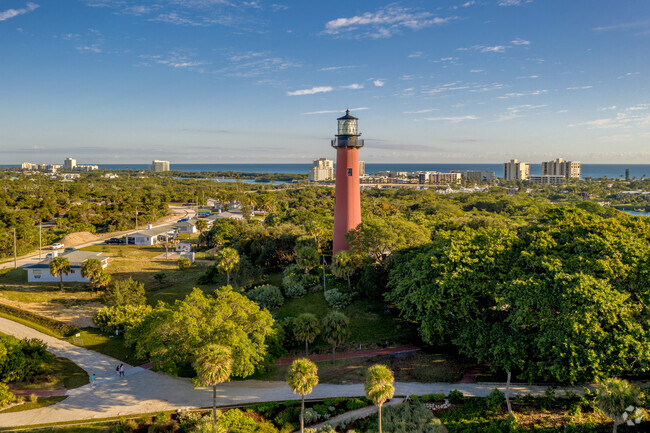
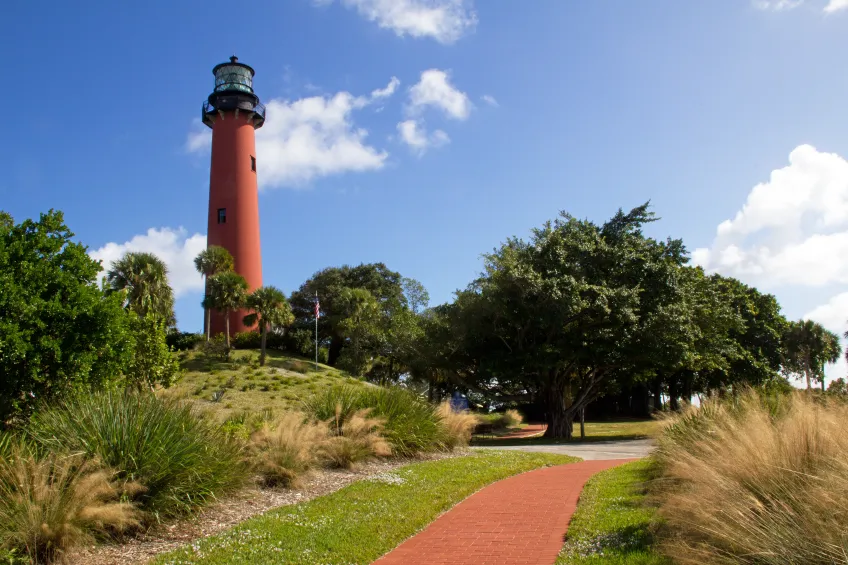
Jupiter Inlet Lighthouse Outstanding Natural Area
Just a short drive south, the Jupiter Inlet Lighthouse Outstanding Natural Area offers a mix of maritime hammock, mangrove, and estuarine environments. This site is part of the Great Florida Birding and Wildlife Trail, making it a must-visit for anyone serious about birdwatching in the Hobe Sound area. Look for Painted Buntings in winter, as well as a variety of herons, egrets, and even the occasional Roseate Spoonbill.

What Birds Can You Expect to See?
The diversity of habitats in the Hobe Sound region means you can spot a wide array of species throughout the year. Here are just a few highlights:
- Wading Birds: Great Blue Herons, Snowy Egrets, and White Ibises are common in marshes and along waterways.
- Raptors: Ospreys, Red-shouldered Hawks, and Bald Eagles can be seen soaring above open areas and near the coast.
- Songbirds: During migration, look for warblers, vireos, and buntings in wooded habitats. Painted Buntings are a winter specialty.
- Woodpeckers: The region’s forests are home to several species, including the Pileated and Red-bellied Woodpecker. For more details, see woodpeckers in Jupiter FL.
- Shorebirds: Plovers, sandpipers, and terns frequent the beaches and mudflats, especially during migration seasons.
Tips for a Successful Birding Trip in Hobe Sound
To make the most of your birdwatching adventure, consider these practical tips:
- Bring the Right Gear: Binoculars are essential for spotting distant birds. A field guide specific to Florida will help with identification.
- Dress Appropriately: Lightweight, neutral-colored clothing and a hat protect you from the sun and help you blend in with the environment.
- Start Early: Birds are most active at dawn and dusk, so plan your outings for these times.
- Respect Wildlife: Stay on marked trails and keep a safe distance from nesting areas and sensitive habitats.
- Record Your Sightings: Keeping a journal or using a birding app can help you track the species you encounter.
Seasonal Highlights for Birdwatchers
The best time for birdwatching Hobe Sound FL varies by season. Here’s what to expect throughout the year:
- Winter: Migratory songbirds like Painted Buntings and warblers arrive, joining resident species in the hammocks and scrub.
- Spring: Migration peaks, bringing a surge of warblers, tanagers, and other neotropical migrants.
- Summer: Wading birds and raptors are active, and you may spot nesting colonies along the coast and in wetlands.
- Fall: Another migration wave brings shorebirds and songbirds moving south for the winter.
For those interested in coastal species, the nearby shoreline is a great place to observe sea birds in Jupiter Florida, especially during migration periods.
Resources for Local Birders
If you’re looking to expand your knowledge or connect with other enthusiasts, consider joining a local birding group or participating in guided walks offered by parks and wildlife refuges. Many locations provide checklists and maps to help you plan your route. For those eager to spot unusual species, keep an eye on local birding forums and rare bird alerts. You can also read about rare bird sightings Jupiter Florida to stay updated on recent discoveries.
Frequently Asked Questions
What is the best time of year for birdwatching near Hobe Sound?
The most productive periods are during spring and fall migrations, when a wide variety of species pass through the area. Winter is also excellent for spotting migratory songbirds and waterfowl, while summer offers opportunities to observe nesting waders and raptors.
Are there guided bird walks available in the Hobe Sound area?
Yes, several parks and wildlife refuges offer guided birding walks and educational programs, especially during peak migration seasons. Check with Jonathan Dickinson State Park and the Hobe Sound National Wildlife Refuge for schedules and registration details.
What should I bring for a successful birding trip?
Essential items include binoculars, a Florida-specific field guide, water, sun protection, and a notebook or birding app for recording sightings. Comfortable walking shoes and insect repellent are also recommended.
Where can I learn more about warbler migration in this region?
For detailed information on seasonal warbler activity, visit warblers in Jupiter FL for migration timing and identification tips.