
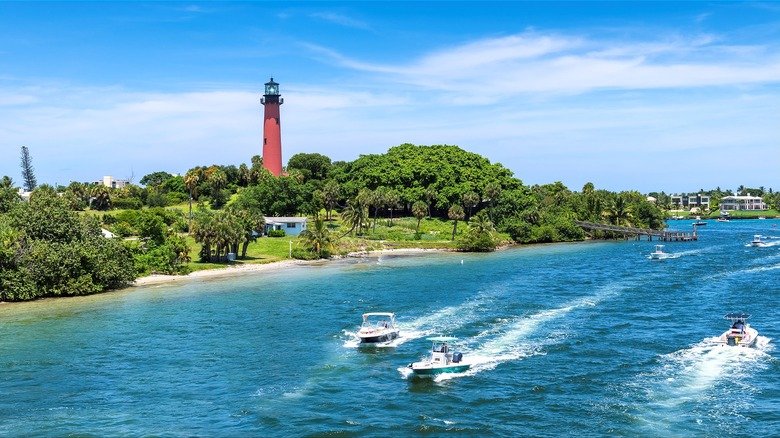
Jupiter, Florida, is a paradise for bird enthusiasts and photographers alike. With its unique blend of coastal habitats, wetlands, and lush parks, this area attracts a wide variety of bird species year-round. Whether you’re a seasoned wildlife photographer or just starting out, learning how to capture birds in their natural environment can be both rewarding and challenging. This guide shares practical birdwatching photography tips in Jupiter FL to help you make the most of your time behind the lens.
From choosing the right equipment to understanding local bird behavior, there are several factors that can elevate your bird photography. By exploring the best locations and applying proven techniques, you’ll be able to document the vibrant avian life that makes Jupiter such a special destination. For those interested in specific species, you may also want to read about ibis sightings in Jupiter for more targeted birdwatching opportunities.
Essential Gear for Bird Photography in Jupiter
Having the right gear is a critical first step for capturing sharp, detailed images of birds. In Jupiter, the diversity of habitats means you’ll encounter everything from shorebirds to songbirds, each requiring different approaches.
- Camera Body: A DSLR or mirrorless camera with fast autofocus and good low-light performance is ideal. Crop-sensor cameras can offer extra reach, which is helpful for distant subjects.
- Lenses: A telephoto lens (300mm or longer) is essential for photographing birds without disturbing them. Consider a zoom lens for flexibility or a prime lens for maximum sharpness.
- Tripod or Monopod: Stability is key, especially when using heavy lenses or shooting in low light. A lightweight tripod or monopod can make a big difference.
- Binoculars: Spotting birds before photographing them is easier with a good pair of binoculars. This allows you to observe behavior and plan your shots.
- Field Guide: A regional bird guide helps with quick identification and understanding of local species.
Best Locations for Avian Photography in the Area
Jupiter’s landscape offers a variety of birdwatching hotspots. Knowing where to go increases your chances of encountering interesting species and dynamic scenes.
- Jupiter Inlet Lighthouse Outstanding Natural Area: This protected site is home to wading birds, raptors, and migratory species. Early mornings here offer soft light and active birds.
- Riverbend Park: With its wetlands and wooded trails, Riverbend is excellent for photographing songbirds, woodpeckers, and herons. Patience pays off as you wait quietly along the trails.
- DuBois Park and Carlin Park: These coastal parks are great for spotting pelicans, gulls, and terns. The mix of open water and sandy beaches creates opportunities for action shots.
- Juno Dunes Natural Area: This area features scrub habitat and boardwalks, attracting warblers and other small birds, especially during migration seasons.
For more details on the region’s birdlife, check out the Jupiter birdwatching guide for updated sightings and seasonal highlights.

Techniques for Capturing Stunning Bird Images
Mastering a few key techniques will help you get crisp, compelling photos of local birds. Lighting, composition, and patience all play a role in successful bird photography.
Understanding Bird Behavior
Observing birds before photographing them is crucial. Take time to watch their routines, feeding patterns, and flight paths. This helps you anticipate action and position yourself for the best angle. For instance, herons and egrets often return to the same fishing spots, while songbirds may visit favorite perches repeatedly.
For more on local species and their habits, explore the guide to herons and egrets in Jupiter FL for additional insights.
Camera Settings for Birdwatching Photography in Jupiter FL
- Shutter Speed: Birds move quickly, so use a fast shutter speed (1/1000s or faster) to freeze motion, especially for birds in flight.
- Aperture: A wide aperture (f/4–f/6.3) helps blur the background, making your subject stand out. Adjust as needed for group shots or deeper focus.
- ISO: In low light, raise the ISO to maintain fast shutter speeds. Modern cameras handle higher ISO values with minimal noise.
- Continuous Autofocus: Set your camera to continuous AF mode to track moving birds and keep them sharp.
- Burst Mode: Use burst or continuous shooting mode to capture multiple frames in quick succession, increasing your chances of getting the perfect shot.
Composing Your Shots
Composition can turn a simple bird photo into a striking image. Follow the rule of thirds by placing the bird off-center, and leave space in the direction the bird is looking or flying. Pay attention to the background—clean, uncluttered backgrounds highlight your subject and reduce distractions.
Try shooting from a low angle for a more intimate perspective, especially with shorebirds or waders. Reflections on water, interesting perches, and natural framing elements like branches can add depth and interest to your photos.

Timing and Weather Considerations
The time of day and weather conditions can greatly influence your bird photography results. Early mornings and late afternoons provide soft, golden light that enhances colors and reduces harsh shadows. Birds are also most active during these periods, increasing your chances of observing interesting behaviors.
Overcast days can be excellent for photographing birds, as clouds diffuse sunlight and minimize contrast. Rainy or windy conditions may keep birds sheltered, but after storms, many species become more visible as they resume feeding.
Respecting Wildlife and Ethical Bird Photography
Always prioritize the well-being of birds and their habitats. Avoid disturbing nesting sites, keep a respectful distance, and use long lenses to minimize your impact. Stay on marked trails and follow local guidelines to help preserve Jupiter’s rich birdlife for future generations.
For those interested in coastal and migratory species, the birds of Jupiter Inlet guide offers more details on what to look for and where.
Additional Resources for Birdwatchers in Jupiter
Jupiter’s birding community is active and welcoming. Local parks often host guided walks and photography workshops. Online resources and field guides are invaluable for learning about seasonal visitors and rare species. If you’re fascinated by songbirds, the songbirds in Jupiter article provides tips on where to listen and observe these melodic residents.
Frequently Asked Questions
What is the best time of year for bird photography in Jupiter?
While birds are present year-round, spring and fall migrations bring a wider variety of species to the area. Winter is also excellent for spotting wading birds and raptors. Early mornings during these seasons offer the best light and most bird activity.
Do I need special permits to photograph birds in Jupiter’s parks?
Most public parks and natural areas in Jupiter do not require special permits for non-commercial photography. However, always check park regulations and respect any posted rules, especially in protected habitats.
How can I identify the birds I photograph?
Carrying a field guide or using a bird identification app can help you quickly recognize local species. Many guides are tailored to Florida’s unique birdlife, making identification easier. Joining local birdwatching groups or referencing online resources can also be helpful.
Are there any recommended spots for photographing pelicans in Jupiter?
Yes, coastal parks like DuBois Park and Jupiter Inlet are popular for observing and photographing pelicans. For more tips, see the dedicated guide on pelicans in Jupiter FL.
By applying these birdwatching photography tips in Jupiter FL, you’ll be well-equipped to capture the beauty and diversity of the region’s birdlife. With patience, the right gear, and an understanding of local habitats, your bird photography will flourish in this vibrant coastal community.