
Jupiter, Florida, is a haven for bird enthusiasts and photographers seeking to capture the region’s diverse avian life. With its unique blend of coastal habitats, wetlands, and lush preserves, this area attracts both migratory and resident species year-round. Whether you’re an experienced photographer or just starting out, joining birdwatching tours for photographers Jupiter offers a rewarding way to explore the outdoors and improve your wildlife photography skills.
Local guides know the best times and locations to spot rare and beautiful birds, from wading herons to vibrant songbirds. These excursions are designed to maximize your chances of capturing stunning images while respecting the natural environment. If you’re eager to discover where to find iconic species like ibises, herons, or pelicans, or want to learn more about the best practices for bird photography in Jupiter, this guide covers everything you need to know.
For those interested in specific species, check out our resource on ibis sightings in Jupiter to plan your next outing and increase your chances of photographing these elegant birds.
Why Choose Guided Bird Photography Tours in Jupiter?
Opting for a guided experience in Jupiter provides several advantages over exploring on your own. Local guides are familiar with seasonal bird movements, nesting areas, and the best lighting conditions for photography. They often have access to private lands or less-traveled spots that are ideal for capturing birds in their natural habitats.
- Expert Knowledge: Guides share tips on bird behavior, identification, and ethical photography practices.
- Safety and Comfort: Organized tours ensure you’re prepared for local conditions, from weather to terrain.
- Networking: Meet fellow photographers and birders, exchange techniques, and learn from each other.
- Maximized Photo Opportunities: Tours are scheduled to coincide with peak bird activity, such as early mornings or migration periods.
Top Spots for Birding and Photography Around Jupiter
The region is home to a variety of ecosystems, each attracting different bird species. Here are some of the most popular destinations for birdwatching tours for photographers Jupiter and what you can expect at each site:

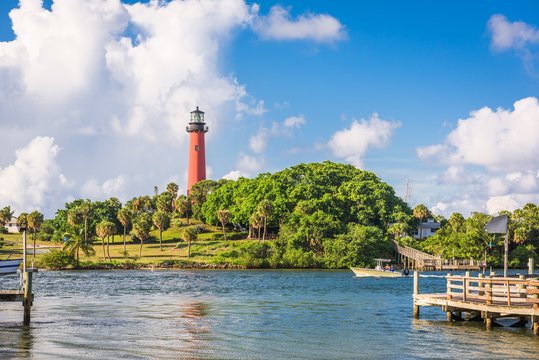
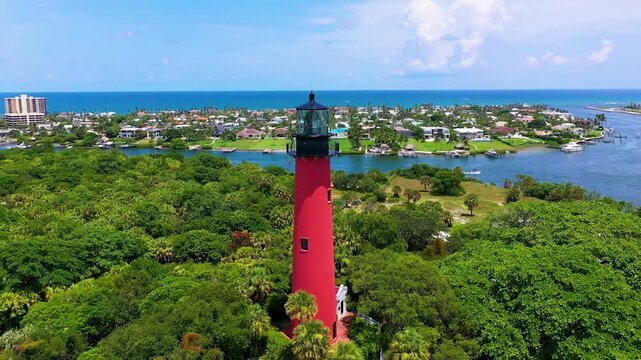
- Jupiter Inlet Lighthouse Outstanding Natural Area: This iconic site offers panoramic views and a mix of habitats, making it a hotspot for wading birds, raptors, and songbirds. For more details on the species you might encounter, see our article on birds of Jupiter Inlet.
- Riverbend Park: Known for its cypress swamps and open meadows, this park is excellent for spotting woodpeckers, warblers, and waterfowl. Early morning tours here often yield the best light and activity.
- Juno Dunes Natural Area: Coastal scrub and mangrove habitats attract shorebirds, herons, and egrets. Photographers can take advantage of elevated boardwalks for unique perspectives.
- Loxahatchee River: Paddle tours along the river provide access to secluded spots where you might photograph ospreys, kingfishers, and even the occasional bald eagle.
What to Expect on a Bird Photography Tour
Most tours are tailored for photographers and birders of all skill levels. Group sizes are typically small to minimize disturbance and allow for personalized guidance. Expect to spend several hours outdoors, often starting at sunrise or late afternoon for optimal lighting.
Guides will help you spot and identify birds, suggest camera settings, and offer advice on composition and fieldcraft. Some tours may provide spotting scopes or binoculars, but bringing your own gear is recommended for the best experience.
Essential Gear for Bird Photography in Jupiter
- Camera with Telephoto Lens: A lens of at least 300mm is ideal for capturing distant subjects.
- Binoculars: Useful for scanning tree lines and marshes before setting up your shot.
- Tripod or Monopod: Helps stabilize your camera for sharp images, especially in low light.
- Field Guide: A regional bird guidebook can help with quick identification in the field.
- Weather Protection: Lightweight rain gear and lens covers are useful in Florida’s unpredictable climate.
Best Times of Year for Birdwatching and Photography in Jupiter
The subtropical climate of Jupiter means birding is productive year-round, but certain seasons offer unique opportunities:
- Winter: Migratory waterfowl and shorebirds arrive, increasing diversity in wetlands and coastal areas.
- Spring: Songbird migration peaks, with warblers and tanagers passing through. This is an excellent time for colorful portraits.
- Summer: Resident species like herons, egrets, and ospreys are active and often nesting.
- Fall: Another wave of migrants, including raptors and waders, makes this a productive season for tours.
For more on where to observe specific groups, see our guides to songbirds in Jupiter and herons and egrets Jupiter FL.
Tips for Ethical and Successful Bird Photography
Respect for wildlife and habitats is essential. Here are some best practices to follow on any birdwatching tours for photographers Jupiter:
- Keep a Safe Distance: Use long lenses to avoid disturbing birds, especially during nesting season.
- Minimize Noise: Move slowly and quietly to avoid startling your subjects.
- Stay on Trails: Protect sensitive habitats by sticking to designated paths and boardwalks.
- Avoid Flash: Natural light is best for birds and their environment.
- Learn Bird Behavior: Understanding patterns helps anticipate action and capture compelling shots.
Planning Your Jupiter Birding Adventure
Booking a spot on a local tour is straightforward. Many operators offer half-day or full-day excursions, with some specializing in photography-focused outings. When choosing a tour, consider your target species, preferred habitats, and the level of guidance you want.
For a comprehensive list of reputable companies and current offerings, check out birdwatching tour providers in Jupiter. Reading reviews and comparing itineraries can help you find the right fit for your interests and skill level.
Don’t forget to pack essentials like water, sunscreen, insect repellent, and extra memory cards. Florida’s weather can change quickly, so lightweight layers and waterproof bags are also recommended.
Other Notable Birds and Where to Spot Them
Jupiter’s rich birdlife extends beyond the usual suspects. For example, pelicans are a favorite subject for many photographers. To find the best viewing locations and get tips on photographing these charismatic birds, visit our guide on pelicans in Jupiter FL.
Each season brings new photographic opportunities, so returning to the same locations throughout the year can yield a diverse portfolio. Keep a log of your sightings and images to track your progress and spot patterns in bird activity.
Frequently Asked Questions
What camera equipment is best for bird photography in Jupiter?
A DSLR or mirrorless camera with a telephoto lens (300mm or longer) is ideal for capturing birds at a distance. A sturdy tripod or monopod helps with stability, especially in low light. Binoculars and a field guide are also useful for identifying and locating birds before photographing them.
Are there beginner-friendly birdwatching tours in Jupiter?
Yes, many local guides offer tours suitable for beginners. These outings focus on basic bird identification, photography tips, and ethical practices. Small group sizes ensure personalized attention and a comfortable learning environment.
When is the best time to join a bird photography tour?
Early mornings and late afternoons are generally best for bird activity and soft, natural light. Seasonally, winter and spring offer the highest diversity due to migration, but resident species provide excellent opportunities year-round.