
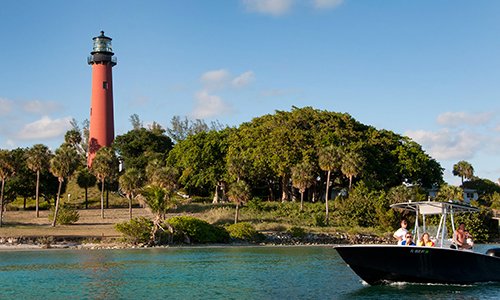
The Atlantic coast of Jupiter, Florida, is home to one of the region’s most captivating natural sanctuaries for avian enthusiasts. With its dramatic limestone shoreline, lush coastal habitats, and a symphony of bird calls, this preserve offers a unique experience for both seasoned birders and newcomers. Blowing Rocks Preserve birdwatching is more than a pastime—it’s an immersion in a thriving ecosystem where every visit brings new surprises.
Early mornings here are filled with the crisp scent of salt air and the gentle rustle of sea grape leaves. As the sun rises, golden light dances across the rocks and mangroves, revealing flashes of color from resident and migratory birds. Whether you’re hoping to spot a rare warbler or simply enjoy the meditative rhythm of the waves, this coastal haven delivers.
If you’re planning a trip to Jupiter, it’s worth exploring other local hotspots as well. For a change of scenery, consider a visit to Riverbend Park birdwatching, where cypress swamps and open fields attract a different array of species. Each site offers its own unique charm and birdlife, making the area a true paradise for nature lovers.
Why This Coastal Sanctuary Is a Birdwatcher’s Dream
What sets this preserve apart from other birding destinations in South Florida? It’s the rare combination of habitats: wind-sculpted dunes, dense maritime hammocks, and tidal lagoons. These diverse environments attract a dazzling variety of birds throughout the year. From the haunting cry of the osprey to the quicksilver flash of a painted bunting, every step along the trails brings the possibility of a new discovery.
The preserve’s namesake rocks—ancient limestone formations—create tide pools and sheltered coves, providing food and shelter for both birds and the creatures they prey upon. During migration seasons, the area becomes a vital rest stop for songbirds and shorebirds alike. Have you ever watched a flock of sanderlings skitter across wet sand, their reflections shimmering in the morning light? It’s a sight that lingers long after you’ve left.
Best Times and Seasons for Birdwatching at the Preserve
While you can spot birds here year-round, timing your visit can make all the difference. The birdwatching season in Jupiter FL peaks during spring and fall migrations, when warblers, tanagers, and orioles pass through in vibrant waves. Winter brings an influx of waterfowl and raptors, while summer showcases resident waders and nesting seabirds.
Early mornings are generally best, when the air is cool and the preserve is alive with activity. The quiet hush is broken only by the calls of red-shouldered hawks or the cheerful chatter of blue-gray gnatcatchers. If you’re hoping to avoid crowds and catch the golden hour light, aim to arrive just after sunrise.
Top Birds to Spot and Where to Find Them
The preserve is a patchwork of habitats, each hosting its own avian cast. Here are a few highlights you might encounter:
- Ospreys: Often seen perched atop dead trees or circling above the lagoon, these fish-eating raptors are a year-round spectacle.
- Magnificent Frigatebirds: In summer, look skyward for these aerial pirates gliding effortlessly on thermals.
- Painted Buntings: Spotting one feels like winning a little wildlife lottery. These jewel-toned songbirds frequent the dense brush near the trails in spring and fall.
- Reddish Egrets and Roseate Spoonbills: Wading in the tidal flats, their plumage catches the sunlight in a wash of pinks and russets.
- Shorebirds: Sanderlings, willets, and plovers dart along the surf, especially during migration.
For a broader look at the region’s birdlife, you might also enjoy reading about where to go birdwatching in Jupiter FL, which covers additional hotspots and seasonal tips.

Essential Tips for a Rewarding Visit
Ready to make the most of your birding adventure? Here are a few practical suggestions:
- Bring binoculars and a field guide: The preserve’s dense foliage and open shorelines mean birds can appear at any distance. A good pair of binoculars brings those flashes of color into sharp focus.
- Wear neutral clothing: Earth tones help you blend in, making it easier to approach shy species.
- Stay on marked trails: Not only does this protect sensitive habitats, but it also increases your chances of spotting birds, as many species frequent the edges of paths and clearings.
- Be patient and quiet: Sometimes, the best sightings come after a few minutes of stillness. Listen for rustling in the underbrush or the distant call of a kingfisher.
- Check the tides: Low tide exposes more feeding grounds for shorebirds, while high tide brings waders closer to the mangroves.
Curious about other local birding gems? Discover the unique species found at Jupiter Ridge Natural Area birds for a different perspective on the region’s avifauna.
Planning Your Trip: Facilities and Accessibility
The preserve is managed by The Nature Conservancy and is open to the public year-round. Parking is available on-site, and well-maintained boardwalks and trails make it accessible for most visitors. Restrooms and a small interpretive center provide added convenience.
For those interested in learning more about the preserve’s history and conservation efforts, the official Nature Conservancy page for Blowing Rocks Preserve offers detailed information, maps, and updates on seasonal events.

Nearby Birding Destinations to Explore
Want to expand your birdwatching itinerary? Jupiter is a treasure trove of natural areas. Besides the preserve, you’ll find the tranquil trails of Riverbend Park birdwatching and the unique habitats of Jupiter Ridge Natural Area birds. Each location offers its own seasonal highlights and signature species.
For a curated list of the best birdwatching spots Jupiter FL has to offer, check out our local guide. You might be surprised by the diversity waiting just a short drive from the coast.
Frequently Asked Questions
What is the best time of year to see migratory birds at the preserve?
Spring and fall migrations are prime times for spotting a wide variety of songbirds and shorebirds. During these months, the preserve serves as a crucial stopover for birds traveling along the Atlantic Flyway.
Are there guided birdwatching tours available?
Yes, the preserve occasionally offers guided walks led by local experts. Check with the visitor center or the official Nature Conservancy page for current schedules and registration details.
Can I bring my dog or other pets?
To protect sensitive wildlife and habitats, pets are not permitted on the trails. Service animals are allowed in accordance with ADA guidelines.
Is the preserve suitable for families and beginners?
Absolutely. The well-marked trails, educational signage, and accessible facilities make it a welcoming destination for all ages and experience levels. Children often delight in the chance to spot pelicans diving or herons stalking the shallows.
Whether you’re a dedicated birder or simply seeking a peaceful escape, the coastal trails and vibrant wildlife of this preserve promise an experience that lingers long after your visit. Let’s keep our binoculars at the ready—you never know what feathered marvel might appear around the next bend.