
Building or renovating a home near the coast brings unique opportunities—and unique challenges. Whether you’re dreaming of a beachside retreat or planning essential repairs, understanding the coastal building permits guide is crucial for a smooth, compliant project. Navigating the permitting process helps protect your investment, the environment, and your community.
Before diving into construction, it’s important to know that coastal areas are subject to stricter regulations than inland regions. These rules are designed to address environmental concerns, storm risks, and community safety. Homeowners who skip or misunderstand the permitting process may face costly delays, fines, or even forced demolition.
As you prepare for your project, consider how your plans may intersect with local rules, environmental protections, and community guidelines. If you’re also a pet owner, you might find value in learning how to dispose of dog waste properly at the beach—a small but important aspect of responsible coastal living.
Why Permits Matter in Coastal Construction
Obtaining the right permits isn’t just a bureaucratic step—it’s a safeguard for your property and the surrounding ecosystem. Coastal zones are often subject to erosion, flooding, and hurricanes. Permitting agencies review your plans to ensure your home is built to withstand these hazards and that construction won’t harm sensitive habitats.
Some of the key reasons permits are required in coastal regions include:
- Environmental protection: Safeguarding dunes, wetlands, and marine life.
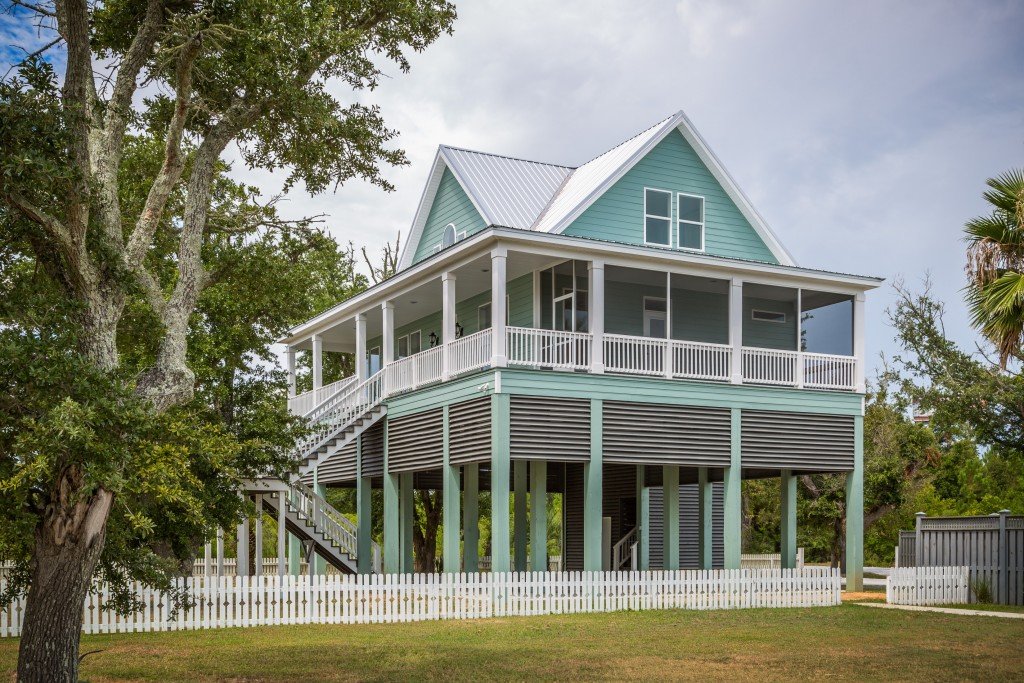
- Flood risk management: Ensuring homes are elevated and resilient.
- Community safety: Preventing overcrowding and unsafe structures.
- Compliance with state and federal laws: Meeting requirements from agencies like FEMA and local coastal commissions.
Types of Permits Needed for Coastal Projects
Depending on your location and the scope of your project, you may need several different permits. The most common types include:
- Building permits: Required for new construction, additions, or major renovations.
- Environmental permits: Needed if your project impacts wetlands, dunes, or protected species.
- Floodplain development permits: Mandatory if your property is in a designated flood zone.
- Seawall or dock permits: For shoreline stabilization or water access structures.
It’s wise to consult your local building department early in the planning process. Requirements can vary significantly between municipalities, and some areas may have additional layers of review from state or federal agencies.
Steps to Navigating the Coastal Building Permits Process
Understanding the coastal building permits guide process can help you avoid common pitfalls. Here’s a step-by-step overview:
- Research local regulations: Start with your city or county building department website. Look for coastal zone overlays, flood maps, and environmental restrictions.
- Consult professionals: Architects, engineers, and contractors with coastal experience can help interpret regulations and design compliant plans.
- Prepare your application: Gather site plans, construction drawings, surveys, and environmental assessments as required.
- Submit for review: Turn in your application and pay any required fees. Some projects may require public notice or hearings.
- Respond to feedback: Be prepared for questions or requests for revisions from permitting authorities.
- Obtain final approval: Once approved, display your permit as instructed and follow all conditions during construction.
- Schedule inspections: Most permits require inspections at various stages to ensure compliance.
For a deeper dive into best practices and common challenges, you might find this beginner’s guide to building safe coastal homes helpful.
Common Challenges and How to Overcome Them
Even with careful planning, coastal permitting can present obstacles. Here are some frequent issues and strategies to address them:
- Delays due to environmental reviews: Start early and provide thorough documentation to minimize back-and-forth.
- Changing regulations: Stay in touch with local officials and monitor updates to building codes or floodplain maps.
- Neighbor or community objections: Engage with neighbors and attend public meetings to address concerns proactively.
- Unexpected site conditions: Hire experienced surveyors and geotechnical experts to identify issues before construction begins.
Remember, patience and preparation are your best allies. Building in a coastal zone is more complex, but the rewards are worth the extra effort.
Tips for a Smooth Coastal Construction Experience
To make your project as seamless as possible, consider these practical tips:
- Work with local experts: Choose professionals who understand coastal permitting and have a track record in your area.
- Document everything: Keep copies of all applications, approvals, and correspondence with agencies.
- Plan for contingencies: Build extra time and budget into your project for unforeseen requirements or delays.
- Respect the environment: Incorporate sustainable practices and materials to minimize your impact.
- Stay informed: Regulations can change, especially after major storms or legislative updates.
Being proactive and detail-oriented will help you avoid headaches and keep your project on track.
Frequently Asked Questions
What happens if I build without the proper coastal permits?
Building without the required permits can result in fines, stop-work orders, or even forced demolition of unauthorized structures. Additionally, you may have trouble selling or insuring your property. Always secure the necessary approvals before starting work.
How long does the coastal permitting process usually take?
The timeline varies depending on your location, project complexity, and agency workload. Simple projects may be approved in a few weeks, while larger or environmentally sensitive projects can take several months. Starting early and submitting complete applications can help speed up the process.
Are there special requirements for rebuilding after a storm or hurricane?
Yes. Post-disaster rebuilding often involves stricter standards for elevation, wind resistance, and floodproofing. You may need to meet updated codes and provide additional documentation. Check with your local building department for specific requirements after a storm event.
For those interested in enjoying coastal living with pets, you might also want to explore the Jupiter dog beach visitor guide for tourists for tips on making the most of your time by the shore.
Understanding and following the coastal building permits guide is essential for a successful, compliant, and resilient home project. With the right preparation and expert support, you can build your dream home while protecting the coast for generations to come.