
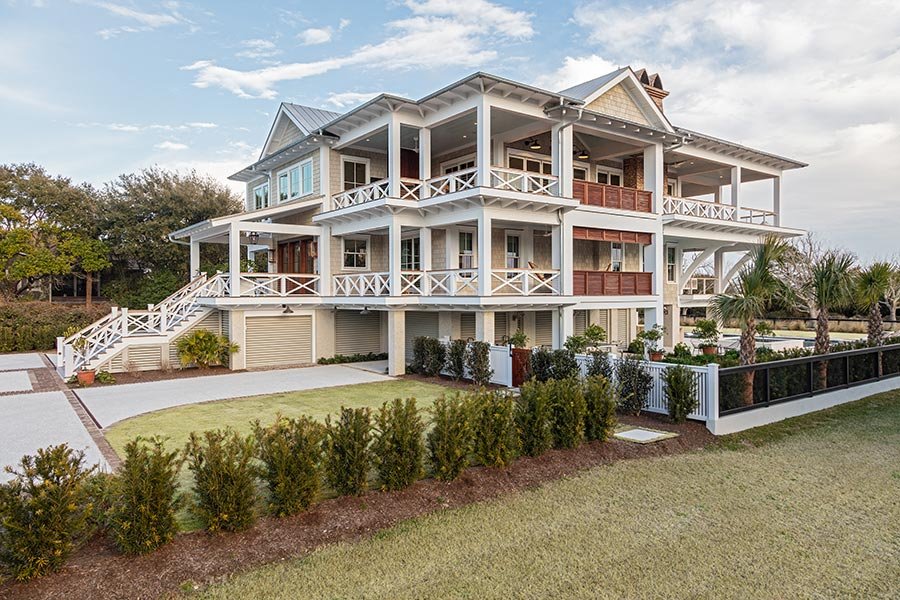
Building near the ocean presents unique challenges that require careful planning and execution. The combination of salty air, strong winds, and the threat of hurricanes or flooding means that homes and structures in these areas must be designed and built with resilience in mind. Understanding coastal construction best practices is essential for anyone looking to ensure their property stands the test of time in a demanding environment.
From selecting the right materials to implementing smart design strategies, every decision can impact the long-term durability of a coastal property. This article explores proven approaches for maximizing structural integrity, minimizing maintenance, and protecting your investment from the harsh realities of seaside living. For those interested in supporting local wildlife while developing coastal land, consider learning about how to help local birds Jupiter FL to create a more harmonious environment.
Understanding the Coastal Environment
Before breaking ground, it’s crucial to assess the specific environmental factors that influence construction near the shore. Coastal areas are subject to high humidity, salt spray, shifting sands, and frequent storms. These elements can accelerate corrosion, weaken building materials, and increase the risk of structural damage. By recognizing these risks early, builders and homeowners can make informed decisions that enhance longevity and safety.
Site selection also plays a vital role. Properties located on dunes, bluffs, or floodplains each present distinct challenges. Proper site analysis helps determine the best foundation type, drainage solutions, and landscaping approaches to mitigate erosion and water intrusion.
Material Selection for Longevity
Choosing the right materials is one of the most important coastal construction best practices. Not all building products are created equal when it comes to withstanding the relentless effects of salt and moisture. Here are some key considerations:
- Corrosion-resistant metals: Stainless steel, aluminum, and hot-dip galvanized fasteners are less likely to rust or degrade.
- Durable exterior finishes: Fiber cement siding, stucco, and specially treated wood resist rot and insect damage better than untreated materials.
- Impact-rated windows and doors: These protect against flying debris during storms and help maintain the building envelope.
- Moisture-resistant insulation: Closed-cell spray foam and rigid foam boards provide superior moisture protection compared to traditional fiberglass.

Design Strategies for Resilient Coastal Structures
Smart design is just as important as material selection. Incorporating features that address the realities of coastal living can dramatically improve a building’s durability and safety. Here are several strategies to consider:
- Elevated foundations: Raising the structure above base flood elevation reduces the risk of water damage during storm surges or heavy rainfall.
- Wind-resistant roof shapes: Hip roofs and other aerodynamic designs help deflect strong winds and reduce uplift forces.
- Continuous load paths: Ensuring that the roof, walls, and foundation are securely connected helps the building withstand high winds and seismic activity.
- Proper site drainage: Grading the land away from the structure and installing French drains or swales prevents water from pooling around the foundation.
- Ventilation and moisture control: Adequate airflow in crawl spaces and attics reduces the risk of mold and wood rot.
Maintenance and Inspection: Key to Long-Term Durability
Even the best-built coastal homes require ongoing care. Regular maintenance and timely inspections are vital for catching small issues before they become major problems. Some essential maintenance tasks include:
- Washing exterior surfaces to remove salt buildup and prevent corrosion.
- Checking and resealing windows, doors, and joints to keep out moisture.
- Inspecting roofs and gutters for signs of wear, especially after storms.
- Monitoring decks, railings, and exterior stairs for wood rot or loose fasteners.
- Servicing HVAC systems and dehumidifiers to manage indoor humidity levels.
Proactive maintenance not only extends the life of your property but also helps preserve its value and safety for years to come.
Environmental and Community Considerations
Sustainable building practices are increasingly important in coastal regions. Thoughtful landscaping with native plants can help stabilize soil, reduce erosion, and support local wildlife. For those interested in making a positive impact, resources like bird-friendly gardens Jupiter FL offer practical tips for creating habitats that benefit both people and nature.
Additionally, adhering to local building codes and environmental regulations ensures that your construction project aligns with community standards and protects sensitive coastal ecosystems. Consulting with professionals who specialize in shoreline development can help navigate these requirements and avoid costly mistakes.
Expert Insights and Additional Resources
Staying informed about the latest advancements in coastal building science is essential. Industry experts recommend ongoing education and consultation with architects, engineers, and contractors experienced in seaside construction. For an in-depth look at important factors to weigh when planning a build near the ocean, the article what to consider when building a coastal home provides valuable insights.
By leveraging expert knowledge and proven techniques, property owners can reduce risks and enjoy greater peace of mind.
Frequently Asked Questions
What are the most important materials for coastal building projects?
Materials that resist corrosion and moisture are essential. Stainless steel, aluminum, fiber cement siding, and impact-rated windows are all strong choices for withstanding the harsh seaside environment.
How can I protect my coastal home from hurricane damage?
Elevating the structure, using wind-resistant roof designs, installing impact-rated windows and doors, and ensuring a continuous load path throughout the building are effective ways to minimize storm-related damage.
Why is regular maintenance critical for homes near the ocean?
The combination of salt, humidity, and wind accelerates wear and tear. Routine inspections and timely repairs help prevent small issues from escalating, preserving both the safety and value of the property.
Can landscaping help with coastal erosion?
Yes, planting native vegetation and using strategic landscaping techniques can stabilize soil, reduce runoff, and protect against erosion, all while enhancing the natural beauty of the property.