
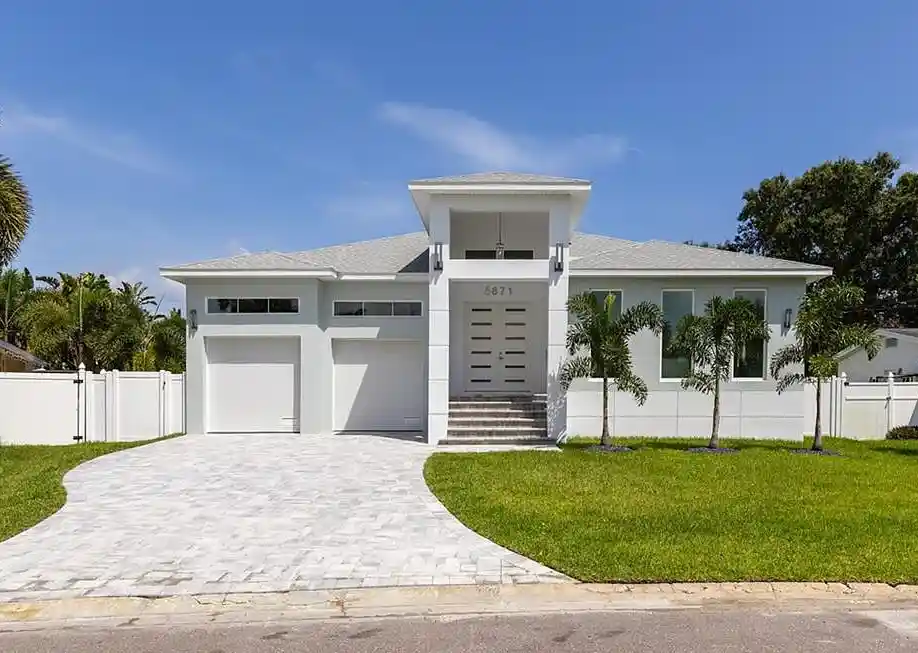
Building along the coast presents unique challenges that require careful planning and strict adherence to coastal construction building codes. These regulations are designed to protect structures from harsh weather, flooding, and erosion, ensuring the safety of residents and the longevity of properties. Whether you’re a homeowner, builder, or investor, understanding these requirements is essential for any project near the shoreline.
In addition to structural safety, these codes also address environmental concerns and community resilience. For those interested in coastal living, knowing what’s required can help avoid costly mistakes and ensure compliance from the start. If you’re planning a pet-friendly beach outing, you might also find value in resources like jupiter dog beach reviews for pet owners, which offer insights on local amenities and regulations.
Why Coastal Building Regulations Matter
Coastal zones are exposed to extreme weather events, including hurricanes, storm surges, and high winds. Coastal construction building codes are established to minimize risks and ensure that buildings can withstand these hazards. These rules often go beyond standard building requirements, focusing on:
- Flood resistance: Structures must be elevated above base flood elevation to reduce water damage.
- Wind load requirements: Materials and designs must resist high winds common in coastal storms.
- Erosion control: Foundations and landscaping must prevent shoreline erosion and protect the property.
- Environmental protection: Codes may restrict construction in sensitive habitats or require mitigation measures.
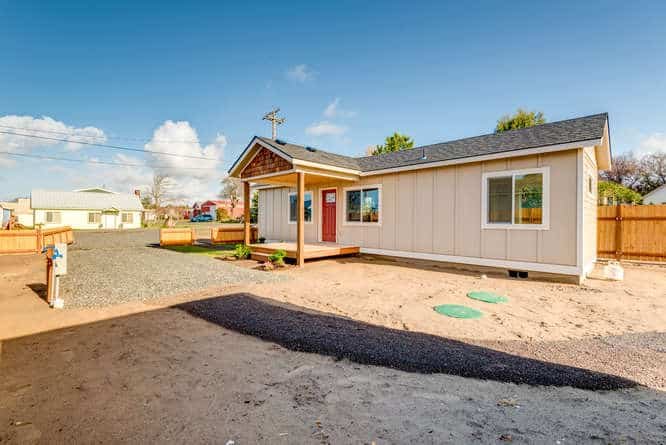
Key Elements of Shoreline Construction Standards
The specific requirements for building near the coast can vary by region, but several core elements are common across most jurisdictions. Understanding these helps ensure compliance and a smoother building process.
Floodplain Management and Elevation
One of the most critical aspects of coastal construction building codes is floodplain management. Properties must often be built on pilings or elevated slabs to keep living spaces above the expected flood level. This approach not only protects the structure but also helps lower insurance premiums under the National Flood Insurance Program.
Wind-Resistant Design and Materials
High winds can cause significant damage to coastal buildings. Codes require reinforced roofs, impact-resistant windows, and secure connections between structural elements. These measures help prevent roof uplift and wall collapse during storms.
Foundation and Erosion Control
Shoreline erosion is a constant threat. Building codes often specify deep foundations, such as driven piles or piers, to anchor structures securely. Landscaping and retaining walls may also be mandated to reduce soil loss and protect both the property and surrounding environment.
Regional Variations in Coastal Building Codes
While there are national guidelines, such as those from FEMA and the International Building Code (IBC), local governments often add their own requirements based on regional risks. For example, Florida’s codes are among the strictest in the U.S. due to frequent hurricanes, while Pacific Northwest standards focus more on seismic and tsunami risks.
Before starting any project, it’s essential to consult with local building departments and review the specific codes for your area. This ensures that your plans meet all necessary standards and avoids costly delays or redesigns.

Compliance and Permitting for Coastal Projects
Navigating the permitting process is a crucial step in any coastal build. Most areas require detailed site plans, engineering reports, and environmental assessments before issuing permits. Inspectors will verify that all aspects of the project align with coastal construction building codes and local ordinances.
It’s also important to consider overlapping regulations, such as those from the Army Corps of Engineers or state environmental agencies. Working with experienced architects and contractors familiar with coastal requirements can streamline the process and help avoid common pitfalls.
Best Practices for Building Near the Shore
Following best practices not only ensures compliance but also increases the durability and value of your coastal property. Here are some recommendations:
- Work with professionals who specialize in coastal design and construction.
- Choose materials rated for salt air and moisture resistance.
- Incorporate features like storm shutters and elevated utilities.
- Plan for regular maintenance to address corrosion and wear.
- Stay updated on code changes and new technologies for resilience.
For a deeper dive into planning and executing a successful shoreline project, consider reviewing this comprehensive guide to building your coastal dream home. It covers everything from site selection to finishing touches, with a focus on code compliance and long-term sustainability.
Environmental and Community Considerations
Beyond structural safety, coastal construction building codes often address environmental stewardship and community impact. Builders may be required to preserve dunes, wetlands, or wildlife habitats. Some areas also encourage or mandate the use of green infrastructure, such as permeable pavements and native plantings, to reduce runoff and support local ecosystems.
Community input can also shape local codes, especially in areas where tourism and recreation are important. For example, pet-friendly beaches and public access points may influence how new developments are planned. If you’re interested in learning more about safe beach activities, check out jupiter beach dog jumping in waves safety for tips on enjoying the shoreline responsibly.
Frequently Asked Questions
What are the main differences between coastal and inland building codes?
Coastal regulations are generally more stringent due to the increased risks of flooding, high winds, and erosion. They often require elevated structures, wind-resistant materials, and additional environmental protections not typically found in inland codes.
How can I find out which codes apply to my coastal property?
Start by contacting your local building department or planning office. They can provide the latest requirements and direct you to relevant state and federal guidelines. Consulting with local architects or builders experienced in shoreline projects is also highly recommended.
Are there incentives for building to higher standards than the minimum code?
Yes, some areas offer incentives such as reduced insurance premiums, tax breaks, or expedited permitting for projects that exceed minimum safety and environmental standards. These benefits can make it worthwhile to invest in more resilient and sustainable construction.
Staying informed and proactive about coastal construction building codes is the best way to protect your investment and contribute to the safety and sustainability of shoreline communities.