
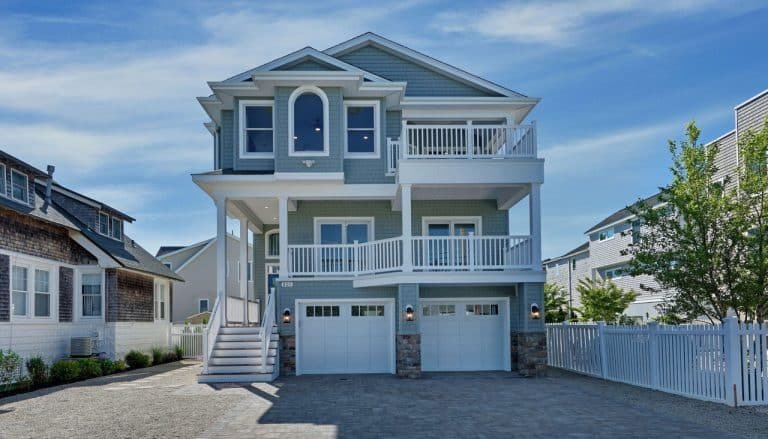
Building or owning a home near the shoreline comes with unique challenges, especially when it comes to protecting property from storms and flooding. One critical feature in modern coastal construction is the use of coastal home breakaway walls. These specialized walls are designed to safeguard both the structure and its occupants by minimizing damage during severe weather events. Understanding how these walls work, their benefits, and the requirements for installation can help homeowners and builders make informed decisions for safer, more resilient coastal living.
For those who enjoy the beach lifestyle with pets, it’s also important to consider local guidelines, such as those found in the jupiter dog beach visitor guide for tourists, to ensure a safe and enjoyable experience for everyone.
What Are Breakaway Walls in Coastal Construction?
Breakaway walls are non-structural walls typically found on the lowest level of a home built in flood-prone coastal areas. Their main function is to provide enclosure for parking, storage, or access beneath the elevated living spaces. Unlike traditional walls, these are engineered to “break away” under the force of water from storm surges or flooding, allowing water to flow freely beneath the house while leaving the main structure intact.

These walls are not meant to support any part of the home above them. Instead, they are designed to detach without causing structural damage, reducing the risk of collapse or major repairs after a storm. This approach is a key part of modern coastal building codes and is essential for compliance with the National Flood Insurance Program (NFIP) and local regulations.
Why Are Breakaway Walls Essential for Coastal Homes?
Homes built near the ocean face constant threats from hurricanes, tropical storms, and rising tides. Breakaway wall systems play a vital role in protecting both property and lives by:
- Reducing Structural Damage: By allowing water to pass through, these walls prevent the buildup of hydrostatic pressure that can destroy foundations.
- Improving Flood Resilience: They help homes meet floodplain management requirements, making properties eligible for flood insurance and reducing premiums.
- Protecting Occupants: By minimizing the risk of collapse, breakaway walls enhance the safety of residents during severe weather events.
Incorporating coastal home breakaway walls is not just about meeting code; it’s about investing in long-term safety and peace of mind for homeowners.
How Do Breakaway Walls Work?
The engineering behind these walls is straightforward yet highly effective. Breakaway walls are attached to the building’s foundation and floor system with connections designed to fail under specific loads. When water from a storm surge or flood rises and exerts pressure, the wall panels break away, leaving the elevated structure supported by its pilings or columns.
Key aspects of their operation include:
- Non-Load Bearing: These walls do not support any weight from the home above.
- Designed Failure Points: Fasteners and connections are engineered to give way at predetermined forces, usually between 10 and 20 pounds per square foot.
- Material Choices: Common materials include wood framing with siding, lightweight concrete panels, or even vinyl, all chosen for their ability to break away safely.
This intentional design ensures that, in the event of flooding, the main structure remains stable and the risk of catastrophic failure is minimized.
Regulations and Building Codes for Breakaway Walls
Building codes for coastal areas are strict when it comes to flood protection. The Federal Emergency Management Agency (FEMA) and local authorities require that any enclosure below the Base Flood Elevation (BFE) in designated flood zones must use breakaway construction. This is especially true for homes in V-zones, which are subject to wave action.
Some of the main requirements include:
- Walls must be designed to break away without causing damage to the elevated portion of the building.
- Enclosed areas below the BFE can only be used for parking, storage, or building access.
- Utilities and mechanical equipment must be elevated above the BFE or protected from floodwaters.
Failure to comply with these regulations can result in loss of flood insurance eligibility and increased risk of property damage. For more details on building coastal properties, refer to this essential guide to constructing homes by the coast.
Design Considerations for Breakaway Wall Systems
When planning a new build or renovation, several factors should be considered to ensure effective breakaway wall performance:
- Material Selection: Choose materials that are lightweight and easy to replace, such as treated wood, vinyl, or fiber cement panels.
- Ventilation: Ensure proper airflow to prevent moisture buildup and mold growth in enclosed spaces.
- Access and Egress: Design doors and access points that comply with code and are easy to use in emergencies.
- Maintenance: Regularly inspect connections and fasteners for corrosion or wear, especially in saltwater environments.
Proper planning and routine upkeep are essential for maximizing the lifespan and effectiveness of these protective features.

Common Myths and Misconceptions
Despite their proven effectiveness, several misconceptions persist about breakaway wall systems in coastal homes:
- They Weaken the Home: In reality, these walls are designed to protect the main structure, not compromise it.
- They Are Expensive: While there is an upfront cost, the savings in potential damage and insurance premiums often outweigh the initial investment.
- All Walls Below BFE Must Break Away: Only non-load-bearing walls enclosing space below the flood elevation must be breakaway; structural supports remain intact.
Understanding the facts helps homeowners make informed decisions and avoid costly mistakes.
Benefits of Installing Breakaway Walls
Choosing to incorporate these systems into a coastal property offers several advantages:
- Enhanced Safety: Reduces the risk of catastrophic failure during floods or hurricanes.
- Insurance Savings: Compliance with regulations often leads to lower flood insurance premiums.
- Property Value: Homes with modern flood protection features are more attractive to buyers.
- Peace of Mind: Knowing your home is better protected brings confidence during storm season.
These benefits make breakaway wall systems a smart investment for anyone living near the water.
Frequently Asked Questions
Are breakaway walls required for all coastal homes?
Not every home near the coast needs these systems, but they are mandatory for new construction and substantial renovations in designated flood zones, especially in areas subject to wave action. Local building codes and FEMA guidelines determine the specific requirements for each property.
Can breakaway walls be used for living space?
No, the enclosed area beneath the elevated portion of a home that uses breakaway construction is limited to parking, storage, or access. Living space is not permitted below the Base Flood Elevation, as this would put occupants at risk during flooding events.
How often should breakaway walls be inspected or maintained?
It’s recommended to inspect these walls at least once a year, and after any major storm or flooding event. Look for signs of corrosion, rot, or damage to fasteners and connections, and replace any compromised components promptly to maintain effectiveness.
Conclusion
Integrating coastal home breakaway walls into shoreline properties is a critical step in modern flood protection. These specialized systems not only meet regulatory standards but also provide real-world benefits in terms of safety, insurance savings, and property value. By understanding their purpose, design, and maintenance needs, homeowners can ensure their coastal investment stands strong against the forces of nature. For those interested in responsible beach living, topics like how to dispose of dog waste properly at the beach are also worth exploring to maintain a safe and enjoyable environment for all.