
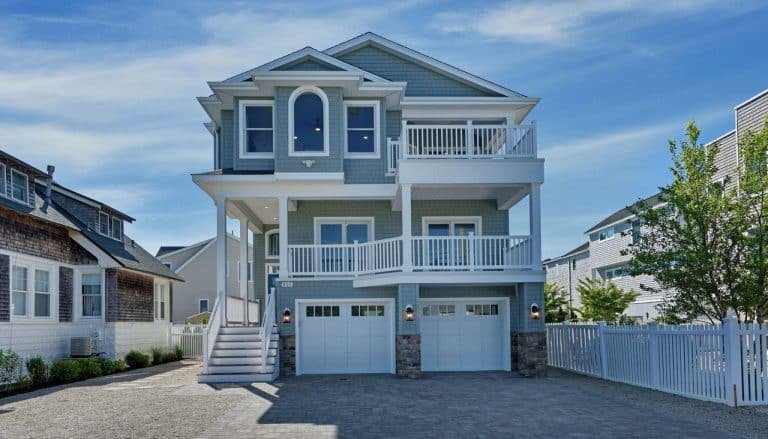
Building a home by the coast is a dream for many, but turning that vision into reality requires careful coastal home building budget planning. From unique site challenges to specialized materials, constructing a residence near the ocean involves costs and considerations that differ from inland projects. This guide provides practical steps and expert tips to help you manage your finances, avoid common pitfalls, and make informed decisions throughout your coastal build.
Before diving into the details, it’s important to understand that coastal construction is influenced by factors such as local regulations, environmental risks, and the need for durable, weather-resistant materials. By preparing a thorough budget and understanding the process, you can ensure your project stays on track and aligns with your long-term goals.
For those who plan to enjoy their new home with pets, it’s also worth considering local amenities and regulations. For example, if you’re building near a dog-friendly beach, you might find resources like the jupiter dog beach visitor guide for tourists helpful for planning your lifestyle and routines.
Understanding the Unique Costs of Coastal Construction
Budgeting for a seaside home involves more than just standard construction expenses. Coastal environments present unique challenges that can significantly impact your financial planning. Here are some of the primary cost drivers:
- Site Preparation and Land Costs: Coastal lots often require additional grading, erosion control, and sometimes even pilings or elevated foundations to address flood risks.
- Permitting and Compliance: Building codes in coastal zones are typically stricter, with requirements for hurricane resistance, flood mitigation, and environmental protection. These can increase both time and expenses.
- Specialized Materials: Salt air and high humidity demand corrosion-resistant materials such as stainless steel, treated wood, and impact-rated windows, which are generally more expensive than standard options.
- Insurance: Homeowners insurance, flood insurance, and windstorm coverage are all critical and can be costly in coastal regions.
Key Steps for Effective Coastal Home Building Budget Planning
To create a realistic and reliable budget, follow these essential steps:
- Define Your Priorities: Make a list of must-have features versus nice-to-have options. This will help you allocate funds where they matter most and avoid overspending on non-essentials.
- Research Local Costs: Labor and material prices can vary widely by region. Consult with local builders and suppliers to get accurate estimates for your area.
- Factor in Site-Specific Expenses: Account for soil testing, land clearing, and any necessary environmental studies. These are often required for coastal projects.
- Include Soft Costs: Don’t overlook design fees, permits, utility hookups, and contingency funds for unexpected issues.
- Plan for Long-Term Maintenance: Coastal homes require ongoing care to combat salt, wind, and moisture. Budget for regular upkeep and repairs.

Essential Elements to Include in Your Financial Plan
When developing a comprehensive budget for your coastal property, make sure to address the following categories:
| Budget Category | Typical Inclusions |
|---|---|
| Land Acquisition | Purchase price, closing costs, surveys |
| Site Preparation | Clearing, grading, pilings, erosion control |
| Construction | Foundation, framing, roofing, exterior, interior finishes |
| Specialty Materials | Impact windows, corrosion-resistant fixtures, marine-grade hardware |
| Permits & Fees | Building permits, environmental assessments, utility connections |
| Insurance | Homeowners, flood, windstorm |
| Contingency | Typically 10-20% of total budget for unforeseen costs |
Smart Strategies for Managing Coastal Construction Expenses
Keeping your project within budget requires proactive management and informed decision-making. Here are some proven strategies:
- Work with Experienced Professionals: Choose architects, builders, and contractors with a track record in coastal construction. Their expertise can help you avoid costly mistakes and ensure compliance with local regulations.
- Request Detailed Bids: Obtain itemized quotes from multiple contractors to compare costs and identify any discrepancies.
- Monitor Progress and Spending: Regularly review invoices and progress reports. Address any overruns or delays immediately to prevent budget creep.
- Prioritize Resilience: Investing in storm-resistant features and quality materials may increase upfront costs but can save money on repairs and insurance in the long run.
For additional insights on building by the sea, you may find the essential guide to building your dream coastal home a valuable resource for understanding best practices and common challenges.

Common Pitfalls in Coastal Home Budgeting and How to Avoid Them
Even with careful planning, some challenges are unique to coastal projects. Here are a few common mistakes and how to steer clear of them:
- Underestimating Site Challenges: Coastal lots may require unexpected engineering solutions. Always budget for soil tests and potential foundation upgrades.
- Ignoring Regulatory Requirements: Failing to account for permit fees, environmental impact studies, or compliance upgrades can derail your budget.
- Overlooking Maintenance Costs: The harsh coastal environment accelerates wear and tear. Include funds for regular painting, sealing, and equipment replacement.
- Neglecting Insurance: Premiums for coastal properties can be significant. Get quotes early and factor them into your long-term financial plan.
Planning for a Sustainable and Enjoyable Coastal Lifestyle
Beyond construction, consider how your new home will fit into your lifestyle and the local community. For pet owners, understanding beach rules and amenities can enhance your experience. If you plan to bring your dog to the beach, resources like the how to dispose of dog waste properly at the beach guide can help you stay compliant with local regulations and keep the environment clean.
Additionally, think about energy efficiency, water conservation, and landscaping with native plants to minimize maintenance and environmental impact. These choices can also help control long-term costs and support a healthy coastal ecosystem.
FAQs About Coastal Home Construction Budgets
What is the biggest factor affecting the cost of building a coastal home?
The largest cost drivers are typically site preparation and the need for specialized, weather-resistant materials. Coastal sites often require additional engineering, such as pilings or elevated foundations, to address flood and erosion risks. These requirements can significantly increase the overall budget compared to inland builds.
How much should I set aside for contingencies in my coastal home budget?
It’s wise to allocate at least 10-20% of your total construction budget for contingencies. Coastal projects are more likely to encounter unforeseen challenges, such as unexpected soil conditions or regulatory changes, so having a financial cushion is essential.
Are there ways to save money without compromising safety or durability?
Yes. Working with experienced coastal builders, choosing efficient designs, and investing in quality materials that require less maintenance can help control costs. Avoid cutting corners on structural elements or weatherproofing, as these are critical for long-term safety and value.
By following these guidelines and staying proactive throughout your coastal home building budget planning process, you can achieve a balance between your vision and your finances, ensuring your seaside retreat is both beautiful and built to last.