
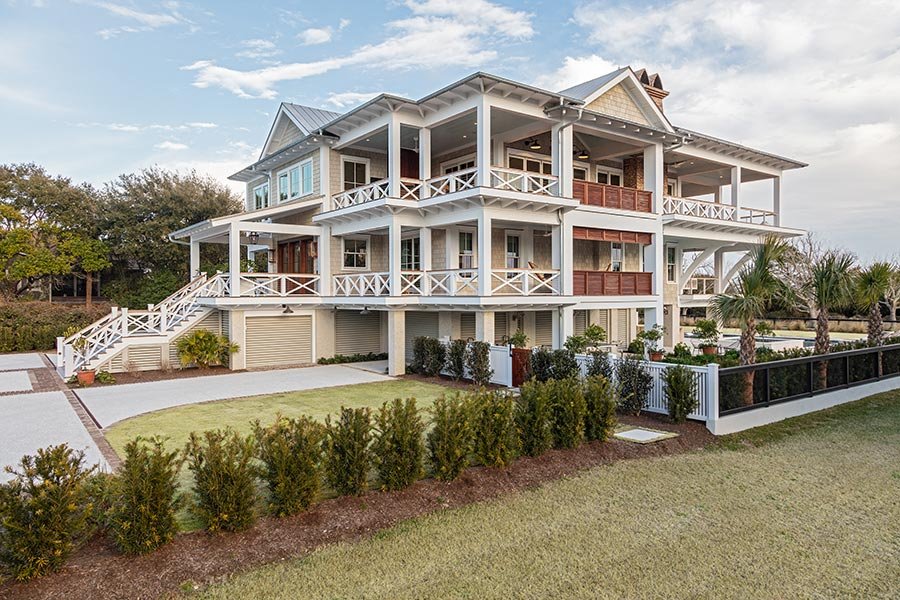
Building homes near the ocean presents a unique set of challenges and opportunities. From battling salt-laden winds to ensuring structural resilience against storms, coastal construction requires forward-thinking solutions. In recent years, coastal home building innovations have transformed how architects, builders, and homeowners approach seaside living. These advancements not only improve durability and sustainability but also enhance comfort and style for those lucky enough to call the coast home.
Whether you’re planning a new build or renovating an existing property, understanding the latest trends and technologies is essential. This article explores the most impactful developments in materials, design, and construction methods for shoreline residences. If you’re interested in making your beachside experience even more enjoyable, you might also want to learn about how to dispose of dog waste properly at the beach for a cleaner, more sustainable environment.
Smart Materials for Coastal Durability
One of the most significant breakthroughs in coastal home building innovations is the use of advanced materials designed to withstand harsh marine environments. Traditional wood and metal components often suffer from corrosion, rot, and warping due to constant exposure to saltwater and humidity. Today’s builders are turning to:
- Fiber cement siding: This material resists moisture, insects, and salt, making it ideal for exteriors.
- Stainless steel and marine-grade hardware: These options prevent rust and extend the lifespan of fixtures and fasteners.
- Composite decking: Made from recycled plastics and wood fibers, composite decking is low-maintenance and highly resistant to the elements.
- Impact-resistant glass: Modern windows can withstand high winds and flying debris, providing both safety and energy efficiency.
By integrating these materials, homeowners can reduce maintenance costs and enjoy peace of mind, even during storm season.

Innovative Design Strategies for Seaside Living
Modern coastal homes are more than just shelters—they’re thoughtfully designed to maximize views, airflow, and natural light while minimizing environmental impact. Some of the most effective design strategies include:
- Elevated foundations: Raising the structure on pilings or piers helps protect against flooding and storm surge.
- Open floor plans: These layouts encourage cross-ventilation, reducing reliance on air conditioning and keeping interiors cool.
- Overhangs and louvers: Extended eaves and adjustable shades shield windows from intense sun and rain, improving comfort and energy efficiency.
- Flexible indoor-outdoor spaces: Large sliding doors and covered patios blur the line between inside and outside, making the most of ocean breezes and scenic views.
These design choices not only enhance the living experience but also contribute to the long-term resilience of coastal properties.
Resilience and Sustainability in Modern Coastal Construction
With climate change increasing the frequency and intensity of coastal storms, resilience has become a top priority. Builders are adopting new methods and technologies to ensure homes can withstand extreme weather while minimizing their environmental footprint. Key approaches include:
- Hurricane ties and reinforced framing: These structural elements help homes resist strong winds and seismic activity.
- Green roofs and rainwater harvesting: Vegetated roofs absorb rainwater and provide insulation, while rainwater systems reduce runoff and supply irrigation.
- Solar panels and battery storage: Harnessing renewable energy reduces reliance on the grid and ensures power during outages.
- Low-impact landscaping: Native plants and permeable surfaces help manage erosion and protect local ecosystems.
For more details on what to consider when building by the sea, this comprehensive guide to coastal home considerations offers valuable insights.
Smart Technology and Automation for Coastal Homes
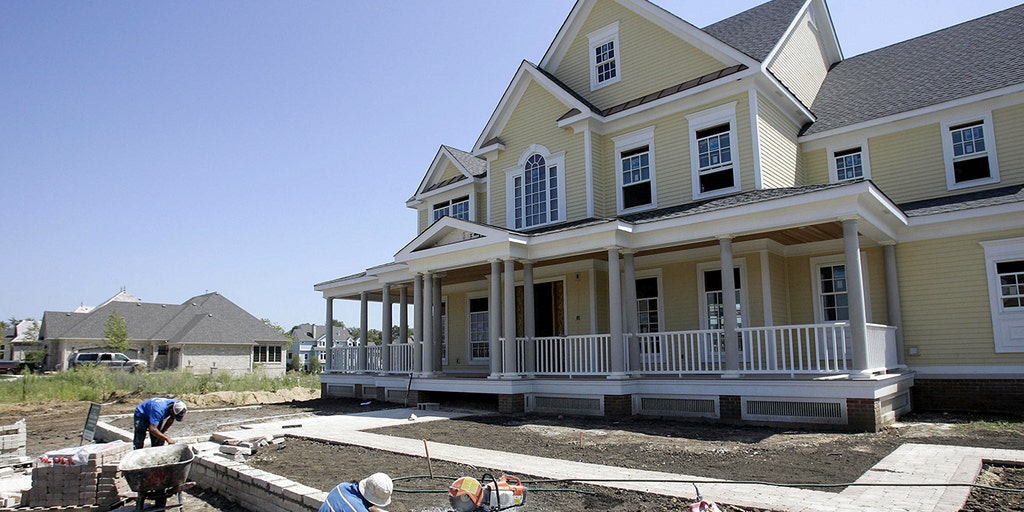
Technology is playing an increasingly important role in coastal residences. Home automation systems allow owners to monitor and control their properties remotely, which is especially useful for vacation homes or rentals. Some notable advancements include:
- Remote climate control: Smart thermostats and humidity sensors help maintain optimal indoor conditions, preventing mold and mildew.
- Automated storm shutters: These can be deployed at the touch of a button, providing instant protection when severe weather approaches.
- Leak detection and water management: Sensors alert homeowners to leaks or flooding, enabling quick action to prevent damage.
- Integrated security systems: Cameras, alarms, and smart locks offer peace of mind, even when you’re miles away.
By embracing these technologies, coastal homeowners can safeguard their investments and enjoy greater convenience year-round.
Energy Efficiency and Eco-Friendly Solutions
Reducing energy consumption is a major focus for today’s coastal construction projects. Innovations in insulation, glazing, and HVAC systems help keep homes comfortable without excessive energy use. Some effective strategies include:
- High-performance insulation: Spray foam and rigid panels provide superior thermal resistance, keeping interiors cool in summer and warm in winter.
- Low-emissivity (Low-E) windows: Special coatings reflect heat while allowing natural light, reducing the need for artificial lighting and air conditioning.
- Energy Star appliances: These use less electricity and water, lowering utility bills and environmental impact.
- Passive solar design: Orienting the home to capture sunlight in winter and shade in summer maximizes natural efficiency.
Eco-friendly building practices not only benefit the environment but also add long-term value to coastal properties.
Frequently Asked Questions
What are the most important materials for building near the ocean?
Durable, weather-resistant materials are essential for coastal construction. Fiber cement siding, marine-grade stainless steel, composite decking, and impact-resistant glass are all popular choices that offer longevity and protection against salt, moisture, and wind.
How can I make my coastal home more resilient to storms?
Elevated foundations, reinforced framing, hurricane ties, and impact-rated windows and doors are key features for storm resilience. Automated storm shutters and leak detection systems also provide additional protection.
Are there sustainable options for landscaping around coastal homes?
Yes, using native plants, permeable paving, and rainwater harvesting systems helps manage erosion, reduce runoff, and support local ecosystems. Low-impact landscaping is both environmentally friendly and effective for coastal environments.