
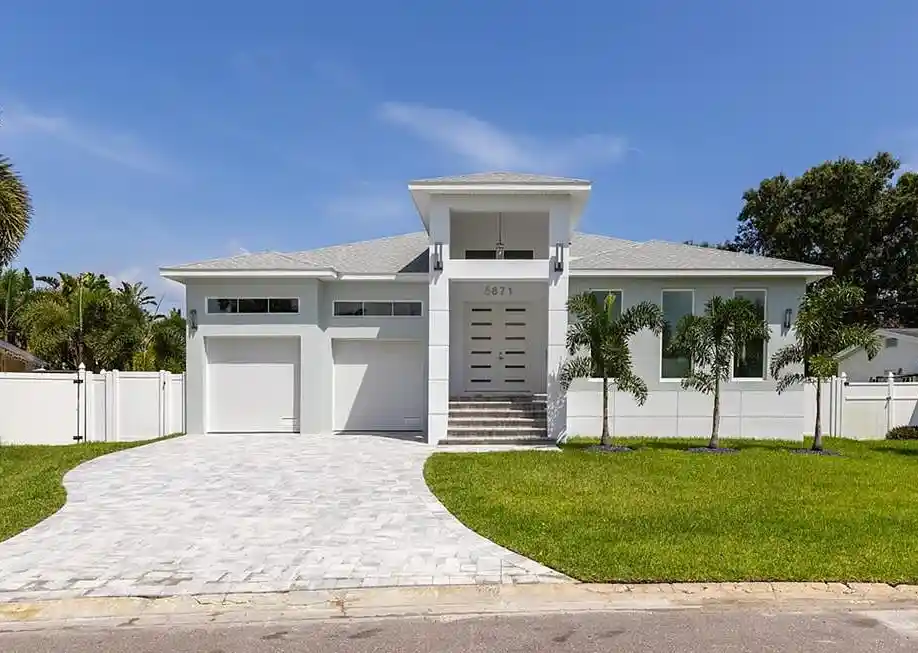
Building a home near the coast is a dream for many, but the journey from an empty lot to a finished residence involves unique steps and careful planning. The coastal home building process requires attention to environmental factors, local regulations, and design choices that stand up to the elements. Whether you’re seeking a vacation retreat or a year-round residence, understanding each stage can help you make informed decisions and avoid costly mistakes.
Early in your planning, it’s also important to consider the local ecosystem. For example, those interested in supporting wildlife can find practical advice in resources like how to help local birds Jupiter FL, which offers tips on creating bird-friendly spaces around your new home.
Initial Planning and Site Selection for Coastal Builds
The first step in any coastal home building process is choosing the right location. Coastal properties often come with breathtaking views, but they also face challenges such as erosion, flooding, and strict zoning laws. It’s essential to:
- Research local building codes and environmental regulations
- Assess flood zones and hurricane risk maps
- Consider proximity to amenities and community infrastructure
- Work with a real estate agent familiar with coastal properties
Once you’ve selected your site, a land surveyor will evaluate the property’s boundaries, elevation, and soil conditions. This information is crucial for designing a foundation that can withstand coastal weather and for ensuring compliance with local ordinances.
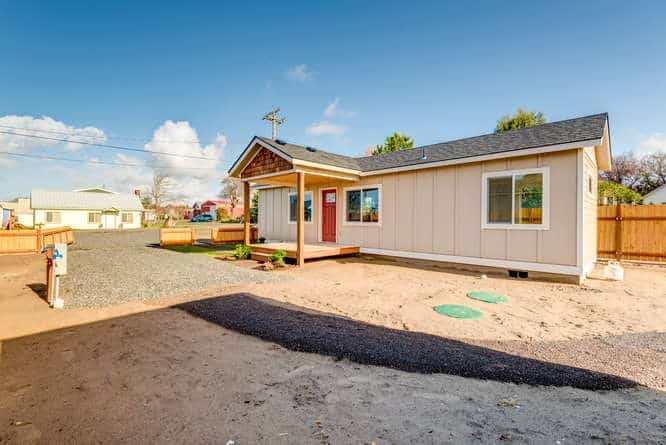
Designing for Durability and Coastal Living
Designing a home for the coast means balancing style with resilience. Architects and builders experienced in coastal construction will recommend features that protect your investment and enhance comfort:
- Elevated foundations to reduce flood risk
- Impact-resistant windows and doors
- Corrosion-resistant materials, such as stainless steel and fiber cement siding
- Roofing designed for high winds and salt air
- Thoughtful orientation to maximize views and natural ventilation
Energy efficiency is also a priority. Many coastal homes incorporate solar panels, high-performance insulation, and smart home technology to reduce utility costs and environmental impact.
Permitting and Regulatory Approvals
Securing the necessary permits is often more complex for coastal properties than for inland sites. You’ll need to work with local authorities to obtain:
- Building permits
- Environmental impact assessments
- Floodplain development approvals
- Coastal construction control line (CCCL) permits, if applicable
Many coastal regions have additional requirements to protect dunes, wetlands, and wildlife habitats. Engaging a builder or consultant who understands these processes can help avoid delays and ensure your project meets all legal obligations.
Breaking Ground: Site Preparation and Foundation Work
With approvals in hand, the next phase of the coastal home building process is site preparation. This includes clearing vegetation, grading the land, and installing erosion control measures. Foundation work is especially critical near the shore:
- Pilings or piers are often used to elevate the structure above flood levels
- Special drainage systems may be installed to manage stormwater
- Engineers will ensure the foundation is anchored securely to resist wind and water forces
Proper site preparation not only protects your home but also helps preserve the surrounding environment.

Framing, Utilities, and Weatherproofing
Once the foundation is set, framing begins. Coastal homes often use treated lumber or steel framing to resist moisture and pests. During this stage, contractors will also rough in plumbing, electrical, and HVAC systems. Key considerations include:
- Placing electrical systems above potential flood levels
- Using corrosion-resistant fixtures and fasteners
- Installing hurricane straps and tie-downs for added stability
Weatherproofing is a top priority. Builders apply house wraps, flashing, and sealants to keep out wind-driven rain and salt air. High-quality insulation and vapor barriers help maintain indoor comfort and prevent mold growth.
Finishing Touches: Interiors, Exteriors, and Landscaping
As the structure takes shape, attention turns to interior and exterior finishes. Coastal homes often feature open floor plans, large windows, and materials that are easy to clean and maintain. Popular choices include:
- Tile or luxury vinyl flooring for durability
- Quartz or granite countertops that resist moisture
- Outdoor living spaces like decks, patios, and screened porches
- Native landscaping that requires minimal irrigation and supports local wildlife
For more inspiration and detailed advice on designing your dream home by the sea, consider exploring this comprehensive guide to building your coastal dream home.
Final Inspections and Move-In
Before you can move in, your new residence must pass a series of inspections to ensure safety and code compliance. Inspectors will review structural elements, electrical and plumbing systems, and energy efficiency features. Once approved, you’ll receive a certificate of occupancy.
The last steps include final cleaning, landscaping, and setting up utilities. At this stage, you can personalize your space and enjoy the unique lifestyle that comes with living near the water.
Frequently Asked Questions
What are the biggest challenges when building a home near the coast?
The main challenges include exposure to harsh weather, such as hurricanes and salt air, strict permitting requirements, and the need for specialized materials and construction techniques. Proper planning and working with experienced professionals can help you overcome these obstacles.
How long does the coastal home building process usually take?
The timeline varies depending on location, design complexity, and permitting. On average, expect the process to take 12 to 18 months from site selection to move-in, with permitting and weather sometimes causing delays.
What features should I prioritize for durability in a coastal home?
Focus on elevated foundations, impact-resistant windows, corrosion-resistant materials, and robust roofing. Energy-efficient systems and proper weatherproofing will also extend the life of your home and reduce maintenance needs.