
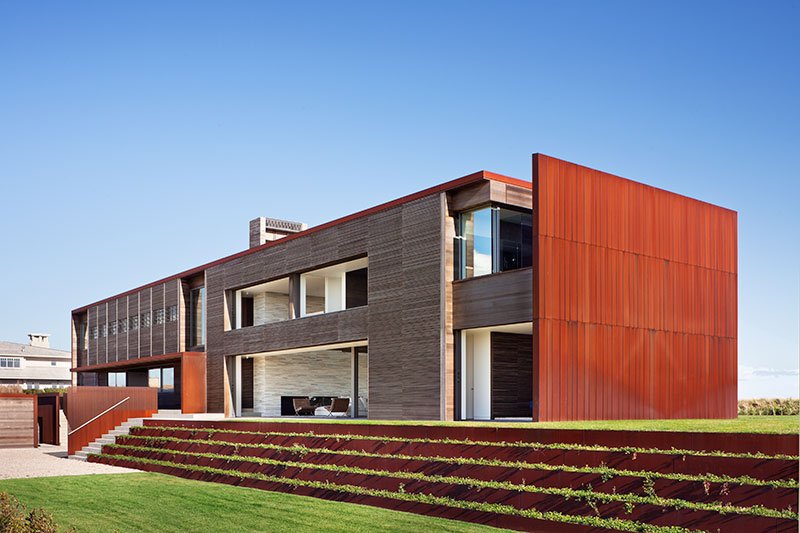
Building a home by the sea is a dream for many, but the process comes with unique challenges and requirements. From site selection to weatherproofing, every step demands careful planning and attention to detail. A thorough coastal home construction checklist helps ensure that your new property is both beautiful and resilient, able to withstand the demands of a marine environment while providing comfort and safety for years to come.
If you’re just starting out, it’s wise to learn how to choose coastal home builder options that understand the specific needs of shoreline construction. Partnering with experienced professionals can help you avoid costly mistakes and streamline the entire process.
Why a Coastal Construction Plan Matters
Coastal environments present unique risks, including high winds, salt spray, flooding, and erosion. A comprehensive plan, guided by a coastal home construction checklist, helps you address these challenges from the outset. It ensures compliance with local codes, maximizes your investment, and protects your family and property from the elements.
Key Steps in the Coastal Home Building Process
The journey from concept to completion involves several critical phases. Each stage requires careful consideration to ensure your home is safe, efficient, and suited to its environment.
1. Site Selection and Preparation
- Evaluate elevation, flood zones, and proximity to water.
- Check for erosion risks and soil stability.
- Review local zoning laws and environmental regulations.
- Plan for access, utilities, and drainage.

2. Foundation and Structural Considerations
- Choose elevated foundations (piers, pilings, or slabs) to reduce flood risk.
- Use corrosion-resistant materials for structural components.
- Design for wind resistance, including hurricane straps and reinforced connections.
- Ensure compliance with FEMA and local building codes.
3. Building Envelope and Weatherproofing
- Install impact-rated windows and doors for storm protection.
- Use weather-resistant siding, roofing, and fasteners.
- Seal all exterior penetrations to prevent water intrusion.
- Incorporate proper ventilation to reduce moisture buildup.
Essential Materials and Finishes for Coastal Homes
The right materials make a significant difference in the longevity and performance of a seaside residence. When following a coastal home construction checklist, prioritize products designed to withstand salt, humidity, and intense sunlight.
- Exterior finishes: Fiber cement, composite, or marine-grade wood for siding and trim.
- Roofing: Metal or high-quality asphalt shingles with proper underlayment.
- Hardware: Stainless steel or galvanized fasteners and fixtures to prevent rust.
- Paints and sealants: UV-resistant and waterproof formulations.

Protecting Your Investment With Smart Design
Thoughtful design choices can help minimize maintenance and maximize comfort. Consider the following strategies as part of your planning:
- Orient living spaces to capture sea breezes and natural light.
- Design decks and porches with durable, slip-resistant materials.
- Include storage for outdoor gear and storm shutters.
- Plan landscaping to manage runoff and reduce erosion.
For a detailed look at expenses, review the coastal home construction cost breakdown to help budget for every phase.
Regulatory Compliance and Insurance Considerations
Coastal properties are subject to strict regulations to protect both homeowners and the environment. Your checklist should include:
- Obtaining all necessary permits and approvals before construction begins.
- Ensuring plans meet FEMA, state, and local requirements.
- Securing flood and wind insurance appropriate to your risk level.
- Documenting all work for future reference and resale value.
Maintenance and Long-Term Care
Once your home is complete, ongoing care is essential. Regular maintenance protects your investment and ensures your home remains safe and comfortable. Key tasks include:
- Inspecting and cleaning gutters, downspouts, and drainage systems.
- Checking for signs of corrosion, rot, or pest damage.
- Repainting and resealing exterior surfaces as needed.
- Testing storm shutters and emergency systems before hurricane season.
For advice on repairs after severe weather, see the coastal home repair after flooding resource.
Additional Resources for Coastal Homeowners
If you’re new to building in a shoreline environment, you may benefit from consulting a beginner’s guide to sea-safe homes. These resources offer practical tips on construction, maintenance, and disaster preparedness.
Frequently Asked Questions
What are the most important features to include in a coastal home?
Key features include elevated foundations, impact-resistant windows and doors, corrosion-resistant materials, and effective drainage systems. Proper ventilation and weatherproofing are also essential to protect against salt, humidity, and storms.
How can I make my coastal property more resilient to hurricanes?
Use reinforced connections, hurricane straps, and impact-rated building materials. Install storm shutters, secure outdoor items, and ensure your roof and siding are rated for high winds. Regularly review and update your emergency preparedness plan.
Do I need special insurance for a home near the ocean?
Yes, most coastal homeowners require both flood and wind insurance in addition to standard property coverage. Requirements vary by location, so consult with your insurance provider to ensure you have adequate protection.
Where can I find more information about construction timelines?
For a detailed overview of what to expect during each phase, visit the coastal home construction timeline guide.