
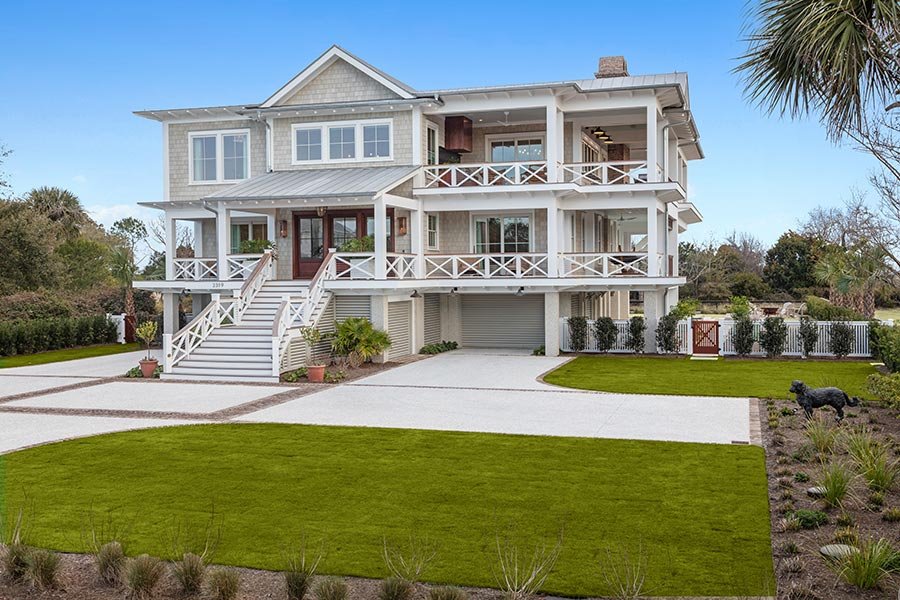
Building a home near the coast offers unique rewards—stunning views, fresh breezes, and a lifestyle close to nature. However, the process of constructing a house in these areas comes with its own set of financial considerations. Understanding the coastal home construction cost breakdown is essential for anyone planning to build or invest in a property by the shore. From specialized materials to regulatory requirements, each element impacts the final price tag.
In this article, we’ll examine the main factors that shape the expenses for building a coastal residence. Whether you’re budgeting for a new build or comparing costs with inland construction, this guide will help you make informed decisions and avoid unexpected surprises.
For those interested in ongoing care and upgrades, our coastal home maintenance guide offers practical tips to help your property withstand the challenges of a seaside environment.
Key Factors Influencing Coastal Home Building Expenses
The overall price of constructing a home by the ocean is shaped by a combination of environmental, regulatory, and design-related factors. Here are some of the most significant contributors:
- Location and Land Preparation: Coastal lots often require additional site work due to sandy soils, high water tables, or the need for elevation above flood zones.
- Materials and Structural Reinforcement: Homes near the sea must withstand salt air, humidity, and strong winds, leading to higher costs for corrosion-resistant materials and hurricane-rated construction.
- Permitting and Compliance: Building codes in coastal areas are typically stricter, with requirements for flood mitigation, storm surge protection, and environmental preservation.
- Labor and Specialized Expertise: Contractors experienced in coastal construction may charge a premium for their knowledge and skills.
- Insurance and Long-Term Protection: Insurance premiums for coastal properties are often higher, reflecting increased risks from storms and flooding.
Detailed Coastal Home Construction Cost Breakdown
To better understand where your investment goes, let’s break down the typical categories of expenses involved in building a seaside home:
| Category | Typical Percentage of Total Cost | Notes |
|---|---|---|
| Site Work & Preparation | 10–15% | Includes grading, pilings, soil stabilization, and erosion control. |
| Foundation & Structure | 15–25% | Elevated foundations, reinforced framing, and hurricane straps. |
| Exterior Materials | 15–20% | Impact-resistant windows, siding, roofing, and corrosion-proof fasteners. |
| Interior Finishes | 20–30% | Flooring, cabinetry, fixtures, and finishes suitable for humid climates. |
| Systems (HVAC, Plumbing, Electrical) | 10–15% | Equipment rated for salt air and moisture. |
| Permits & Fees | 3–7% | Local, state, and federal compliance costs. |
| Insurance & Contingency | 5–10% | Builder’s risk insurance, flood insurance, and unforeseen expenses. |
These percentages are estimates and can vary depending on the region, lot characteristics, and the complexity of the design. For a more in-depth look at custom home building in coastal settings, consider reviewing this comprehensive guide to building a custom coastal home.
Unique Challenges and Solutions in Coastal Construction
Building by the sea isn’t just about higher costs—it’s also about meeting unique challenges head-on. Here are some common hurdles and how experienced builders address them:
- Saltwater Corrosion: Stainless steel, marine-grade hardware, and fiber cement siding are often used to prevent rust and decay.
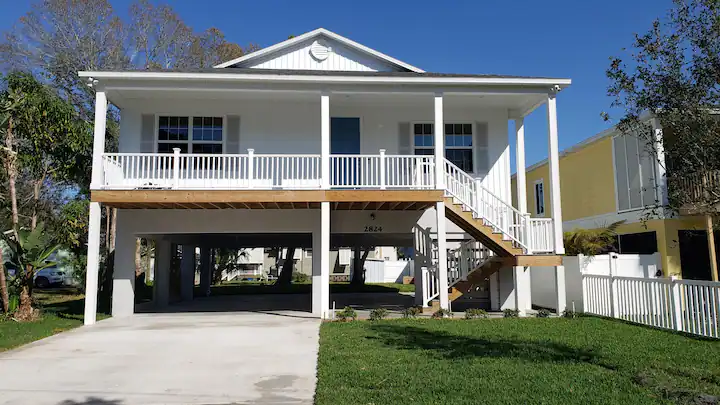
- Wind and Storm Resistance: Roofs are typically designed with a low pitch and secured with hurricane straps. Impact-resistant windows and doors are a must.
- Flooding and Erosion: Homes are elevated on pilings or piers, and landscaping is designed to manage runoff and minimize erosion.
- Energy Efficiency: High humidity and sun exposure require advanced insulation, reflective roofing, and efficient HVAC systems.
For more on adapting your property to harsh weather, our coastal home renovation tips provide actionable strategies to enhance durability and comfort.
Ways to Manage and Optimize Your Budget
While the price of building a coastal home is typically higher than inland projects, there are strategies to keep expenses in check:
- Choose the Right Lot: Select land that requires minimal fill or elevation work to reduce site preparation costs.
- Simplify the Design: Complex shapes and rooflines increase both material and labor costs. Opt for a more straightforward layout where possible.
- Invest in Quality Materials: Spending more upfront on weather-resistant materials can save money on repairs and maintenance over time.
- Work with Experienced Professionals: Contractors familiar with coastal regulations and challenges can help you avoid costly mistakes.
- Plan for the Long Term: Include features like storm shutters, backup generators, and advanced drainage systems to protect your investment.
For ongoing protection and efficiency, our coastal home plumbing protection article covers essential steps to safeguard your home’s systems from salt and moisture.
Frequently Asked Questions
What is the average cost per square foot to build a home by the coast?
The average cost per square foot for coastal construction can range from $250 to $600 or more, depending on location, materials, and design complexity. Elevated foundations, impact-resistant windows, and specialized finishes can drive costs higher than inland builds.
How do building codes affect the budget for coastal homes?
Coastal building codes are often stricter due to risks from hurricanes, flooding, and erosion. Meeting these codes may require additional engineering, specialized materials, and inspections, all of which add to the overall expense.
Are there ways to reduce insurance costs for a new coastal home?
Yes. Elevating the structure, installing storm shutters, using impact-rated windows, and choosing materials that resist fire and water damage can help lower insurance premiums. Working with an agent familiar with coastal properties is also recommended.
What are the most important features for storm protection?
Key features include reinforced roofs, impact-resistant windows and doors, elevated foundations, and effective drainage systems. These elements help protect the home from wind, water, and debris during severe weather.
For more advice on preparing for extreme weather, see our coastal home storm surge protection resource.
Conclusion
Constructing a home by the ocean involves careful planning and a clear understanding of the unique costs involved. By breaking down the main expense categories and considering the challenges of coastal environments, you can budget more accurately and make choices that protect your investment for years to come. Whether you’re just starting to plan or ready to break ground, staying informed is the best way to ensure your coastal dream home becomes a lasting reality.