
Building a house by the sea is a dream for many, but the process comes with unique challenges and considerations. This coastal home construction guide is designed to help you navigate the essential steps, from initial planning to choosing materials that withstand the elements. Whether you’re envisioning a permanent residence or a vacation getaway, understanding the intricacies of building near the shoreline will ensure your investment stands the test of time.
Before diving into the details, it’s important to note that coastal environments demand careful attention to local regulations, environmental impacts, and resilient design. Early research and expert advice can save you time, money, and future headaches. If you’re also a pet owner planning to enjoy the beach lifestyle, check out our resource on how to dispose of dog waste properly at the beach for responsible coastal living.
Understanding Coastal Building Regulations
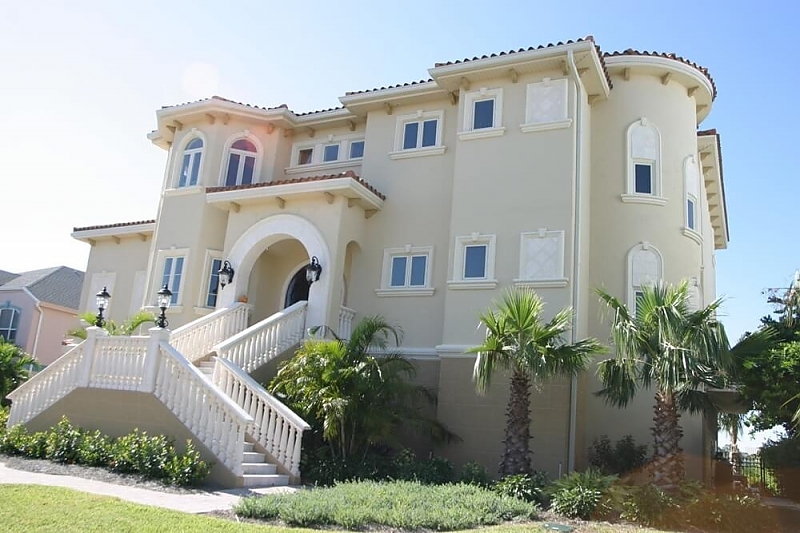
One of the first steps in any coastal home construction guide is to research local building codes and zoning laws. Coastal areas are often subject to stricter regulations due to environmental protection, flood risks, and hurricane exposure. Permits may require additional documentation, such as environmental impact assessments or engineering reports. Consulting with local authorities and experienced architects ensures your project complies with all requirements from the outset.
Key regulatory considerations include:
- Setback requirements: Minimum distances from dunes, wetlands, or the high tide line.
- Flood zone designations: Building in flood-prone areas may require elevated foundations and special insurance.
- Wind and storm resistance: Codes often mandate impact-resistant windows, reinforced roofs, and other structural upgrades.
Staying informed about these regulations will help you avoid costly delays and design changes down the road.
Site Selection and Preparation for Coastal Homes
Choosing the right location is crucial for any waterfront build. Beyond the view, consider the site’s elevation, soil stability, and exposure to wind and salt spray. A thorough site assessment should include:
- Soil testing to determine foundation requirements.
- Flood risk analysis to guide elevation and drainage solutions.
- Vegetation and erosion control to protect both your property and the surrounding environment.
Proper site preparation often involves clearing invasive species, stabilizing dunes, and installing erosion barriers. These steps not only protect your investment but also contribute to the long-term health of the coastal ecosystem.
Designing for Durability and Resilience
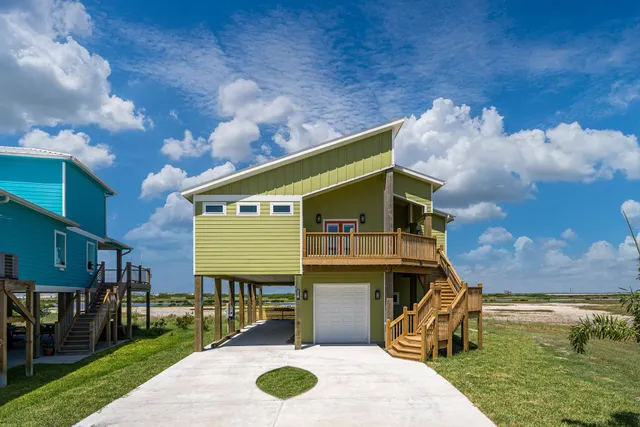
Homes near the ocean face constant exposure to salt, wind, humidity, and storms. A well-crafted coastal home construction guide emphasizes resilient design choices that minimize maintenance and maximize longevity. Consider the following strategies:
- Elevated foundations: Piling or pier foundations protect against flooding and storm surges.
- Impact-resistant windows and doors: These reduce the risk of damage from flying debris and high winds.
- Sloped roofs and overhangs: Direct rain away from the structure and provide shade.
- Ventilation and moisture control: Proper airflow prevents mold and wood rot in humid environments.
Working with architects and builders experienced in coastal construction ensures your home is both beautiful and built to last.
Choosing the Right Materials for Coastal Environments
Material selection is a cornerstone of any coastal home construction guide. The right choices will withstand harsh conditions and reduce long-term upkeep. Prioritize materials that are:
- Corrosion-resistant: Stainless steel, aluminum, and composite fasteners resist rust from salt air.
- Weatherproof: Fiber cement siding, pressure-treated wood, and masonry stand up to moisture and wind.
- UV-resistant finishes: Paints and stains designed for marine environments prevent fading and peeling.
- Low-maintenance: Vinyl windows and synthetic decking require less upkeep than traditional materials.
Consult with suppliers who specialize in coastal products to ensure every component of your home is up to the challenge.

Energy Efficiency and Sustainability in Coastal Construction
Modern coastal homes are increasingly designed with sustainability in mind. Energy-efficient features not only reduce utility costs but also lessen the environmental impact of your build. Consider integrating:
- High-performance insulation to keep interiors comfortable year-round.
- Solar panels for renewable energy generation.
- Rainwater harvesting systems for irrigation and non-potable uses.
- Native landscaping to minimize water use and support local wildlife.
These choices contribute to a healthier home and a more resilient coastal community.
Working with Coastal Construction Professionals
Partnering with experienced builders, architects, and engineers is essential for a successful project. Look for professionals with a proven track record in coastal construction. They will understand the nuances of local regulations, site challenges, and resilient design. Ask for references and examples of previous projects similar to yours.
For more in-depth advice, you can explore this comprehensive resource on building a custom coastal home, which covers trends and best practices for the coming years.
Protecting Your Investment: Insurance and Maintenance
Owning a home by the coast comes with unique insurance needs. Flood and windstorm coverage are often separate from standard homeowner policies. Shop around for providers familiar with coastal risks and review policy exclusions carefully.
Regular maintenance is also key. Schedule annual inspections for your roof, siding, windows, and foundation. Address minor issues promptly to prevent costly repairs. Keeping gutters clear, checking for corrosion, and maintaining landscaping will help preserve your property’s value and appearance.
Frequently Asked Questions
What are the biggest challenges when building near the ocean?
The main difficulties include exposure to saltwater, high winds, humidity, and strict local regulations. These factors require specialized materials, resilient design, and careful planning to ensure the home’s longevity and safety.
How can I make my coastal home more energy efficient?
Use high-quality insulation, install energy-efficient windows and doors, and consider renewable energy sources like solar panels. Incorporating native landscaping and rainwater harvesting also reduces environmental impact and utility costs.
Do I need special insurance for a house by the coast?
Yes, standard homeowner policies often exclude flood and windstorm damage. It’s important to obtain additional coverage specific to coastal risks and review all policy details to ensure adequate protection.