
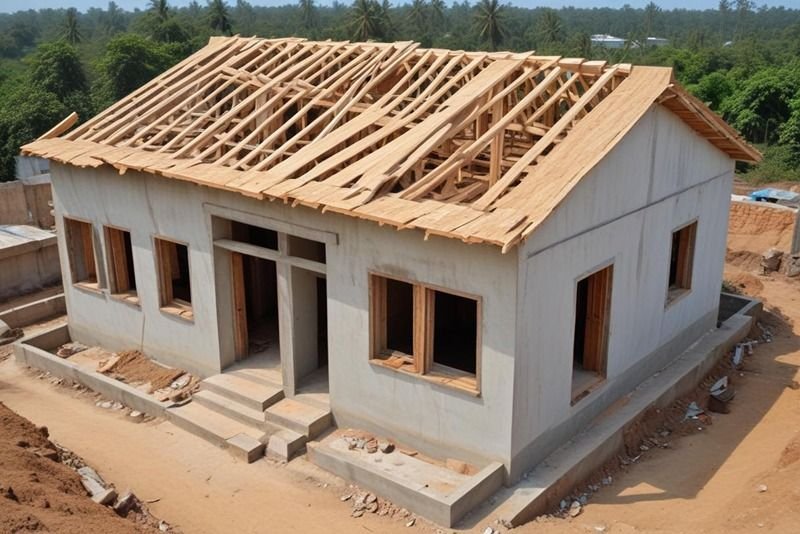
Building or renovating a home near the ocean brings unique opportunities and challenges. The allure of waterfront views and fresh breezes is undeniable, but the financial planning for such a project requires careful attention. This coastal home cost guide breaks down the main factors that influence expenses, from land acquisition to long-term maintenance, so you can make informed decisions and avoid costly surprises.
Whether you’re considering new construction or upgrading an existing property, understanding the specific costs associated with coastal living is essential. From specialized materials to regulatory requirements, every stage of the process can impact your budget. For those focused on safety and longevity, reviewing a coastal home remodeling guide early in your planning can provide additional insights into protecting your investment.
Key Factors Affecting Coastal Home Construction Costs
The overall price of building or renovating a property by the sea is shaped by several core elements. Each of these can have a significant impact on your total outlay, so it’s important to consider them early in your planning.
- Location and Land Value: Waterfront lots command a premium. Prices can vary dramatically depending on proximity to the shoreline, local demand, and accessibility.
- Site Preparation: Coastal areas often require additional groundwork, such as soil stabilization, flood mitigation, and elevation adjustments, which can add to your initial expenses.
- Regulatory Compliance: Building codes are stricter in these regions due to risks like hurricanes, flooding, and erosion. Permits, inspections, and adherence to FEMA or local guidelines can increase both time and cost.
- Materials and Labor: Durable, weather-resistant materials are a must. Labor costs may also be higher due to the need for specialized skills and techniques.
- Insurance: Homeowners insurance, especially flood and windstorm coverage, is typically more expensive in coastal zones.
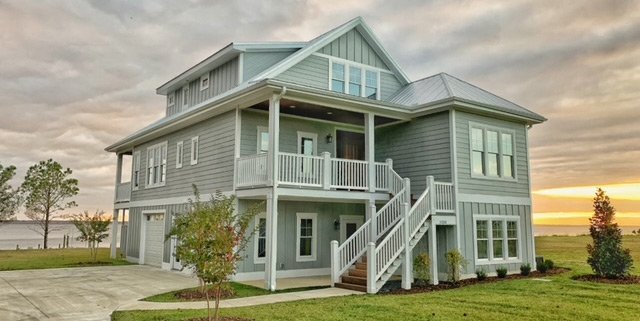
Budgeting for a New Coastal Home: Typical Ranges
Setting a realistic budget is the foundation of any successful project. For new builds, the average cost per square foot is often higher than inland construction due to the unique demands of the environment.
| Expense Category | Estimated Cost Range (USD) |
|---|---|
| Land Purchase | $150,000 – $2,000,000+ |
| Site Preparation & Foundation | $30,000 – $100,000 |
| Construction (per sq. ft.) | $300 – $700+ |
| Permits & Fees | $10,000 – $50,000 |
| Stormproofing & Elevation | $20,000 – $100,000 |
| Insurance (annual) | $3,000 – $20,000 |
These figures are broad estimates. Your actual costs will depend on location, design complexity, and the level of customization. Consulting with local builders and reviewing best practices for coastal construction can help you refine your budget and avoid unexpected expenses.
Renovation and Remodeling Expenses in Coastal Areas
Upgrading an existing property by the ocean can be more cost-effective than building from scratch, but it still comes with unique challenges. Renovation budgets should account for:
- Structural Reinforcement: Strengthening foundations, roofs, and windows to withstand storms and salt air.
- Material Upgrades: Replacing standard materials with corrosion-resistant options like stainless steel, composite decking, and marine-grade hardware.
- Moisture and Mold Control: Enhanced waterproofing and ventilation systems to prevent long-term damage.
- Code Compliance: Bringing older homes up to current coastal building standards.
For more detailed advice on adapting your property to harsh conditions, check out these coastal home renovation tips.
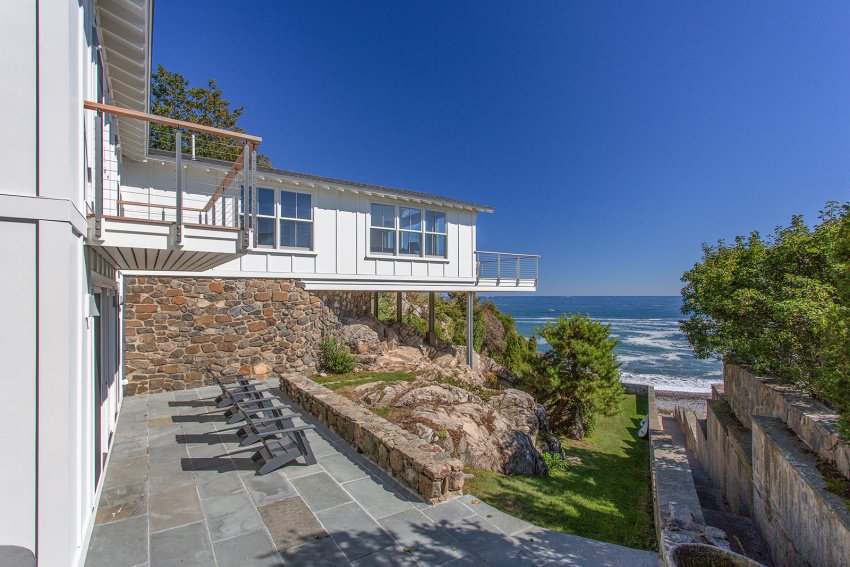
Long-Term Maintenance and Hidden Costs
The financial commitment of owning a property by the sea doesn’t end with construction. Ongoing maintenance is essential to preserve value and safety. Key considerations include:
- Routine Inspections: Regular checks for corrosion, water intrusion, and pest damage.
- Protective Coatings: Repainting and sealing surfaces to guard against salt and moisture.
- HVAC and Plumbing: Systems may require upgrades or frequent servicing to combat humidity and salt exposure. For plumbing-specific advice, see these coastal home plumbing protection tips.
- Storm Preparation: Investing in shutters, backup power, and surge protection to minimize storm-related repairs.
Factoring in these ongoing expenses is crucial for an accurate financial plan. For a comprehensive approach to property care, a coastal home maintenance guide can be a valuable resource.
Ways to Control and Optimize Your Coastal Home Budget
While building or renovating near the ocean can be costly, there are strategies to help manage your investment:
- Work with Local Experts: Choose architects and contractors experienced in coastal construction for accurate estimates and efficient solutions.
- Prioritize Resilience: Invest in storm-resistant features upfront to reduce future repair costs.
- Phase Your Project: If possible, tackle construction or upgrades in stages to spread out expenses.
- Research Incentives: Some regions offer grants or tax breaks for resilient building practices.
- Plan for the Long Term: Budget for maintenance and insurance increases over time, not just initial construction.
Frequently Asked Questions
What is the average cost to build a home on the coast?
The average cost to construct a new property by the ocean typically ranges from $300 to $700 per square foot, not including land. This range reflects the need for specialized materials, stricter building codes, and additional site preparation compared to inland projects.
How can I reduce maintenance expenses for a coastal property?
To keep long-term costs manageable, invest in weather-resistant materials, schedule regular inspections, and address minor issues promptly. Using guides like a coastal home maintenance guide can help you stay proactive and prevent costly repairs.
Are there special insurance requirements for homes near the ocean?
Yes, most coastal properties require additional insurance coverage for risks such as flooding, hurricanes, and wind damage. Premiums are generally higher than for inland homes, and some areas may require separate policies for wind and flood protection.
What are the most common hidden costs in coastal home projects?
Hidden expenses often include site-specific engineering, stormproofing upgrades, higher insurance premiums, and ongoing maintenance. It’s also important to budget for code compliance updates and potential increases in material costs due to supply chain challenges.
Conclusion
Planning a home by the ocean involves more than just choosing a scenic location. By understanding the unique factors that influence costs and taking a proactive approach to budgeting, you can enjoy the benefits of coastal living while protecting your investment. Leverage local expertise, prioritize resilient construction, and stay informed about best practices to ensure your project’s long-term success.