
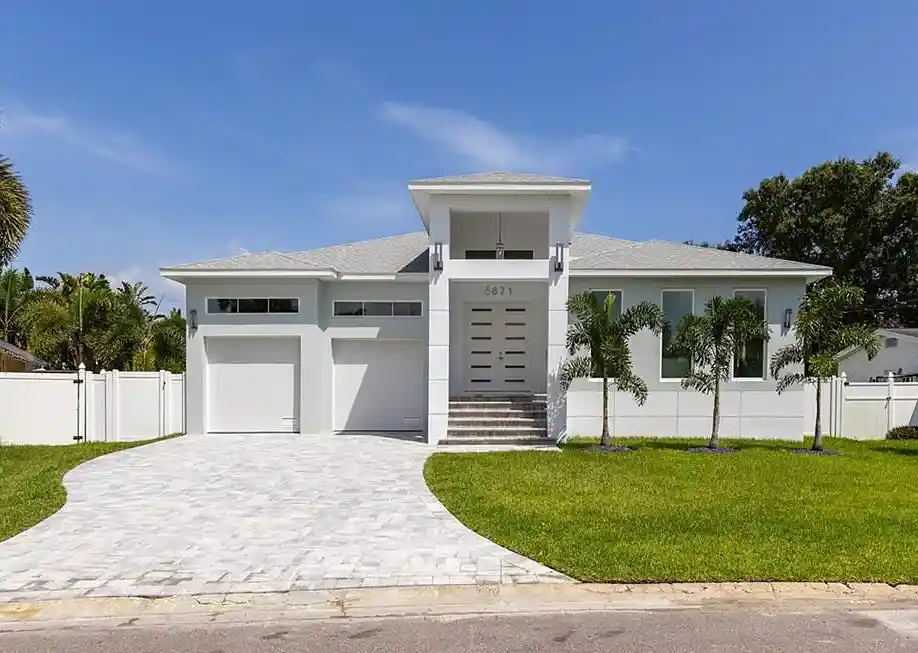
Building a deck for a seaside property presents unique challenges. The combination of salt air, high humidity, strong winds, and intense sun exposure can quickly degrade traditional materials and construction methods. For homeowners and builders, understanding the essentials of coastal home deck construction is key to ensuring long-lasting performance and safety.
This article covers the most important considerations for creating a resilient deck in a coastal environment, from material selection and structural design to maintenance strategies. If you’re interested in broader topics around shoreline building, you may also want to review coastal construction best practices for a comprehensive look at building near the ocean.
Key Factors in Deck Building Near the Coast
Decks in oceanfront areas face harsher conditions than those built inland. The following factors should guide every stage of planning and construction:
- Salt Exposure: Salt in the air and water accelerates corrosion and wood decay, especially on fasteners and connectors.
- Moisture and Humidity: Persistent dampness increases the risk of rot, mold, and warping in wood and can impact composite materials.
- UV Radiation: Intense sunlight can cause fading, cracking, and surface breakdown if materials are not UV-stabilized.
- Wind and Storms: High winds and flying debris require decks to be anchored securely and built to withstand uplift forces.
Choosing Materials for Longevity in Coastal Deck Projects
Selecting the right materials is the foundation of any durable deck near the ocean. Here are the most common options and their pros and cons:
Pressure-Treated Lumber
This is a popular and cost-effective choice, but not all pressure-treated wood is suitable for marine environments. Look for lumber rated for ground contact and marine use, which contains higher levels of preservatives. Regular maintenance is essential to prevent rot and insect damage.
Composite and PVC Decking
Modern composite boards and PVC decking offer excellent resistance to moisture, insects, and UV rays. They require less upkeep than wood and are less prone to warping or splintering. However, quality varies, so choose products specifically designed for coastal applications.
Hardwoods and Tropical Species
Woods like ipe, cumaru, and teak are naturally resistant to rot and insects. They are dense and durable but can be expensive and require periodic oiling to maintain their appearance.
Fasteners and Connectors
Stainless steel (preferably 316 grade) or hot-dipped galvanized hardware is a must. Standard steel fasteners will quickly corrode in salty air, compromising the deck’s structural integrity.
Design Considerations for Resilient Seaside Decks
Beyond materials, the way a deck is designed and built plays a major role in its ability to withstand coastal conditions.
- Elevated Structures: Raising the deck allows for better airflow, reducing moisture buildup and helping prevent rot.
- Proper Drainage: Ensure water can drain freely from the deck surface and framing. Use sloped boards and gaps between planks.
- Secure Anchoring: Use hurricane ties and reinforced connections to anchor the deck to the home and footings, protecting against wind uplift.
- Ventilation: Good airflow beneath and around the deck helps materials dry out after storms or high humidity.
- Permits and Codes: Always check local building codes, which may have stricter requirements for decks in flood or hurricane zones.
Maintenance Tips for Coastal Decks

Even the best-built deck needs regular care to stay in top shape. Here’s how to extend the life of your investment:
- Rinse Frequently: Wash the deck with fresh water to remove salt deposits, especially after storms or windy days.
- Inspect Annually: Check for loose fasteners, signs of corrosion, and areas of rot or insect activity. Replace damaged boards or hardware promptly.
- Seal and Protect: Apply a high-quality sealer or stain to wood surfaces every 1–2 years, focusing on UV and moisture protection.
- Clean Gaps and Drains: Remove debris from between boards and around footings to prevent water pooling and promote drainage.
- Monitor for Mold: Treat any signs of mildew or algae growth with appropriate cleaners to prevent slippery surfaces and decay.
Expert Insights and Additional Resources
For those planning a new deck or major renovation, consulting with professionals experienced in coastal home deck construction is highly recommended. They can help you navigate local regulations, select the best materials, and design a structure that stands up to the elements.
For a broader overview of building by the sea, the ultimate guide to building your coastal dream home offers in-depth advice on site selection, design, and construction techniques tailored to oceanfront living.
If you’re new to the subject, you may also find value in reading about what is coastal home construction and coastal house construction basics for foundational knowledge.
Frequently Asked Questions
What materials last longest for decks near the ocean?
The most durable options are high-grade composite or PVC decking, tropical hardwoods like ipe or teak, and pressure-treated lumber rated for marine use. Always pair these with stainless steel or hot-dipped galvanized fasteners to prevent corrosion.
How often should I maintain a deck in a coastal area?
Decks exposed to salt and humidity should be rinsed with fresh water at least monthly, inspected thoroughly once a year, and resealed or stained every 1–2 years, depending on the material and exposure.
Are there special building codes for decks in coastal zones?
Yes, many coastal regions have stricter codes to address wind, flooding, and corrosion risks. These may require deeper footings, stronger anchoring, and specific materials. Always check with your local building department before starting construction.
Can I use regular deck hardware for a seaside deck?
No. Standard steel hardware will quickly rust and fail in salty environments. Use only stainless steel (preferably 316 grade) or hot-dipped galvanized fasteners and connectors for all structural elements.
Conclusion
Constructing a deck in a coastal setting requires careful planning, the right materials, and ongoing maintenance. By prioritizing corrosion-resistant hardware, moisture-resistant decking, and robust design, you can enjoy a safe and attractive outdoor space for years to come. For further reading on the step-by-step process, see this guide to building a coastal home.