
Living by the ocean offers stunning views and a unique lifestyle, but it also comes with the responsibility of safeguarding your property and the surrounding environment. Coastal home dune protection is essential for maintaining the stability of shoreline properties, preserving natural habitats, and minimizing erosion. Understanding the most effective methods to protect dunes can help homeowners and communities ensure the longevity and safety of their coastal investments.
For those who enjoy bringing their pets to the beach, it’s important to be mindful of local guidelines and environmental impact. If you’re interested in responsible pet ownership near the dunes, the how to dispose of dog waste properly at the beach guide offers practical tips for keeping the shoreline clean and healthy.
Why Dune Protection Matters for Coastal Homes
Dunes act as natural barriers that shield coastal properties from storm surges, high winds, and flooding. Without proper protection, these sand formations can erode quickly, leaving homes vulnerable to damage and increasing the risk of property loss during severe weather events. In addition to safeguarding buildings, healthy dunes support local ecosystems by providing habitat for native plants and wildlife.
Effective coastal home dune protection strategies not only help individual homeowners but also benefit the broader community. Preserved dunes contribute to the overall resilience of the shoreline, reducing the need for costly repairs and restoration after storms.
Understanding the Natural Role of Dunes
Sand dunes are dynamic features that constantly change shape due to wind, water, and human activity. They form when sand accumulates behind obstacles like vegetation or driftwood, gradually building up over time. The roots of dune plants help anchor the sand, making these formations more resistant to erosion.
When dunes are disturbed—by foot traffic, construction, or removal of vegetation—their ability to protect inland areas diminishes. This makes it crucial for property owners to understand how their actions impact the stability of these natural defenses.
Best Practices for Dune Preservation Near Residences
There are several proven approaches to maintaining and enhancing dunes around coastal properties. Here are some of the most effective methods:
- Plant Native Vegetation: Encouraging the growth of native dune grasses and shrubs is one of the most reliable ways to stabilize sand. These plants have deep root systems that help bind the sand together, reducing erosion and promoting dune growth.
- Limit Foot Traffic: Installing boardwalks or designated pathways prevents trampling of sensitive dune areas. Keeping people and pets off the dunes allows vegetation to thrive and minimizes disturbance to the sand structure.
- Install Sand Fencing: Sand fences are simple barriers that trap windblown sand, helping dunes build up naturally. They are especially useful in areas where vegetation is sparse or newly planted.
- Control Invasive Species: Removing non-native plants that outcompete native dune species is essential for long-term stability. Invasive plants often have shallow roots and do not provide the same level of protection.
- Participate in Restoration Projects: Many communities offer volunteer opportunities for dune planting and maintenance. Getting involved in these efforts strengthens the entire shoreline and fosters a sense of stewardship.
Design Considerations for Coastal Homes Near Dunes
When building or renovating a property close to the shore, it’s important to incorporate features that support dune preservation. Thoughtful design choices can minimize environmental impact and enhance the resilience of both the home and the surrounding landscape.
- Setbacks: Positioning new structures farther from the dune line reduces the risk of erosion and allows dunes to shift naturally over time.
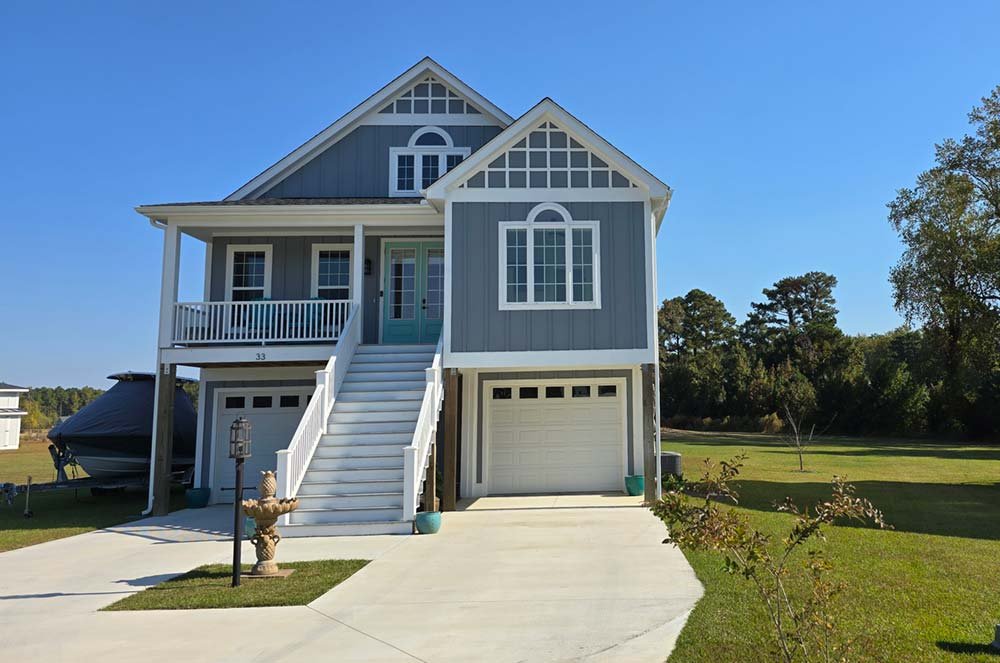
- Elevated Foundations: Raising homes on pilings or stilts protects them from flooding and storm surge while allowing sand and water to move underneath without obstruction.
- Permeable Surfaces: Using materials like gravel or permeable pavers for driveways and walkways helps maintain natural water flow and reduces runoff that can destabilize dunes.
- Minimal Landscaping: Limiting the use of lawns and ornamental plants near dunes preserves native habitats and reduces the need for irrigation or fertilizers that can harm local ecosystems.
Community Involvement and Local Regulations
Protecting dunes is not just an individual responsibility—it’s a community effort. Many coastal areas have regulations in place to preserve these vital features. Homeowners should familiarize themselves with local ordinances regarding construction, landscaping, and public access to ensure compliance and avoid penalties.
Participating in neighborhood dune restoration events or supporting local conservation groups can amplify the impact of individual actions. Staying informed about new policies and best practices helps ensure that everyone benefits from a healthy, resilient shoreline.
For more insights on building responsibly near the ocean, the guide to important considerations when building a coastal home offers expert advice on site selection, materials, and long-term maintenance.
Addressing Common Threats to Dune Stability
Several factors can compromise the integrity of dunes near residential areas. Understanding these threats is key to developing effective coastal home dune protection plans:
- Storm Events: Hurricanes and nor’easters can cause significant erosion, washing away large sections of dunes in a short period.
- Human Activity: Unregulated foot traffic, vehicle use, and construction can destabilize sand and damage vegetation.
- Sea Level Rise: Gradual increases in sea level can lead to chronic erosion, making it harder for dunes to recover naturally.
- Neglect: Failing to maintain fences, pathways, or vegetation can accelerate dune loss over time.
By proactively addressing these risks, homeowners can help ensure that dunes continue to provide protection and ecological benefits for years to come.
Integrating Dune-Friendly Practices Into Everyday Life
Simple daily habits can make a significant difference in preserving dunes. Avoid walking or driving on vegetated areas, use designated access points to the beach, and educate family members and guests about the importance of dune conservation. If you have pets, always clean up after them and keep them leashed in sensitive areas to prevent disturbance to wildlife and plants.
For those planning a visit to dog-friendly beaches, resources like the Jupiter dog beach visitor guide for tourists provide helpful information on responsible recreation and local rules.
Frequently Asked Questions
What are the most effective plants for stabilizing dunes?
Native grasses such as sea oats, American beachgrass, and bitter panicum are among the best choices for stabilizing dunes. Their extensive root systems help bind sand, reduce erosion, and promote dune growth. Avoid planting non-native or ornamental species, as they may not provide the same level of protection.
Can homeowners build fences or barriers on dunes?
Sand fencing is a widely accepted method for encouraging dune formation, but it’s important to check local regulations before installation. Fences should be placed parallel to the shoreline and spaced to allow windblown sand to accumulate naturally. Permanent structures or solid barriers are generally discouraged, as they can disrupt natural dune processes.
How can communities balance public access with dune protection?
Designated boardwalks, signage, and educational programs help direct foot traffic away from sensitive dune areas while still allowing public enjoyment of the beach. Community involvement in restoration projects and regular maintenance of access points are key to balancing recreation with conservation.
Conclusion
Adopting thoughtful coastal home dune protection strategies is essential for anyone living near the ocean. By understanding the natural role of dunes, implementing best practices, and staying informed about local regulations, homeowners can help preserve these vital features for future generations. Whether through planting native vegetation, limiting disturbance, or participating in community efforts, every action contributes to a stronger, more resilient shoreline.