
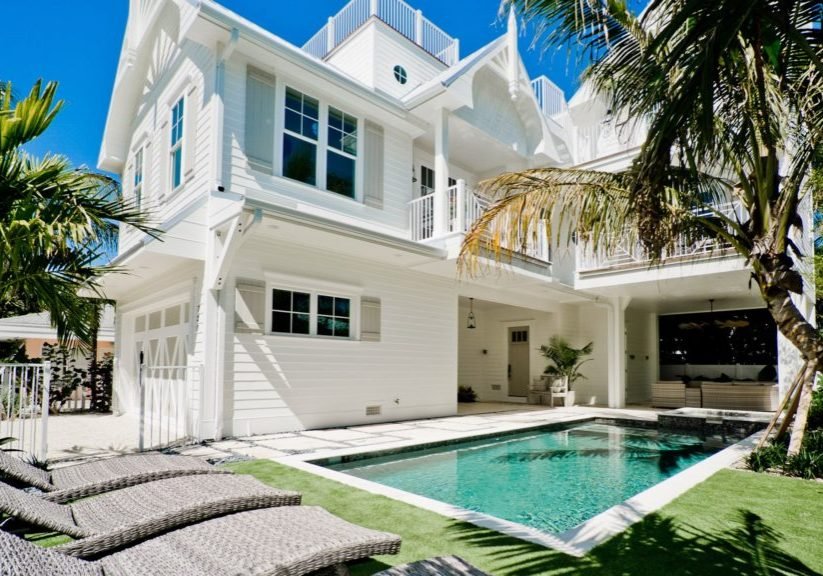
Designing a home in a coastal environment brings unique opportunities and challenges. Elevated living is not only a necessity in many waterfront areas due to flood risks, but it also offers a chance to maximize views, airflow, and the overall enjoyment of seaside life. Whether you are building new or renovating, understanding the principles of coastal home elevated living design can help you create a space that is both beautiful and resilient.
From selecting materials that withstand salt and humidity to optimizing outdoor spaces for relaxation and entertaining, this guide explores practical ideas and inspiration for homes by the water. If you’re planning to enjoy the beach with your dog, you might also find helpful tips in the how to dispose of dog waste properly at the beach article.
Why Elevated Living Is Essential for Coastal Homes
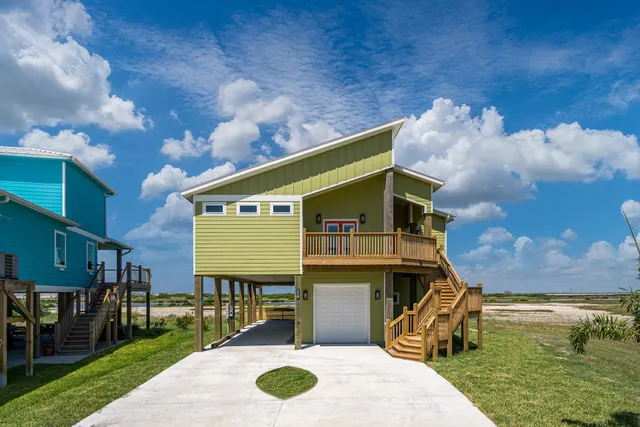
Building above ground level is a defining feature of many seaside residences. This approach is driven by practical considerations and local regulations, especially in areas prone to flooding, hurricanes, or erosion. Elevating the main living spaces not only protects your investment but also enhances the lifestyle experience by providing better views and breezes.
Some of the main reasons for choosing an elevated layout include:
- Flood Protection: Raising the structure helps minimize damage from storm surges and high tides.
- Improved Ventilation: Elevated homes benefit from increased airflow, which is crucial in humid climates.
- Maximized Views: Higher vantage points allow for unobstructed ocean or bay panoramas.
- Outdoor Living: The space beneath the home can be used for parking, storage, or shaded patios.
Key Elements of Coastal Home Elevated Living Design
Successful elevated living spaces blend function with style. Here are some essential components to consider when planning your project:
1. Foundation and Structural Choices
The foundation is the backbone of any elevated home. Piling foundations, piers, or stilts are common in coastal construction. These systems are engineered to withstand shifting sands, high winds, and water movement. For a deeper dive into the technical aspects and regulations, the coastal zone construction guide offers valuable insights.
2. Durable, Weather-Resistant Materials
Salt air, moisture, and intense sun can quickly degrade standard building materials. Opt for products specifically designed for coastal environments, such as:
- Fiber cement siding or composite cladding for exterior walls
- Stainless steel or powder-coated hardware to prevent rust
- Impact-rated windows and doors for storm protection
- Moisture-resistant flooring like tile, stone, or engineered wood
3. Seamless Indoor-Outdoor Connections
One of the joys of living by the water is the ability to blur the lines between inside and out. Elevated decks, screened porches, and large sliding doors create inviting transitions. Consider:
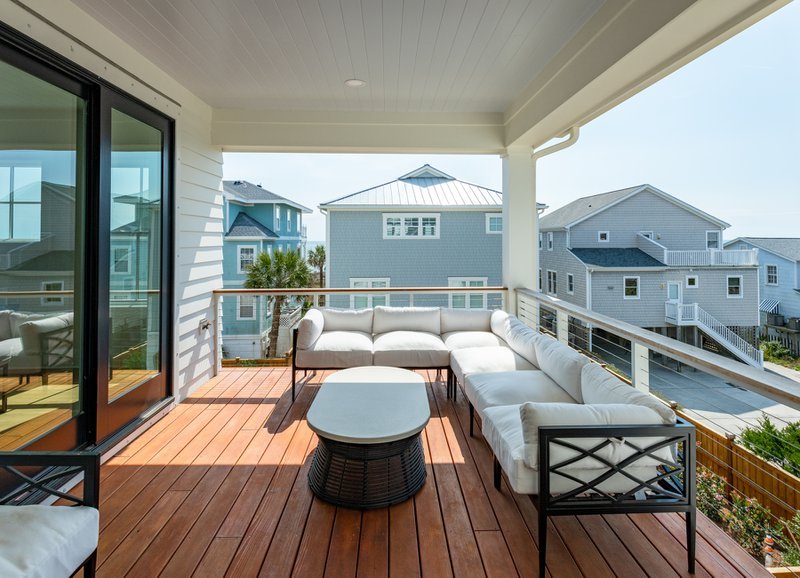
- Expansive balconies with glass or cable railings for unobstructed views
- Covered patios beneath the main floor for shaded retreats
- Outdoor kitchens and dining areas for entertaining
- Easy-to-clean surfaces for sandy feet and wet swimsuits
Maximizing Light, Air, and Views
Natural light and breezes are hallmarks of coastal living. Elevated designs can be optimized to take full advantage of these elements:
- Strategic Window Placement: Position windows to capture sunrise, sunset, and prevailing winds.
- Open Floor Plans: Fewer interior walls allow light and air to flow freely.
- High Ceilings: Vaulted or tray ceilings add volume and help with ventilation.
- Reflective Surfaces: Light-colored walls and floors bounce daylight deeper into the home.
Outdoor Spaces and Landscaping for Elevated Coastal Homes
Landscaping and exterior design are just as important as the structure itself. Elevated homes often have unique yard layouts, with driveways, gardens, and walkways designed to accommodate the raised footprint. Here are some ideas to enhance your property:
- Native Plantings: Choose salt-tolerant, drought-resistant species for low-maintenance beauty.
- Permeable Surfaces: Gravel, shell, or paver driveways help manage stormwater runoff.
- Outdoor Showers: Rinse off sand and salt before entering the home.
- Functional Storage: Use the space beneath the house for beach gear, bikes, and kayaks.
For those who enjoy bringing pets to the shore, maintaining clean outdoor areas is essential. You may want to review the guide on how to wash your dog’s harness after the beach for practical cleaning tips.
Interior Design Tips for Elevated Coastal Living
Inside, the best coastal homes feel relaxed, airy, and connected to their surroundings. Here are some strategies to achieve that look and feel:
- Color Palette: Soft blues, sandy beiges, and crisp whites evoke the beach environment.
- Natural Materials: Incorporate rattan, driftwood, linen, and jute for texture and warmth.
- Minimal Clutter: Open shelving and built-in storage keep spaces tidy and functional.
- Flexible Furnishings: Choose pieces that can handle wet swimsuits, sandy feet, and lots of guests.
Lighting is also key. Use layered lighting—ambient, task, and accent—to adapt to different times of day and activities. Large windows and glass doors should be paired with shades or curtains that provide privacy without blocking the view.
Planning for Resilience and Sustainability
Modern coastal home elevated living design is about more than aesthetics. It’s about building for the future. Consider these strategies for a resilient, eco-friendly home:
- Energy Efficiency: Use high-performance insulation, windows, and appliances to reduce energy costs.
- Solar Panels: Take advantage of abundant sunlight for renewable energy.
- Rainwater Harvesting: Collect and reuse rainwater for irrigation or non-potable uses.
- Smart Home Technology: Monitor and control systems remotely for safety and convenience.
Staying informed about local building codes and environmental best practices is crucial. For more on regulations and construction tips, refer to the comprehensive guide to coastal zone construction.
Frequently Asked Questions
What are the main benefits of elevating a coastal home?
Elevating a home in a coastal setting protects against flooding, improves ventilation, and maximizes scenic views. It also creates additional space for parking, storage, or outdoor living beneath the main structure.
Which materials are best for homes near the ocean?
Durable, weather-resistant materials such as fiber cement siding, stainless steel hardware, impact-rated windows, and moisture-resistant flooring are ideal. These choices help prevent corrosion, warping, and other damage caused by salt, sun, and humidity.
How can I make my elevated home more sustainable?
Incorporate energy-efficient appliances, solar panels, rainwater harvesting systems, and native landscaping. These features reduce environmental impact and can lower long-term maintenance and utility costs.
Conclusion
Embracing coastal home elevated living design means balancing protection, comfort, and style. By focusing on resilient materials, thoughtful layouts, and seamless indoor-outdoor connections, you can create a home that stands up to the elements and enhances your enjoyment of the shoreline. Whether you’re building new or renovating, these ideas will help you make the most of your coastal lifestyle.