
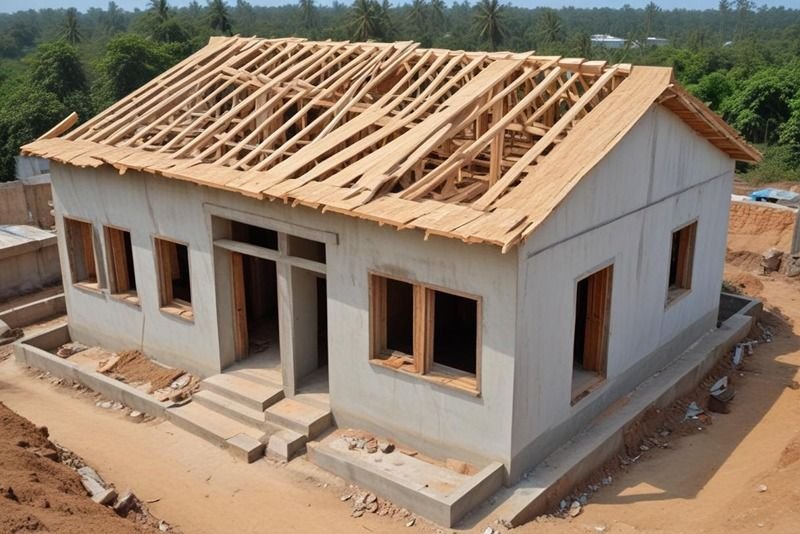
Building a sustainable residence near the shoreline presents unique opportunities and challenges. The combination of harsh weather, salt air, and sensitive ecosystems means that coastal home green building requires careful planning and thoughtful material selection. By following proven strategies, homeowners and builders can create energy-efficient, resilient, and environmentally friendly properties that stand up to the demands of coastal living.
This article explores essential methods for sustainable construction in seaside environments, including site selection, resilient materials, energy efficiency, and environmental stewardship. For a deeper dive into the fundamentals of shoreline construction, see coastal house construction basics.
Understanding the Challenges of Sustainable Coastal Construction
Constructing eco-friendly homes near the ocean involves more than just choosing green materials. The coastal environment is dynamic, with high humidity, salt spray, strong winds, and the risk of flooding or erosion. These factors can impact the durability of building components and the long-term sustainability of the structure.
To address these issues, coastal home green building strategies prioritize resilience, energy efficiency, and minimal environmental impact. Proper planning and adherence to local regulations are crucial for success.

Site Selection and Orientation for Eco-Friendly Coastal Homes
Choosing the right location is foundational for any green building project near the shore. Sustainable site selection involves:
- Minimizing environmental disturbance by avoiding sensitive habitats such as dunes, wetlands, or nesting areas.
- Assessing flood risk and ensuring the property is above projected sea level rise or storm surge zones.
- Maximizing passive solar gain by orienting the home to take advantage of natural light and breezes, reducing reliance on mechanical heating and cooling.
- Preserving existing vegetation to stabilize soil and provide natural windbreaks.
Early engagement with local authorities and environmental consultants can help identify any restrictions and ensure compliance with coastal management regulations.
Resilient Materials and Construction Techniques for Coastal Green Homes
The selection of building materials is critical for longevity and sustainability. In salt-laden, humid environments, certain products outperform others:
- Corrosion-resistant fasteners such as stainless steel or hot-dipped galvanized hardware prevent premature failure.
- Fiber cement siding and composite decking offer durability against moisture and insects, reducing maintenance needs.
- Impact-rated windows and doors provide protection from windborne debris and improve energy efficiency.
- Elevated foundations help safeguard against flooding and allow water to flow beneath the structure.
- Low-VOC paints and sealants improve indoor air quality and reduce environmental contamination.
For more on building for durability in these environments, consult resources like coastal construction best practices.
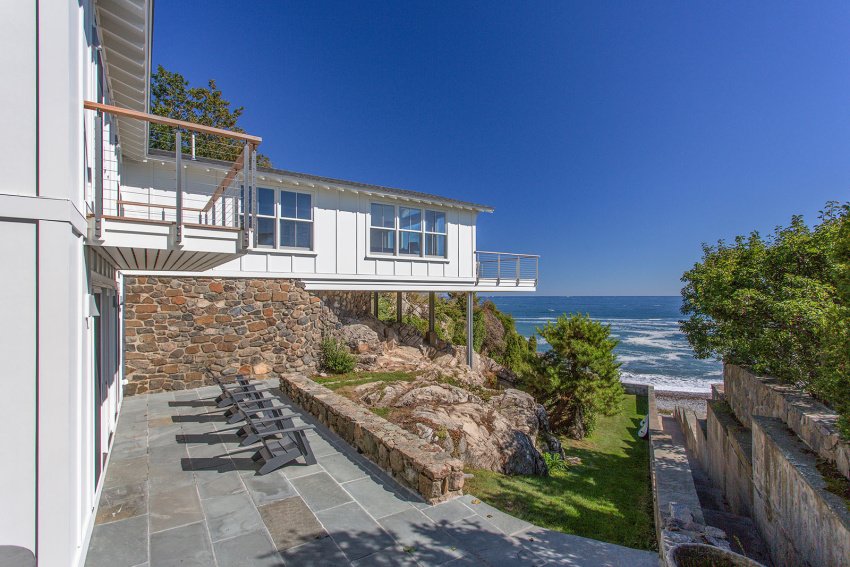
Energy Efficiency and Water Conservation in Coastal Residences
Reducing energy and water use is a core principle of sustainable building. For homes near the ocean, consider these strategies:
- High-performance insulation and air sealing to keep interiors comfortable and reduce HVAC demands.
- Solar panels or solar water heating systems, which are especially effective in sunny coastal climates.
- Energy Star-rated appliances and LED lighting to lower electricity consumption.
- Rainwater harvesting and greywater recycling for irrigation and non-potable uses.
- Native landscaping to minimize irrigation needs and support local biodiversity.
Integrating smart home technology can further optimize energy use and provide real-time feedback for ongoing improvements.
Protecting the Coastal Environment Through Responsible Building
Sustainable construction near the shore must balance human needs with the protection of fragile ecosystems. Responsible practices include:
- Controlling runoff with permeable paving and rain gardens to prevent pollution of waterways.
- Reducing site disturbance during construction to preserve native plants and wildlife habitats.
- Using recycled or locally sourced materials to lower the carbon footprint of the project.
- Implementing erosion control measures such as retaining walls, vegetative buffers, and dune stabilization.
For additional guidance, see this comprehensive overview of best practices for coastal construction from industry experts.
Designing for Resilience and Long-Term Sustainability
A truly green home by the sea is designed to adapt to changing conditions and withstand extreme weather. Key elements include:
- Flexible floor plans that allow for future modifications or expansions.
- Backup power systems such as battery storage or generators for storm resilience.
- Storm shutters and reinforced roofing to protect against hurricanes and high winds.
- Accessible maintenance areas for easy inspection and repair of critical systems.
Regular maintenance and monitoring are essential to preserve the performance and safety of any eco-friendly coastal residence.
Frequently Asked Questions
What are the most important materials for sustainable building near the coast?
The best materials for green construction in coastal areas are those that resist moisture, salt, and wind. Stainless steel fasteners, fiber cement siding, impact-rated windows, and composite decking are all excellent choices. Using locally sourced or recycled materials can also enhance sustainability.
How can I protect my coastal home from flooding and storms?
Elevating the foundation, installing impact-resistant windows and doors, and using reinforced roofing are effective ways to safeguard your property. Incorporating proper drainage, erosion control, and backup power systems further increases resilience to severe weather.
What steps can I take to minimize my environmental impact when building by the ocean?
Minimize site disturbance, preserve native vegetation, use permeable surfaces, and choose low-impact building materials. Implementing water conservation systems and energy-efficient technologies will also reduce your home’s ecological footprint.
Conclusion
Building a sustainable home in a coastal setting requires a thoughtful blend of resilience, efficiency, and environmental responsibility. By prioritizing durable materials, energy-saving systems, and site-sensitive design, homeowners can enjoy the benefits of oceanfront living while protecting the environment for generations to come. For those considering a new project, reviewing what is coastal home construction can provide additional context and guidance.