
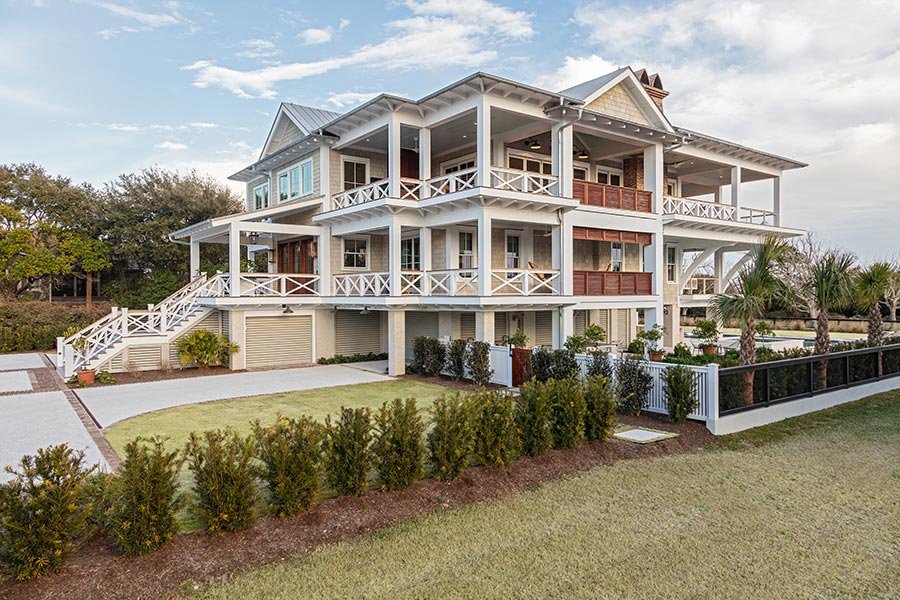
Living near the coast offers unique benefits—stunning views, fresh breezes, and easy access to the water. However, owning property in these areas also comes with specific challenges, especially when it comes to protecting your investment. Understanding coastal home insurance requirements is essential for homeowners who want to ensure their property is adequately covered against the risks that come with coastal living.
Insurance for homes in coastal zones is more complex than standard policies due to increased exposure to hurricanes, flooding, windstorms, and saltwater damage. Insurers often have stricter guidelines and may require additional coverage or specific construction features. Navigating these requirements can feel overwhelming, but with the right information, you can make informed decisions and secure the right protection for your property.
If you’re also interested in how construction methods affect insurability, check out this resource on coastal construction best practices to learn how building choices can impact your insurance options and premiums.
Key Factors That Influence Insurance for Coastal Properties
Insurers evaluate several risk factors before issuing a policy for a home near the shoreline. These factors determine not only your eligibility but also the cost and scope of your coverage. Here are the most significant considerations:
- Proximity to the Water: The closer your property is to the ocean or bay, the higher the risk of storm surge and flooding.
- Elevation and Flood Zone: Homes in low-lying areas or FEMA-designated flood zones often require additional flood insurance and may face higher premiums.
- Construction Materials and Methods: The durability of your home’s structure, including roofing, windows, and foundation, can affect insurability. Reinforced materials and hurricane-resistant features are often preferred.
- Local Building Codes: Compliance with up-to-date building codes, especially those related to wind and flood resistance, is often a prerequisite for coverage.
- Claims History: Previous claims for wind, water, or storm damage can impact your eligibility and rates.
Types of Coverage Needed for Coastal Homes
Standard homeowners insurance typically does not provide enough protection for properties exposed to coastal hazards. To fully safeguard your investment, you may need several types of policies:
- Windstorm Insurance: Many standard policies exclude wind damage in high-risk areas. Separate windstorm coverage may be required, especially in hurricane-prone regions.
- Flood Insurance: Flooding is not covered by most homeowners policies. The National Flood Insurance Program (NFIP) or private flood insurers can provide this essential protection.
- Excess or Surplus Lines: If your home’s value or risk profile exceeds the limits of standard policies, you may need excess coverage for additional protection.
- Special Endorsements: Coverage for sewer backup, mold, or debris removal may be necessary, depending on your location and risk factors.
It’s important to review your policy documents carefully and consult with an insurance professional to ensure all potential risks are addressed.
Common Requirements for Insuring Coastal Properties
Insurers often set specific requirements for homes in coastal zones. Meeting these conditions can help you secure coverage and may even lower your premiums. Typical requirements include:
- Hurricane Shutters or Impact-Resistant Windows: Installing these features can reduce wind damage and may be mandatory in some areas.
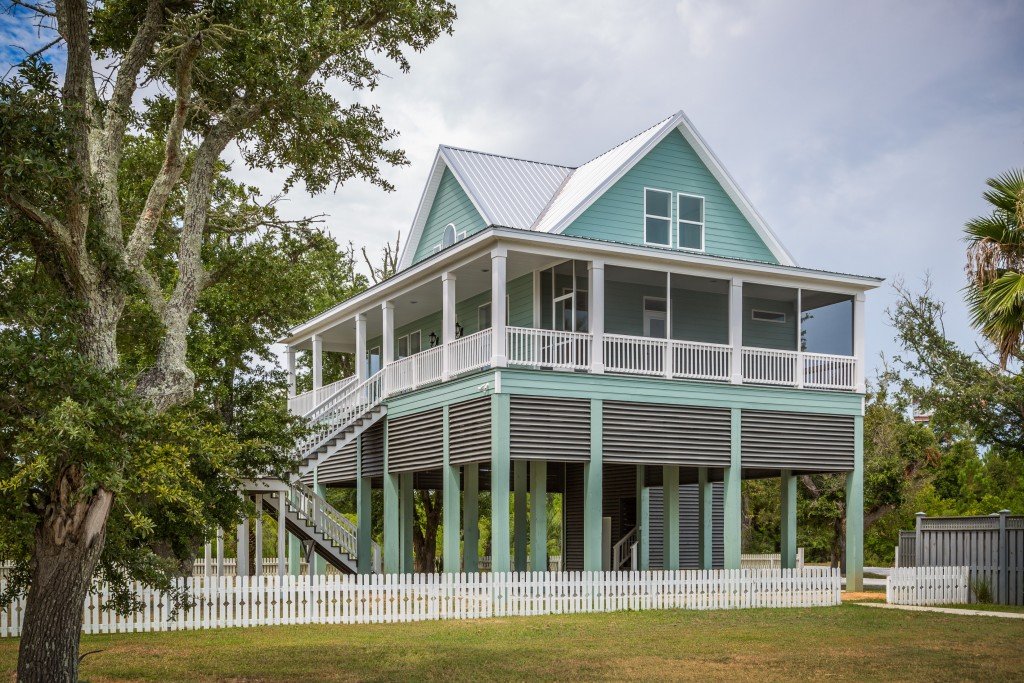
- Elevated Foundations: Homes built on pilings or raised slabs are less vulnerable to flooding and may be required in certain flood zones.
- Roof Tie-Downs and Reinforcements: Enhanced roof structures help resist uplift forces during storms.
- Compliance with Updated Codes: Adhering to the latest building standards is often a prerequisite for coverage.
- Regular Maintenance: Insurers may require proof of ongoing maintenance to minimize risk.
For more details on how construction choices can affect your insurance, you might find this article on what is coastal home construction helpful.
How to Prepare for the Insurance Application Process
Applying for insurance on a coastal property involves more documentation and scrutiny than for inland homes. Here’s how to streamline the process:
- Gather Building Documentation: Have blueprints, elevation certificates, and proof of code compliance ready.
- Document Upgrades: Provide evidence of hurricane-resistant features, recent renovations, and maintenance records.
- Assess Coverage Gaps: Work with your agent to identify and fill any gaps in your protection.
- Compare Policies: Don’t settle for the first quote. Compare offerings from multiple insurers, including specialty providers.
Reducing Premiums and Improving Insurability
While premiums for coastal properties tend to be higher, there are ways to manage costs and improve your chances of qualifying for coverage:
- Invest in Mitigation: Upgrading to impact-resistant windows, reinforced roofs, and flood vents can lead to discounts.
- Maintain a Claims-Free Record: Avoiding small claims can help keep your rates lower over time.
- Bundle Policies: Combining home, auto, and flood insurance with the same provider may result in savings.
- Increase Deductibles: Opting for a higher deductible can lower your premium, but make sure you can afford the out-of-pocket expense if you need to file a claim.
- Stay Informed: Keep up with local building codes and insurance regulations, as requirements and available discounts can change.
For additional insights into construction strategies that can help with insurance eligibility, see these best practices for coastal construction from industry experts.
Understanding Exclusions and Limitations
Not all risks are covered by standard or even specialty policies. It’s crucial to understand what is and isn’t included in your coverage:
- Flood Damage: Typically excluded from homeowners policies; requires separate flood insurance.
- Earth Movement: Damage from erosion, sinkholes, or earthquakes may not be covered unless you add specific endorsements.
- Wear and Tear: Gradual deterioration, mold, and corrosion are often excluded.
- Government Action: Damage resulting from government-mandated evacuations or demolitions is usually not covered.
Always read your policy carefully and ask your agent to clarify any exclusions or limitations.
Frequently Asked Questions
What makes insurance for coastal homes different from standard homeowners insurance?
Policies for properties near the coast typically have stricter requirements and may exclude certain risks like windstorm or flood damage. Homeowners often need additional policies or endorsements to ensure full protection.
Is flood insurance mandatory for all coastal properties?
Flood insurance is required if your home is in a high-risk flood zone and you have a mortgage from a federally regulated lender. Even if it’s not mandatory, it’s strongly recommended for all homes in coastal areas due to the risk of storm surge and heavy rainfall.
How can I lower my coastal home insurance premiums?
You can reduce premiums by investing in mitigation features like hurricane shutters, maintaining a claims-free record, increasing your deductible, and bundling policies with the same insurer. Regular maintenance and compliance with building codes can also help.
Do I need to update my insurance if I renovate my coastal property?
Yes, significant renovations—especially those that improve wind or flood resistance—should be reported to your insurer. Upgrades may qualify you for discounts or require adjustments to your coverage limits.
For more foundational information on building in these environments, explore coastal house construction basics to understand the construction elements that support insurability and resilience.