
Living by the sea offers breathtaking views and a unique lifestyle, but it also brings a set of challenges for homeowners. The combination of salt air, high humidity, intense sunlight, and the risk of storms can all take a toll on a property’s durability. For those invested in maximizing the longevity of their seaside residence, understanding and applying effective coastal home lifespan improvement techniques is essential. This guide explores proven methods to protect your investment, reduce maintenance costs, and ensure your home remains safe and beautiful for years to come.
Early attention to construction materials, regular maintenance, and smart upgrades can make a significant difference in how well a coastal property withstands the elements. Whether you’re building new, renovating, or maintaining an existing home, the right strategies will help you get the most out of your coastal living experience.

One of the most overlooked aspects of coastal property care is the impact of salt air on metal fixtures and structural components. For practical solutions and expert advice, see our detailed resource on coastal home metal protection.
Choosing Materials for Long-Term Durability
The foundation of any effective coastal home lifespan improvement plan is the selection of appropriate building materials. Traditional options often fall short when exposed to the harsh coastal environment, so it’s important to prioritize products that can withstand salt, moisture, and wind.
- Stainless steel and marine-grade metals: These resist corrosion far better than standard steel or aluminum, making them ideal for fasteners, railings, and exterior fixtures.
- Fiber cement siding: Unlike wood, this material does not rot, warp, or attract pests, and it holds up well against salt spray.
- Impact-resistant windows and doors: These provide protection from flying debris during storms and help prevent water intrusion.
- Pressure-treated or composite decking: These options are less likely to deteriorate in humid, salty conditions.
For a deeper dive into the most effective materials, consider reading this comprehensive guide to essential building materials for coastal homes.
Maintenance Routines That Extend Coastal Home Lifespan
Even the best-built homes require regular care to maintain their integrity in a coastal setting. Establishing a consistent maintenance schedule can prevent minor issues from becoming costly repairs and is a cornerstone of any coastal home lifespan improvement strategy.
- Wash exterior surfaces: Salt deposits can accelerate corrosion and paint failure. Rinse siding, windows, and metal fixtures with fresh water every few months.
- Inspect and seal gaps: Check caulking around windows and doors, and reseal as needed to prevent water intrusion.
- Monitor roofing and gutters: Remove debris, check for loose shingles, and ensure gutters are clear to prevent water damage.
- Protect plumbing: Salt air can corrode pipes and fittings. For targeted advice, review our coastal home plumbing protection tips.
Storm Preparation and Resilience Upgrades
Coastal homes are at greater risk from hurricanes and tropical storms. Investing in resilience upgrades not only protects your property but can also lower insurance costs and boost peace of mind.
- Install storm shutters or impact glass: These provide a critical barrier against wind and debris.
- Elevate utilities: Placing HVAC units, electrical panels, and water heaters above flood levels reduces the risk of storm surge damage.
- Reinforce garage doors: Wind-rated doors can prevent catastrophic failure during high winds.
- Landscape for drainage: Use native plants and proper grading to direct water away from the foundation.
For more on protecting your property from extreme weather, see our resource on coastal home storm surge protection.
Eco-Friendly Approaches for Sustainable Longevity
Sustainable practices can enhance both the resilience and efficiency of your coastal property. Choosing environmentally conscious materials and systems not only supports the local ecosystem but also contributes to a longer-lasting home.
- Opt for recycled or renewable materials: These are often more resistant to decay and can reduce your environmental footprint.
- Install energy-efficient systems: High-performance HVAC, insulation, and windows help control humidity and reduce wear on your home.
- Utilize permeable paving: This reduces runoff and helps manage stormwater, protecting your foundation.
For more ideas on sustainable construction, explore our eco friendly coastal building materials guide.
Structural Enhancements for Maximum Protection
Beyond materials and maintenance, certain structural upgrades can dramatically increase the lifespan of your seaside residence. These improvements are especially important for homes in high-risk flood or erosion zones.
- Seawalls and erosion barriers: Properly designed barriers can protect your property from shoreline loss and storm surge. Learn more about the basics of coastal home seawall construction.
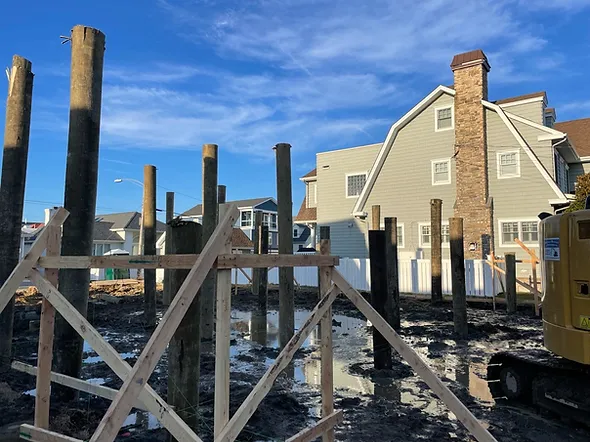
- Deep foundation systems: Piling or pier foundations provide stability in sandy or shifting soils.
- Ventilated crawl spaces: Good airflow prevents moisture buildup and reduces the risk of mold and rot.
Frequently Asked Questions
What are the most important maintenance tasks for extending a coastal home’s lifespan?
Key tasks include rinsing salt from exterior surfaces, inspecting and sealing windows and doors, maintaining the roof and gutters, and checking metal fixtures for corrosion. Regular attention to these areas helps prevent long-term damage and supports overall durability.
How can I protect my home’s plumbing from salt air?
Use corrosion-resistant materials for pipes and fittings, and inspect exposed plumbing regularly. Applying protective coatings and scheduling periodic professional inspections can further reduce the risk of leaks and failures.
Are there eco-friendly materials suitable for coastal homes?
Yes, many recycled, renewable, and low-impact materials are designed to withstand coastal conditions. Fiber cement siding, composite decking, and sustainably sourced wood are all excellent choices for environmentally conscious homeowners.