
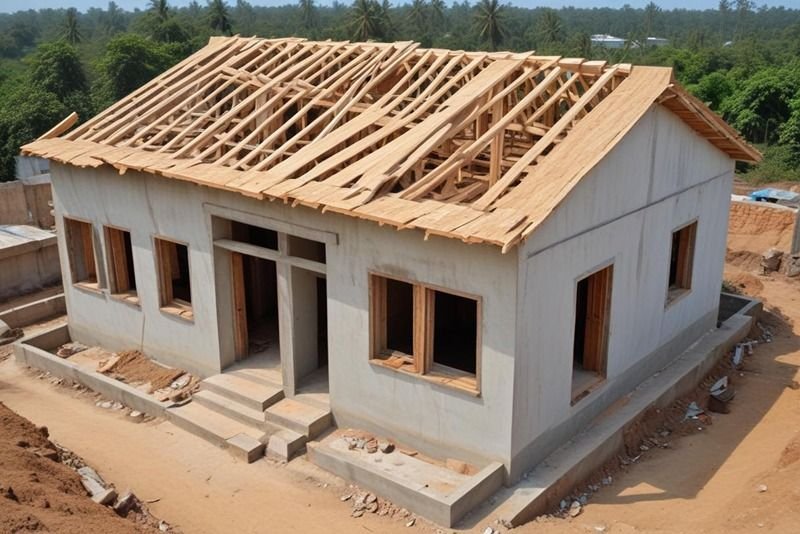
Building or renovating a home near the ocean comes with unique challenges. Salt-laden air, high humidity, intense sunlight, and frequent storms can quickly degrade traditional building materials. Selecting the right components is essential for ensuring longevity, safety, and comfort in these demanding environments. This coastal home materials guide offers practical advice on choosing resilient, low-maintenance materials that stand up to harsh coastal conditions.
If you’re planning a beachside retreat or updating an existing property, understanding which products perform best in these settings will help you avoid costly repairs and preserve your investment. For those who also enjoy the local lifestyle, our jupiter dog beach reviews for pet owners provide insights into making the most of coastal living with your furry friends.
Understanding Coastal Construction Challenges
Properties near the shoreline are constantly exposed to environmental stressors that accelerate wear and tear. Salt spray corrodes metals, moisture seeps into porous surfaces, and strong winds test the integrity of every exterior element. Choosing the right materials is not just about aesthetics—it’s about protecting your home from the elements and reducing long-term maintenance.
- Salt corrosion: Metals and fasteners are especially vulnerable to rust and degradation.
- Moisture intrusion: High humidity and driving rain can cause rot, mold, and structural damage.
- UV exposure: Intense sunlight fades finishes and weakens some plastics and composites.
- Wind and storms: Hurricanes and nor’easters demand wind-resistant designs and materials.
Best Exterior Materials for Coastal Homes
The exterior shell of your home is the first line of defense against harsh weather. Selecting the right siding, roofing, and trim is crucial for durability and curb appeal.
Resilient Siding Options
When it comes to siding, look for products engineered to resist moisture, salt, and sun. Fiber cement is a top choice, offering the look of wood with superior resistance to rot and insects. Engineered wood with water-resistant coatings can also perform well, but requires regular maintenance.
- Fiber cement: Non-combustible, rot-resistant, and available in many styles.
- Vinyl siding: Affordable and easy to clean, but may fade or become brittle over time.
- Stucco: When properly installed with waterproof barriers, stucco can provide good protection.
- Natural stone: Durable and attractive, but often more expensive and heavy.
Roofing Built for the Coast
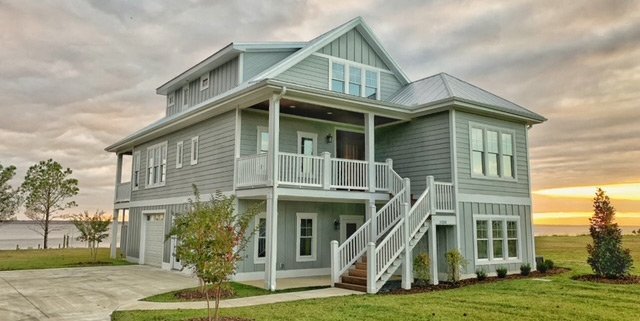
Roofs in seaside areas must withstand high winds, heavy rain, and salt exposure. Metal roofing, especially aluminum or coated steel, is a popular choice for its longevity and resistance to rust. Architectural shingles rated for high wind are another good option, but regular inspections are necessary.
- Metal roofing: Lightweight, reflective, and highly durable against salt and wind.
- Clay or concrete tiles: Excellent for resisting salt and UV, though heavier and more costly to install.
- Synthetic slate: Offers the look of natural stone with less weight and good durability.
Windows and Doors for Coastal Durability
Openings are vulnerable points in any structure. For homes near the ocean, impact-rated windows and doors with corrosion-resistant hardware are essential. Look for products with reinforced frames, laminated glass, and weatherstripping designed to block wind-driven rain.
- Vinyl or fiberglass frames: Resist swelling, warping, and corrosion.
- Stainless steel or brass hardware: Less likely to rust than standard steel.
- Impact glass: Provides protection from flying debris and improves energy efficiency.
Interior Materials That Withstand Moisture and Salt
The inside of a coastal residence also faces challenges from humidity and airborne salt. Choosing the right flooring, wall finishes, and cabinetry can prevent mold, warping, and premature aging.
Flooring Choices for Coastal Living
Floors should be easy to clean, resistant to moisture, and able to handle sand tracked in from the beach. Porcelain tile is a leading option, offering water resistance and a wide range of styles. Luxury vinyl plank (LVP) is another excellent choice for its durability and realistic wood appearance.
- Porcelain or ceramic tile: Impervious to water and easy to maintain.
- Luxury vinyl plank: Resists moisture, scratches, and dents.
- Sealed concrete: Modern look and highly durable in damp environments.
- Engineered hardwood: Only when specifically rated for high humidity areas.
Wall and Ceiling Materials
For walls and ceilings, moisture-resistant drywall (often called “green board”) is a smart upgrade. In bathrooms and kitchens, cement board or tile backer board provides extra protection. Paints and finishes should be mildew-resistant and formulated for high-humidity spaces.
Cabinetry and Built-Ins
Kitchens and bathrooms benefit from cabinetry made of marine-grade plywood or high-density fiberboard with water-resistant finishes. Avoid particleboard, which can swell and deteriorate quickly in humid conditions.
Hardware, Fasteners, and Finishes for the Coast
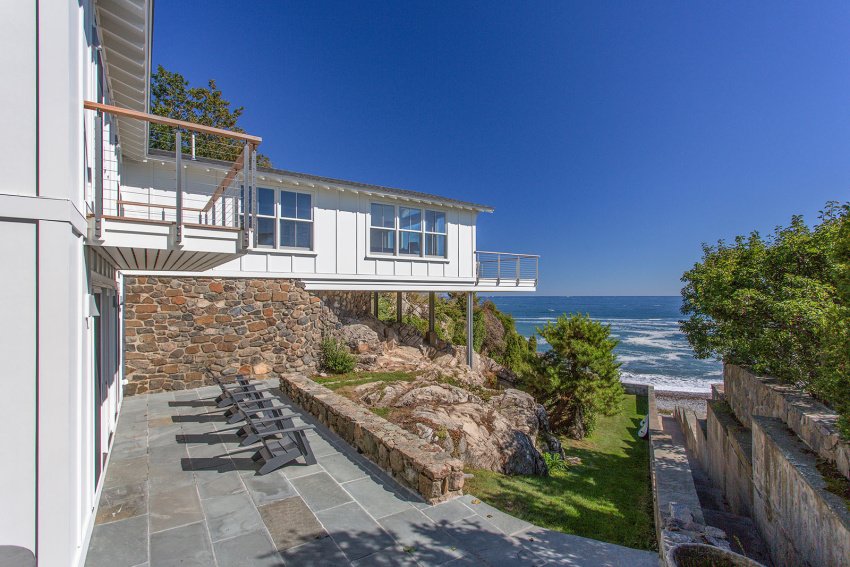
Even the best building materials can fail if fasteners and finishes are not up to the task. Stainless steel, hot-dipped galvanized, or brass fasteners are essential for resisting corrosion. Exterior paints, stains, and sealants should be rated for marine or coastal use to prevent peeling and fading.
- Stainless steel fasteners: Ideal for decks, railings, and exterior trim.
- Marine-grade paints and sealants: Provide extra protection against salt and moisture.
- Powder-coated finishes: On metal railings and fixtures, these resist chipping and rust.
Maintenance Tips for Longevity
Even with the best materials, regular upkeep is necessary to keep your home in top condition. Rinse exterior surfaces with fresh water to remove salt buildup, inspect caulking and seals annually, and touch up paint or stain as needed. Early intervention prevents minor issues from becoming major repairs.
Expert Advice and Additional Resources
For more in-depth information on best practices, consult resources like this comprehensive guide to coastal construction. Working with architects and builders who have experience in your region ensures that your home is designed and built to local codes and environmental realities.
FAQ: Coastal Building Materials and Maintenance
What are the most important features to look for in materials for homes near the ocean?
Focus on products that offer high resistance to moisture, salt, and UV exposure. Materials like fiber cement siding, metal roofing, impact-rated windows, and stainless steel fasteners are all excellent choices for coastal environments.
How can I reduce maintenance on my beachside property?
Choose low-maintenance materials, rinse surfaces regularly to remove salt, and schedule annual inspections of key areas such as roofing, windows, and exterior paint. Promptly address any signs of corrosion or water intrusion.
Are there eco-friendly options for coastal construction?
Yes, many sustainable materials perform well in harsh climates. Look for recycled-content composite decking, low-VOC paints, and energy-efficient windows. These options not only protect your home but also reduce environmental impact.
Building or renovating in a coastal area requires careful planning and the right materials. By following the recommendations in this coastal home materials guide, you can create a durable, beautiful home that stands up to the elements and provides lasting value for years to come.