
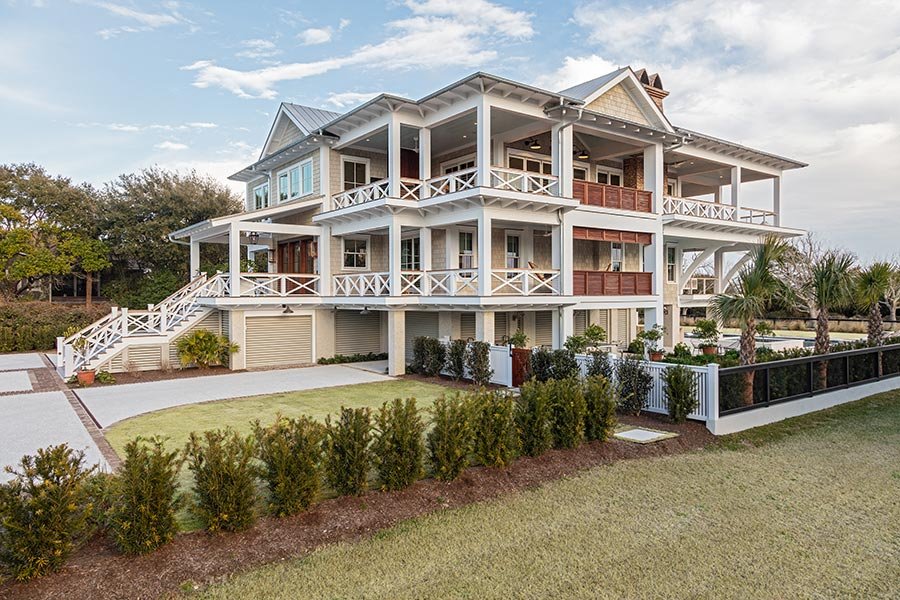
Living by the ocean offers stunning views and a refreshing climate, but it also brings unique challenges for homeowners—especially when it comes to maintaining metal fixtures and structures. The combination of salty air, humidity, and frequent storms can accelerate corrosion, leading to costly repairs if not addressed proactively. Understanding the best practices for coastal home metal protection helps ensure the longevity and safety of your property.
Whether you’re building a new residence or maintaining an existing one, taking steps to guard against salt-induced damage is essential. From choosing the right materials to implementing regular maintenance routines, homeowners can significantly reduce the impact of the coastal environment on metal surfaces and structural components.
For those interested in foundational strategies, our coastal home piling installation resource provides valuable insights into building resilience from the ground up.
Understanding the Effects of Salt Air on Metal
Salt air is notorious for its corrosive properties. When salt particles are carried by ocean breezes, they settle on exposed metal surfaces. Combined with moisture from humidity or rain, this creates an environment where oxidation and rust can develop rapidly. Over time, this process weakens metal, affecting everything from railings and fasteners to roofing and support beams.
The severity of corrosion depends on several factors:
- Proximity to the shoreline
- Type of metal used
- Frequency of maintenance
- Local climate conditions
Recognizing these variables is the first step toward effective coastal home metal protection.
Choosing the Right Materials for Salt Air Environments
Material selection plays a critical role in defending against corrosion. Not all metals perform equally well in coastal settings. Here are some of the most reliable choices:
- Stainless Steel (Marine Grade 316): This alloy contains molybdenum, which enhances its resistance to pitting and corrosion from salt.
- Aluminum: Naturally forms a protective oxide layer, making it lightweight and less prone to rust.
- Galvanized Steel: Coated with a layer of zinc, it offers moderate protection but may require additional coatings for long-term use.
- Copper and Bronze: These metals develop a patina that shields them from further corrosion, though they can discolor over time.
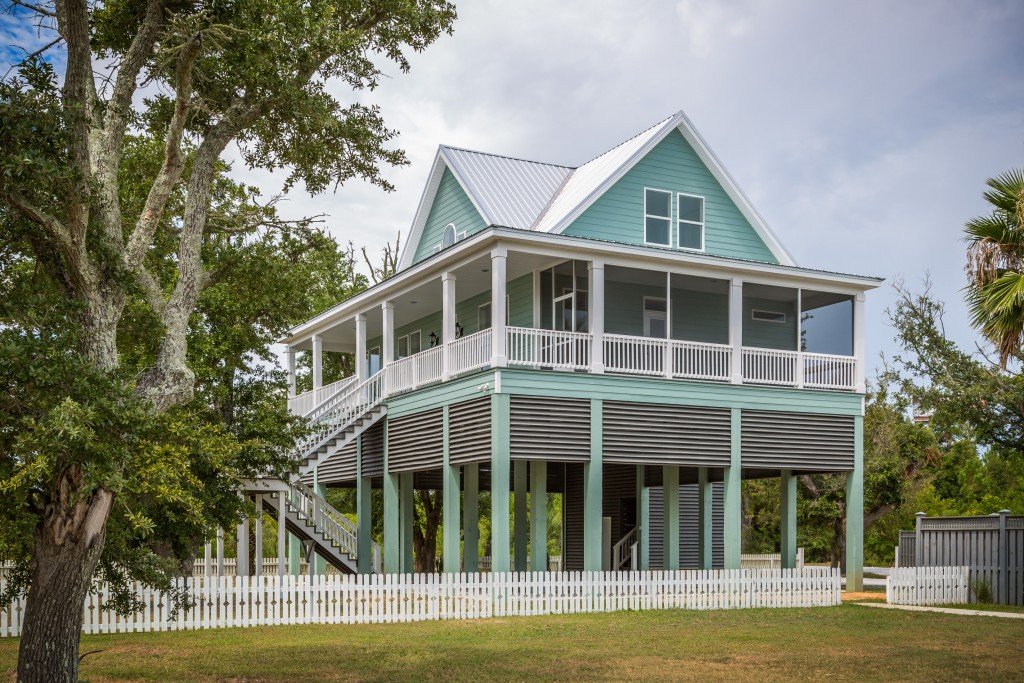
When possible, opt for materials specifically rated for marine or coastal use. Consulting with professionals familiar with eco friendly coastal building materials can further enhance your home’s durability. For more on sustainable options, see our eco friendly coastal building materials guide.
Protective Coatings and Treatments for Metal Surfaces
Even the most resilient metals benefit from additional layers of defense. Applying protective coatings is a proven strategy for extending the life of metal components in oceanfront homes. Common options include:
- Powder Coating: This process involves applying a dry powder that is cured under heat, forming a tough, uniform layer resistant to chipping and corrosion.
- Epoxy Paints: Epoxy-based paints create a durable barrier that blocks moisture and salt from reaching the metal.
- Galvanization: As mentioned, this adds a zinc coating to steel, but it can also be used in combination with paint or powder coatings for extra protection.
- Wax or Oil-Based Treatments: These are often used for smaller fixtures and hardware, providing a temporary shield against salt exposure.
Regular inspection and reapplication of these coatings are essential for maintaining their effectiveness. Areas with frequent abrasion or direct exposure to spray may require more frequent touch-ups.
Maintenance Routines for Long-Term Metal Protection
Consistent upkeep is key to preserving metal elements in a seaside home. Here are some maintenance best practices:
- Rinse Metal Surfaces: Use fresh water to wash away salt deposits, especially after storms or windy days.
- Inspect for Early Signs of Corrosion: Look for discoloration, flaking, or bubbling paint, and address these issues promptly.
- Lubricate Moving Parts: Hinges, locks, and sliding doors benefit from regular lubrication to prevent salt buildup and sticking.
- Reapply Coatings: Follow manufacturer recommendations for recoating intervals, and don’t wait until visible damage appears.
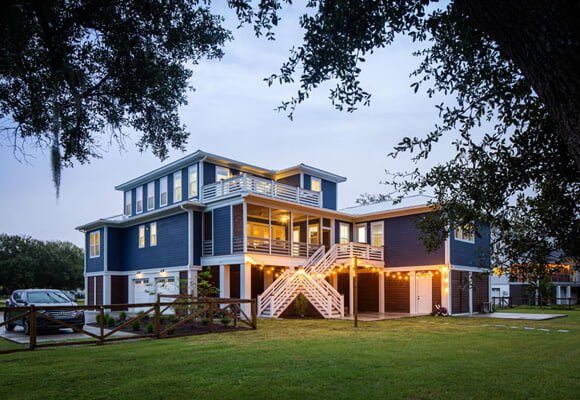
Proactive care not only extends the lifespan of metal features but also helps maintain your property’s appearance and value.
Design Considerations for Enhanced Durability
Smart architectural choices can further minimize the impact of salt air. When planning new construction or renovations, consider the following:
- Elevate Metal Components: Position railings, fasteners, and supports away from direct splash zones.
- Promote Drainage: Ensure that water does not pool on or around metal surfaces.
- Use Covered or Recessed Installations: Where possible, shield metal fixtures from direct exposure to wind and spray.
- Minimize Dissimilar Metals: Avoid mixing metals that can cause galvanic corrosion when in contact with each other.
These strategies, combined with robust coastal home metal protection measures, can significantly reduce maintenance demands over time.
Additional Resources and Best Practices
Staying informed about advances in construction techniques and materials is crucial for coastal homeowners. For further reading on building resilience in oceanfront settings, see this comprehensive overview of best practices for coastal construction.
Integrating solar energy or seawall construction can also play a role in your home’s overall resilience. Explore our guides on coastal home solar integration and coastal home seawall construction for more ways to protect and enhance your property.
Frequently Asked Questions
What metals are best suited for oceanfront homes?
The most reliable metals for coastal environments are marine-grade stainless steel (such as 316), aluminum, and copper alloys. These materials offer strong resistance to corrosion and are commonly used in exterior fixtures, railings, and hardware.
How often should I clean metal surfaces exposed to salt air?
It’s recommended to rinse exposed metal with fresh water at least once a month, and more frequently during periods of high humidity or after storms. Regular cleaning removes salt deposits and helps prevent the onset of rust and corrosion.
Are there building codes or insurance requirements related to metal protection in coastal areas?
Many coastal regions have specific building codes that address material selection and corrosion resistance. Additionally, insurance providers may require certain protective measures for coverage. For more details, review our coastal home insurance requirements resource.