
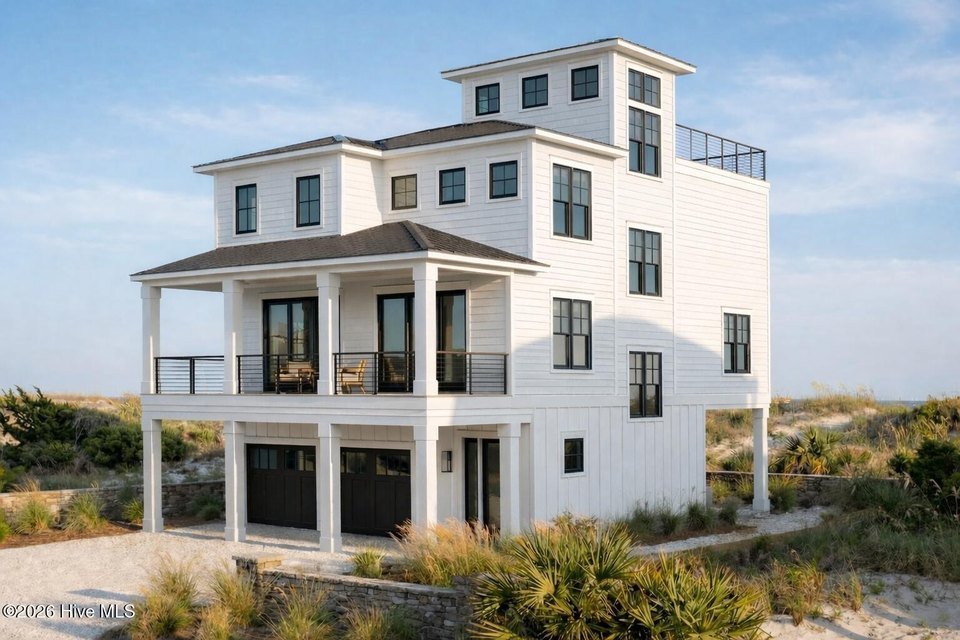
Living by the ocean offers beautiful views and a refreshing climate, but it also brings unique challenges for homeowners. One of the most persistent issues is the risk of mold growth due to high humidity, salt air, and frequent storms. Understanding how to protect your property from moisture and mold is essential for maintaining a healthy, comfortable environment. This guide shares practical strategies for coastal home mold prevention, helping you safeguard your investment and improve indoor air quality.
If you’re planning to build or renovate a property near the shore, it’s also important to consider coastal construction best practices to enhance durability and reduce future maintenance needs.
Why Mold Is a Major Concern for Coastal Properties
Homes near the ocean are exposed to consistently high humidity, salt spray, and occasional flooding. These factors create an ideal environment for mold spores to thrive. Mold not only damages building materials but can also trigger allergies and respiratory issues. Preventing mold in a seaside home requires a proactive approach, combining smart design, regular maintenance, and vigilant monitoring.
Building and Design Choices That Help Prevent Mold
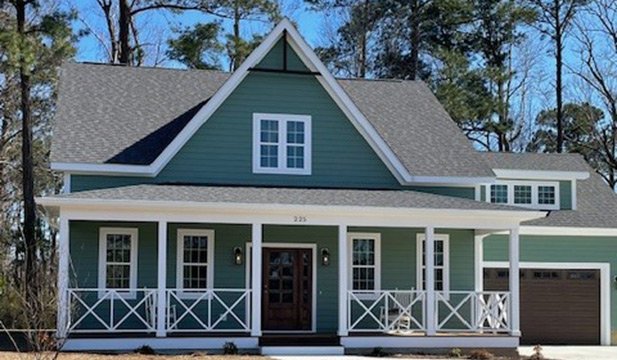
The foundation of effective coastal home mold prevention starts with construction and material selection. Here are some essential considerations:
- Choose Mold-Resistant Materials: Use products like mold-resistant drywall, treated lumber, and moisture-resistant insulation. These materials are designed to withstand damp conditions and inhibit spore growth.
- Elevate the Structure: Building on pilings or raised foundations helps prevent water intrusion during storms or high tides.
- Install Proper Drainage: Ensure the site slopes away from the building and that gutters, downspouts, and French drains are in place to direct water away from the foundation.
- Seal Openings: Use high-quality caulking and weatherstripping around windows, doors, and vents to keep moisture out.
For more details on construction approaches that reduce mold risk, see this overview of coastal house construction basics.
Ventilation and Moisture Control Strategies
Proper airflow is one of the most effective ways to keep humidity in check and discourage mold. Consider these steps:
- Install Exhaust Fans: Place fans in bathrooms, kitchens, and laundry rooms to remove excess moisture at the source.
- Use Dehumidifiers: In especially humid climates, a whole-house dehumidifier or portable units can keep indoor humidity below 60%, which is ideal for mold prevention.
- Maintain HVAC Systems: Clean and service air conditioning units regularly, and replace filters to ensure efficient moisture removal.
- Open Windows When Possible: Allowing cross-ventilation on dry days helps reduce trapped moisture indoors.
Routine Maintenance for Ongoing Mold Protection

Even with the best construction and ventilation, regular upkeep is vital for mold prevention in coastal homes. Key maintenance tasks include:
- Inspect for Leaks: Check roofs, plumbing, and windows for signs of water intrusion, especially after storms.
- Clean Gutters and Downspouts: Remove debris to ensure water flows away from the house.
- Monitor Humidity Levels: Use a hygrometer to keep track of indoor moisture and adjust dehumidifiers as needed.
- Address Water Damage Promptly: Dry and repair any areas affected by leaks or flooding within 24–48 hours to prevent mold from taking hold.
- Wash and Disinfect Surfaces: Regularly clean bathrooms, kitchens, and other damp-prone areas with mold-inhibiting solutions.
Landscaping and Exterior Solutions for Mold Defense
The area surrounding your property plays a significant role in moisture management. Here’s how to optimize your landscaping for coastal home mold prevention:
- Grade the Land: Ensure soil slopes away from the foundation to prevent pooling water.
- Use Gravel or Permeable Surfaces: These materials allow rainwater to drain quickly, reducing the risk of standing water near your home.
- Trim Vegetation: Keep shrubs and trees away from siding and roofs to promote airflow and reduce trapped moisture.
- Maintain Exterior Paint and Sealants: Regularly check and refresh protective coatings to keep moisture out.
Recognizing Early Signs of Mold and Taking Action
Early detection is crucial for minimizing damage and health risks. Watch for these indicators:
- Musty Odors: Persistent earthy smells often signal hidden mold growth.
- Visible Spots: Look for black, green, or white patches on walls, ceilings, or around windows.
- Peeling Paint or Wallpaper: Bubbling or flaking can indicate moisture behind surfaces.
- Increased Allergy Symptoms: Sneezing, coughing, or eye irritation may worsen in the presence of mold.
If you notice any of these signs, act quickly. Remove and replace affected materials if necessary, and consult a professional for large or persistent problems.
Expert Resources and Further Reading
For more in-depth advice on building and maintaining a resilient property by the sea, explore this comprehensive guide to building your dream coastal home. You’ll find tips on design, materials, and long-term care that complement the mold prevention strategies discussed here.
If you’re curious about the fundamentals of seaside construction, check out this article on what is coastal home construction for a broader understanding of the challenges and solutions unique to these environments.
FAQ: Mold Prevention in Oceanfront Homes
What humidity level should I maintain to prevent mold in a seaside property?
Aim to keep indoor humidity below 60%. Using dehumidifiers, air conditioning, and proper ventilation can help achieve this target and reduce the risk of mold growth.
How often should I inspect my home for signs of mold?
It’s best to check for leaks, water stains, and musty odors at least once a month, and always after heavy storms or flooding. Early detection allows for prompt action and minimizes damage.
Are there specific building materials that help prevent mold in coastal homes?
Yes, materials like mold-resistant drywall, treated wood, and moisture-resistant insulation are highly recommended. These products are designed to withstand the damp, salty environment typical of oceanfront properties.
Can landscaping really make a difference in mold prevention?
Absolutely. Proper grading, drainage, and vegetation management help keep water away from your foundation and reduce moisture buildup, which is essential for keeping mold at bay.
By combining smart building choices, regular maintenance, and proactive moisture control, you can enjoy the benefits of coastal living while minimizing the risks associated with mold. Stay vigilant, address issues promptly, and your home will remain a healthy, inviting retreat for years to come.