
Building a resilient home near the shoreline requires careful planning and specialized construction techniques. One of the most critical steps in this process is coastal home piling installation. Properly installed pilings form the foundation that helps homes withstand harsh marine environments, resist flooding, and remain stable on shifting soils. Whether you are planning a new build or upgrading an existing property, understanding the essentials of this process is key to ensuring long-term durability and safety.
This article offers a comprehensive overview of the piling installation process for coastal residences. You’ll find practical insights on types of pilings, site preparation, installation steps, and maintenance tips. For a broader look at building in these environments, you may also want to explore coastal construction best practices to further enhance your project’s resilience.

Why Pilings Are Essential for Coastal Properties
Coastal regions present unique challenges for builders. High water tables, shifting sands, and the threat of storm surges make traditional foundations unsuitable. Instead, pile foundations for coastal homes are designed to elevate structures above flood levels and anchor them securely in unstable soils. This approach not only protects the property from water damage but also helps prevent settlement and structural movement over time.
In many coastal zones, local building codes mandate the use of pilings to comply with floodplain management and hurricane resistance standards. The right foundation can also help reduce insurance costs and improve resale value.
Types of Pilings Used in Shoreline Construction
Selecting the appropriate piling material is a crucial decision in the installation process for coastal home pilings. The most common types include:
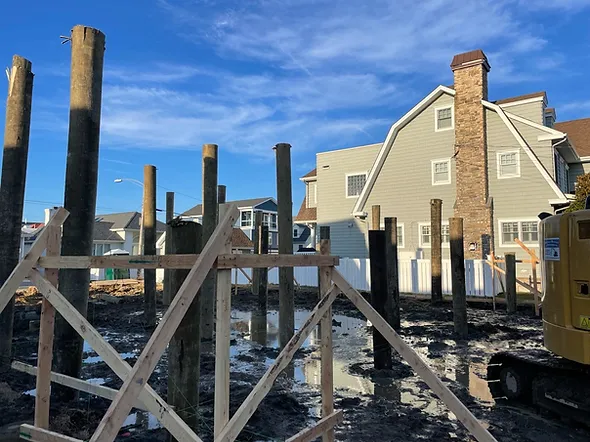
- Timber Pilings: Pressure-treated wood is a traditional choice, valued for its flexibility and cost-effectiveness. However, it may be vulnerable to marine borers and rot if not properly treated.
- Concrete Pilings: Precast or poured-in-place concrete offers excellent durability and resistance to corrosion, making it a popular option for modern coastal construction.
- Steel Pilings: These provide high load-bearing capacity and are often used in areas with particularly challenging soil conditions. Protective coatings are essential to prevent rust in saltwater environments.
- Composite Pilings: Made from fiberglass or recycled materials, these are increasingly used for their longevity and minimal maintenance requirements.
The choice depends on site conditions, budget, expected loads, and local regulations. For more information on selecting the right materials, see this guide to essential building materials for coastal homes.
Site Assessment and Preparation for Piling Foundations
Before any installation begins, a thorough site evaluation is essential. Geotechnical engineers analyze soil composition, bearing capacity, and water table levels to determine the most suitable piling type and depth. This assessment helps prevent costly mistakes and ensures the foundation will perform as intended.
Site preparation involves clearing vegetation, marking the building footprint, and setting up access for heavy equipment. In some cases, temporary dewatering or shoring may be required to stabilize the area during construction.
Step-by-Step Process of Installing Pilings for Coastal Homes
The coastal home piling installation process typically follows these steps:
- Survey and Layout: Surveyors mark the exact locations for each pile based on engineered plans.
- Driving or Boring: Depending on the chosen material, pilings are either driven into the ground using pile drivers or installed in pre-drilled holes. The depth is determined by soil conditions and required load capacity.
- Cutting and Capping: Once installed, pilings are cut to the correct elevation. Concrete or steel caps are added to distribute structural loads and connect the foundation to the rest of the home.
- Inspection: Local authorities or independent inspectors verify that all pilings meet code requirements and project specifications.
- Superstructure Construction: With the foundation in place, builders proceed with framing and the rest of the home’s construction.

Key Considerations for Successful Shoreline Piling Projects
Several factors influence the success of a piling foundation in a marine environment:
- Environmental Impact: Construction near sensitive habitats requires careful planning to minimize disruption to local ecosystems and comply with environmental regulations.
- Permitting: Coastal projects often require permits from multiple agencies, including local, state, and federal authorities. Early engagement with regulators helps avoid delays.
- Weather and Tides: Scheduling work around tides and storm seasons reduces risks and protects both workers and materials.
- Material Protection: Pilings exposed to saltwater and marine organisms need protective treatments or coatings to extend their lifespan.
For a foundational understanding of the building process, you might find coastal house construction basics helpful as you plan your project.
Maintaining and Inspecting Pile Foundations
Regular maintenance is vital to ensure the longevity of your coastal home’s foundation. Inspections should be scheduled annually and after major storms to check for signs of settlement, corrosion, or marine borer activity. Early detection of issues allows for timely repairs, preventing more extensive damage.
Maintenance tasks may include:
- Applying protective coatings to steel or timber pilings
- Replacing damaged caps or connectors
- Monitoring for erosion around the base of the pilings
- Documenting any changes in alignment or elevation
Proactive care not only extends the life of your investment but also ensures continued compliance with insurance and regulatory requirements.
Frequently Asked Questions
What is the typical lifespan of pilings in a coastal environment?
The lifespan of pilings depends on the material used and the level of exposure to saltwater and marine organisms. Properly treated timber pilings can last 30–50 years, while concrete and composite options may exceed 75 years with regular maintenance.
How deep should pilings be installed for a shoreline home?
Depth requirements vary based on soil conditions and local building codes. In general, pilings are driven or bored until they reach stable, load-bearing strata, which can range from 10 to over 40 feet deep in some locations.
Are there special permits required for installing pilings near the coast?
Yes, most coastal areas require permits from local, state, and sometimes federal agencies. These permits ensure that construction meets environmental, safety, and zoning standards. Consulting with a local expert early in the planning process is highly recommended.
Can existing homes be retrofitted with new pilings?
In many cases, older homes can be elevated and supported with new pilings, though the process is complex and requires specialized contractors. Retrofitting can improve flood resistance and extend the usable life of the property.
For a step-by-step overview of the entire building process in these environments, see how to build a coastal home.