
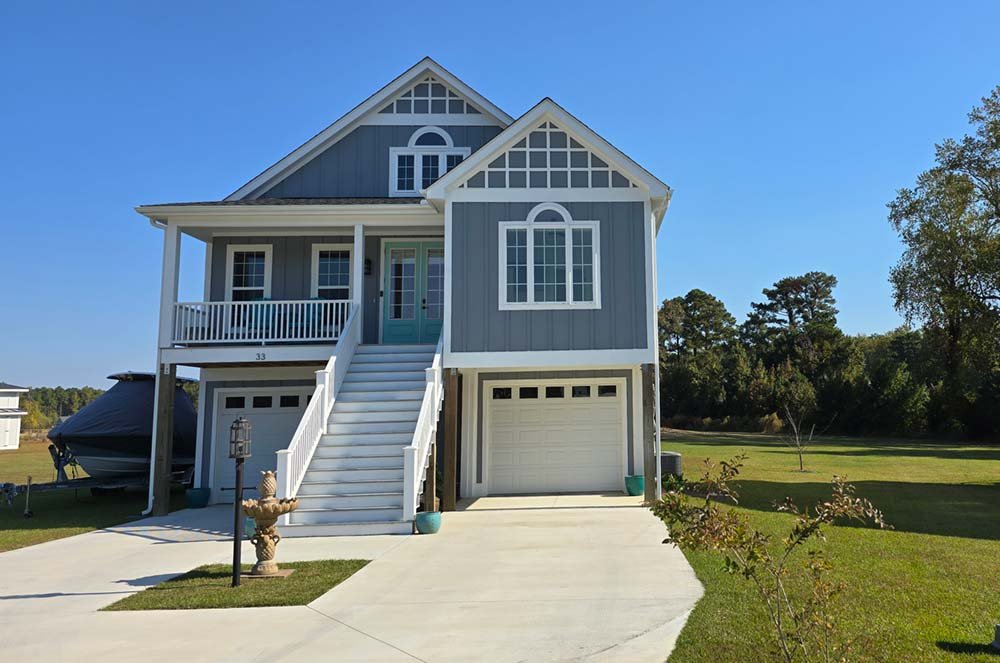
Living near the ocean brings unique rewards, but it also comes with distinct challenges for homeowners—especially when it comes to maintaining your plumbing system. The combination of salty air, high humidity, and shifting soil can accelerate wear and tear on pipes and fixtures. Understanding how to safeguard your property’s plumbing is essential for anyone residing along the coast. This article offers practical advice and proven strategies to help you keep your water systems running smoothly and avoid costly repairs.
If you’re planning a new build or renovation, integrating best practices from the start can make a significant difference. For those interested in foundational construction advice, consider reviewing the coastal home piling installation guide for insights on building resilience from the ground up.
Understanding the Coastal Environment’s Impact on Plumbing
Coastal homes face environmental pressures that inland properties rarely encounter. Salty air, high winds, and fluctuating moisture levels can all contribute to the premature deterioration of plumbing materials. Over time, salt can corrode metal pipes and fittings, while sand and silt may infiltrate water lines, causing blockages or abrasion. Recognizing these risks is the first step toward effective coastal home plumbing protection.
Choosing the Right Materials for Longevity
Material selection plays a crucial role in defending your plumbing system against coastal conditions. Opt for corrosion-resistant options such as PEX, CPVC, or high-grade stainless steel for pipes and fixtures. These materials are less likely to degrade in salty, humid environments and can significantly extend the lifespan of your plumbing.
When selecting fixtures, look for products specifically rated for marine or coastal use. These are designed to withstand the harsh elements and minimize maintenance needs. Pairing the right materials with regular inspections will help you avoid unexpected failures.

Regular Maintenance and Inspection Strategies
Preventive care is essential for any plumbing system, but it’s especially critical near the ocean. Schedule annual inspections with a licensed plumber who understands the demands of coastal living. They can check for early signs of corrosion, leaks, or mineral buildup that might otherwise go unnoticed.
- Flush your water heater every six months to remove sediment and prevent rust.
- Inspect outdoor faucets and hose bibs for corrosion or leaks.
- Check under sinks and around appliances for dampness or discoloration.
- Replace worn washers and seals promptly to avoid water waste and damage.
Protecting Plumbing from Storms and Flooding
Storm surges and heavy rains can overwhelm drainage systems and threaten plumbing infrastructure. To prepare, install backflow preventers on all exterior drains and sump pumps in low-lying areas. These devices help keep seawater and floodwater from entering your home’s plumbing.
Elevate critical plumbing components, such as water heaters and pressure tanks, above potential flood levels. If your property is especially vulnerable, consider consulting a professional about additional waterproofing measures or relocating sensitive equipment.

Water Quality and Filtration Solutions
Coastal water supplies often contain higher levels of minerals, sand, and even salt, which can accelerate wear on pipes and fixtures. Installing a whole-house filtration system is a smart move for long-term plumbing protection in coastal homes. These systems remove particulates and reduce the corrosive effects of minerals, helping to preserve your plumbing and improve water quality.
Regularly replace filter cartridges and monitor water pressure to ensure your filtration system is working effectively. If you notice changes in taste, odor, or water clarity, have your water tested and consult a professional for further recommendations.
Preventing Pipe Freezing and Bursts in Coastal Climates
While freezing temperatures are less common in many coastal regions, sudden cold snaps can still occur. Insulate exposed pipes, especially those in crawl spaces, attics, or exterior walls. Use foam pipe sleeves or heat tape to provide extra protection during colder months.
If a freeze is forecasted, let faucets drip slightly to keep water moving and reduce the risk of burst pipes. After a cold spell, inspect your plumbing for leaks or cracks that may have developed.
Landscaping and Drainage Considerations
The way your yard is landscaped can have a significant impact on your plumbing’s durability. Ensure that soil slopes away from your home to prevent water from pooling near the foundation. Plant trees and shrubs with non-invasive root systems to avoid damage to underground pipes.
Installing French drains or swales can help manage runoff and protect your plumbing from erosion or shifting soil. Proper drainage is especially important in areas prone to heavy rain or flooding.
Integrating Plumbing with Other Coastal Home Systems
Modern coastal homes often incorporate eco-friendly features and renewable energy solutions. When planning upgrades, coordinate your plumbing improvements with other systems for maximum efficiency. For example, if you’re considering solar panels, check out the coastal home solar integration guide for tips on seamless installation.
Using sustainable materials and smart design choices can further enhance your home’s resilience. For more ideas, the eco friendly coastal building materials resource provides valuable insights.
Expert Resources and Further Reading
Staying informed about the latest building practices is key to maintaining a durable and efficient plumbing system. For an in-depth look at construction considerations unique to the shoreline, visit this comprehensive guide on building a coastal home.
Additionally, understanding insurance requirements and seawall construction can further protect your investment. Explore the coastal home insurance requirements and coastal home seawall construction articles for more details.
Frequently Asked Questions
What are the most common plumbing issues in homes near the coast?
The most frequent problems include corrosion of metal pipes and fixtures due to salty air, mineral buildup from hard water, and blockages caused by sand or silt entering the water supply. Regular inspections and using corrosion-resistant materials can help prevent these issues.
How can I tell if my plumbing is being damaged by the coastal environment?
Signs of damage include visible rust or greenish stains on pipes, reduced water pressure, leaks, and an increase in plumbing repairs. If you notice any of these symptoms, have a professional plumber assess your system for underlying issues.
Are there specific plumbing materials recommended for coastal homes?
Yes, materials like PEX, CPVC, and high-grade stainless steel are highly recommended for their resistance to corrosion and durability in humid, salty environments. Always choose fixtures and fittings rated for marine or coastal applications when possible.