
Rebuilding a coastal home after a hurricane is a complex process that requires careful planning, specialized knowledge, and a focus on resilience. Homeowners face unique challenges in these environments, from saltwater corrosion and high winds to strict building codes and insurance hurdles. Understanding the essential steps and best practices for coastal home rebuilding after hurricane events can help ensure a safer, stronger, and more sustainable recovery.
Whether you are navigating insurance claims, choosing materials, or working with contractors, this guide provides practical information to help you rebuild with confidence. For those also interested in budgeting and cost considerations, you may find the coastal home construction cost breakdown resource helpful as you plan your project.
Initial Assessment and Safety Precautions
The first step after a hurricane is to ensure the safety of everyone involved. Before entering your property, check for hazards such as downed power lines, gas leaks, unstable structures, and contaminated water. It is often necessary to have a professional inspection to identify hidden dangers and structural issues.
- Wait for official clearance from local authorities before returning.
- Document all visible damage with photos and videos for insurance purposes.
- Wear protective gear, including gloves, boots, and masks, when entering the property.
Managing Insurance and Financial Planning
Navigating insurance claims is a critical part of the rebuilding process. Contact your insurance provider as soon as possible to start your claim. Provide thorough documentation, including photos, receipts, and a detailed inventory of damaged items. Keep a record of all communications with your insurer.
In addition to insurance, explore federal, state, or local disaster relief programs that may offer grants or low-interest loans. Financial planning is essential, as rebuilding costs in coastal areas can be higher due to specialized materials and labor. For further guidance on repairs after water damage, the coastal home repair after flooding article offers additional insights.
Choosing the Right Team for Coastal Home Rebuilding
Selecting experienced professionals is vital for a successful recovery. Look for contractors, architects, and engineers with a proven track record in coastal home rebuilding after hurricane events. These experts understand the unique demands of building in hurricane-prone regions, including compliance with updated codes and resilient design strategies.
- Verify licenses, insurance, and references for all contractors.
- Request detailed written estimates and timelines.
- Consider working with local professionals familiar with regional regulations and suppliers.
Designing for Resilience and Future Storms
Modern coastal construction emphasizes resilience to minimize future hurricane damage. This involves using materials and techniques that withstand high winds, flooding, and salt exposure. Key strategies include:
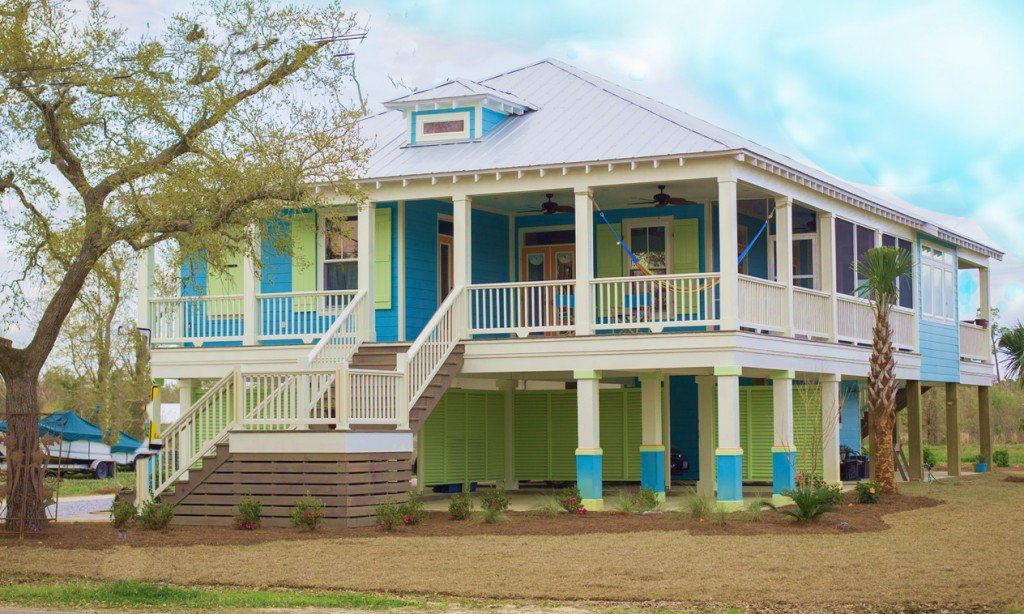
- Elevating the structure above base flood elevation requirements.
- Installing impact-resistant windows and doors.
- Using corrosion-resistant fasteners and connectors.
- Reinforcing roofs and walls to resist wind uplift and water intrusion.
- Choosing exterior finishes designed for harsh coastal climates.
For more ideas on adapting your home for safety and longevity, the coastal home remodeling guide explores additional strategies to enhance structural integrity.
Permitting, Codes, and Regulatory Considerations
Rebuilding in coastal zones requires strict adherence to local, state, and federal regulations. Building codes are frequently updated after major storms to improve safety standards. Before starting construction, obtain all necessary permits and ensure your plans meet or exceed current requirements.
- Consult with local building departments to understand zoning and setback rules.
- Review FEMA flood maps and guidelines for your area.
- Work with professionals who stay up-to-date on code changes and best practices.
For a deeper dive into resilient design, the guide to constructing resilient homes in coastal areas offers valuable international perspectives and practical tips.
Material Selection and Construction Techniques
The choice of materials plays a major role in the durability of a rebuilt coastal residence. Opt for products specifically engineered for marine environments and hurricane resistance. Some recommended options include:
- Fiber cement siding and metal roofing for longevity and wind resistance.
- Pressure-treated lumber and stainless steel hardware to combat corrosion.
- Closed-cell spray foam insulation for moisture control and structural strength.
- Non-porous flooring materials such as tile or sealed concrete.
Construction methods should also reflect the realities of coastal living. Techniques such as continuous load paths, hurricane ties, and flood vents help protect the structure during extreme weather. For ongoing upkeep, the coastal home maintenance guide provides advice on preserving your investment in the long term.
Restoring Utilities and Essential Services
After major storm damage, restoring power, water, and sewage systems is a priority. Always have licensed professionals inspect and repair these systems to ensure safety and compliance. Consider upgrades such as surge protection, backup generators, and elevated HVAC units to reduce future risks.
- Test all electrical systems before use and replace damaged wiring.
- Inspect plumbing for leaks, contamination, and saltwater intrusion.
- Evaluate septic systems and drainage to prevent future flooding.
Landscaping and Exterior Protection
The surrounding environment can impact the resilience of your rebuilt home. Choose native, salt-tolerant plants and design landscaping to direct water away from the foundation. Install barriers such as seawalls or berms where permitted, and use gravel or permeable surfaces to reduce erosion.
Regular exterior maintenance, including cleaning gutters and inspecting for signs of corrosion, helps extend the life of your home. For more advice on adapting to harsh conditions, see the coastal home renovation tips article.
Frequently Asked Questions
What are the most important steps to take immediately after a hurricane damages a coastal home?
Ensure personal safety first, then document all damage with photos and videos. Contact your insurance provider promptly, secure the property to prevent further loss, and consult professionals for a thorough assessment before starting any repairs.
How can I make my rebuilt coastal home more resilient to future hurricanes?
Use hurricane-resistant materials, elevate the structure, install impact-rated windows and doors, and follow the latest building codes. Work with experienced contractors who specialize in coastal home rebuilding after hurricane events to incorporate best practices for storm resistance.
Are there financial assistance programs available for rebuilding after a hurricane?
Yes, in addition to insurance, homeowners may qualify for federal disaster relief, state grants, or low-interest loans. Check with local authorities and disaster recovery agencies for available programs and eligibility requirements.
Conclusion
Recovering from a hurricane in a coastal area is a demanding process, but with the right approach, you can rebuild stronger and safer. Prioritizing resilient design, careful planning, and ongoing maintenance will help protect your investment and provide peace of mind for years to come.