
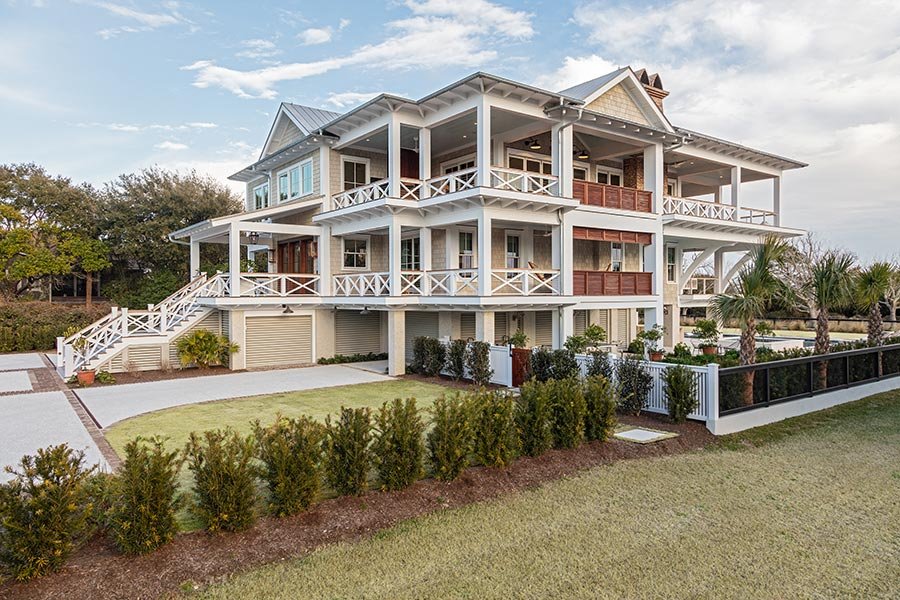
Living near the ocean offers stunning views and a unique lifestyle, but it also brings specific challenges when it comes to home renovations. Salt air, high winds, humidity, and the threat of storms all play a role in how you should approach upgrades and repairs. This coastal home remodeling guide is designed to help homeowners strengthen their properties, improve safety, and ensure their investment stands up to the demands of a seaside environment.
Whether you’re planning a full renovation or targeted improvements, understanding the right materials, construction techniques, and maintenance strategies is essential. By focusing on durability and resilience, you can protect your home from the harsh coastal elements and enjoy peace of mind for years to come. For more insights on adapting your property to challenging weather, you may also find these coastal home renovation tips helpful.
Understanding Coastal Hazards and Building Codes
Remodeling a home by the sea requires a clear understanding of the unique risks posed by the environment. Coastal properties are exposed to salt spray, high winds, flooding, and even storm surges. These factors can accelerate wear and tear, making it vital to prioritize safety and compliance with local building codes.
Most coastal regions enforce stricter construction standards to help homes withstand hurricanes, flooding, and erosion. Before starting any project, consult your local building authority to ensure your plans meet all regulations. This includes requirements for wind-resistant windows, reinforced roofing, and elevated foundations in flood-prone zones.
Choosing Durable Materials for Coastal Remodeling
Selecting the right materials is one of the most important steps in any coastal home remodeling guide. Traditional building products may not hold up well in salty, humid conditions. Instead, look for options specifically designed for resilience:
- Stainless steel, aluminum, and galvanized fasteners: These resist corrosion far better than standard steel.
- Fiber cement siding: This material is highly resistant to moisture, rot, and insects.
- Impact-rated windows and doors: These provide protection from windborne debris and help maintain the structural envelope during storms.
- Concrete or composite decking: Both offer superior durability compared to wood, which can warp or rot quickly in coastal climates.
- Marine-grade paints and sealants: These coatings help protect surfaces from salt and moisture intrusion.

Design Strategies for Enhanced Safety and Longevity
Beyond materials, smart design choices can make a significant difference in how well your home withstands coastal threats. Consider these approaches:
- Elevated structures: Raising your home above flood level is one of the most effective ways to prevent water damage.
- Sloped landscaping: Direct water away from the foundation to minimize erosion and flooding risks.
- Reinforced roofing systems: Use hurricane straps and clips to secure the roof structure against high winds.
- Storm shutters or impact glass: Protect windows and doors from flying debris during severe weather.
- Ventilation and moisture control: Proper airflow helps prevent mold and mildew, which are common in humid climates.
For ongoing upkeep, refer to this coastal home maintenance guide to extend the life of your improvements.
Protecting Plumbing and Metal Fixtures from Salt Air
Salt-laden air can be particularly harsh on plumbing and metal elements. Pipes, fixtures, and exterior hardware are all vulnerable to corrosion if not properly protected. To minimize damage:
- Choose PVC or PEX piping for plumbing, which resists corrosion better than copper or steel.
- Install protective coatings on exposed metal surfaces, including railings and outdoor lighting.
- Regularly inspect and maintain gutters, downspouts, and flashing to prevent rust and leaks.
- Consider using coastal home metal protection techniques to further safeguard your investment.
Storm Surge and Flood Protection Upgrades
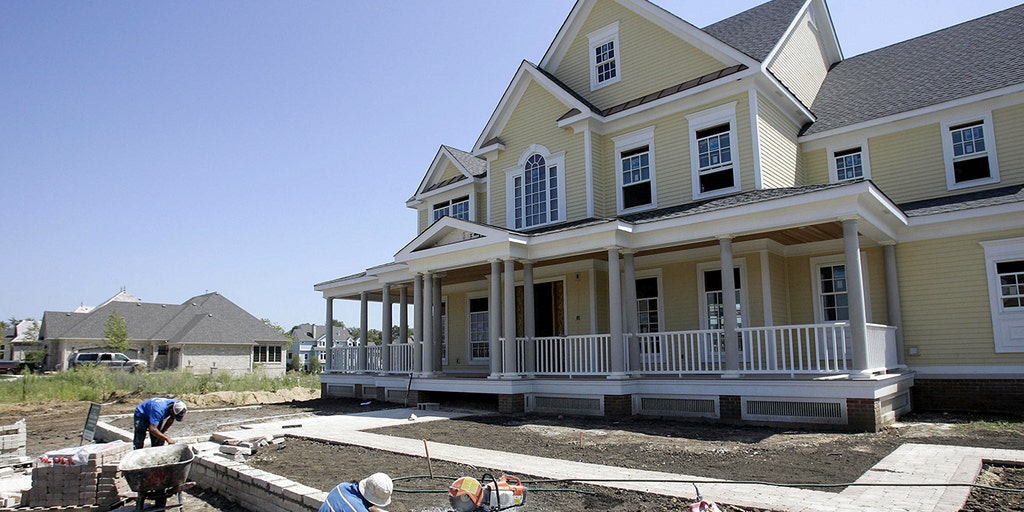
One of the most critical aspects of any coastal home remodeling guide is preparing for the possibility of storm surge and flooding. The right upgrades can help protect your property and family:
- Install flood vents in crawl spaces or garages to allow water to flow through rather than build up pressure.
- Seal foundations and lower-level walls with waterproof membranes to prevent seepage.
- Use breakaway walls in non-living areas to reduce structural damage during floods.
- Keep sandbags and emergency supplies accessible for rapid deployment during severe weather.
- Explore more coastal home storm surge protection strategies for comprehensive safety.
Expert Advice and Additional Resources
Consulting with professionals who specialize in coastal construction is always recommended. They can help you navigate local codes, select the best materials, and design solutions tailored to your specific location. For further reading, the article what to consider when building a coastal home provides valuable insights into best practices and common pitfalls.
Remember, regular maintenance is just as important as the initial remodel. Keeping up with inspections, repairs, and protective treatments will ensure your home remains safe and beautiful for years to come.
Frequently Asked Questions
What materials are best for remodeling homes near the coast?
The most effective materials for coastal renovations are those that resist moisture, salt, and wind. Fiber cement siding, stainless steel hardware, impact-rated windows, and marine-grade paints are all excellent choices for durability and longevity.
How can I protect my home from storm surge and flooding?
Elevating the structure, installing flood vents, using waterproof membranes, and maintaining proper drainage are key steps. Incorporating breakaway walls and keeping emergency supplies on hand also help reduce risk during major storms.
Why is regular maintenance important for coastal properties?
The harsh seaside environment accelerates wear and tear. Frequent inspections and timely repairs help prevent small issues from becoming major problems, ensuring your home’s safety and value over time.