
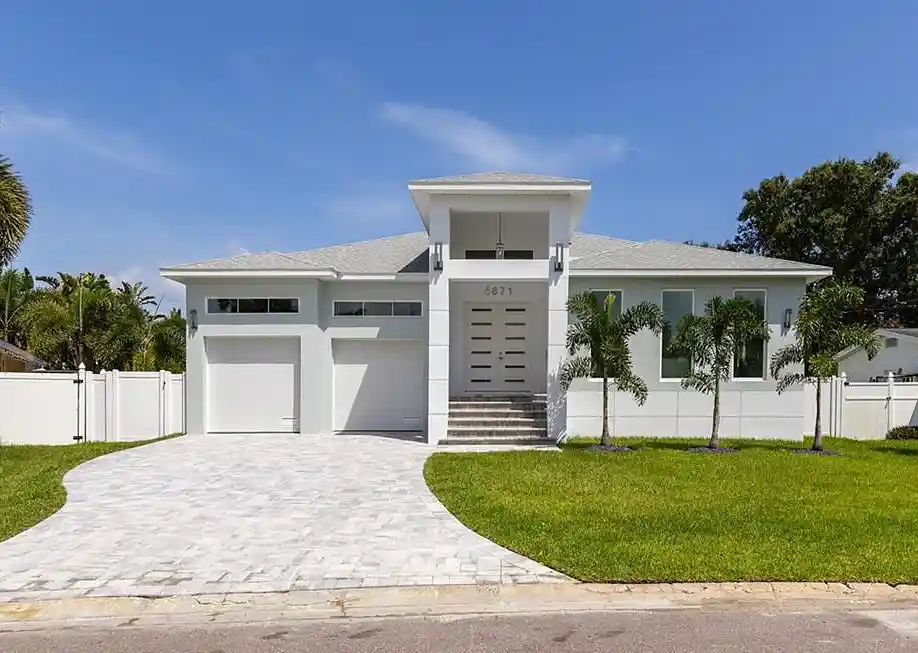
Renovating a home near the ocean comes with unique challenges. The combination of salt air, high humidity, strong winds, and the threat of storms means that every design and material choice must be made with durability and resilience in mind. Whether you’re updating an older property or planning a major remodel, understanding the best practices for coastal renovations can help you protect your investment and enjoy your seaside retreat for years to come.
In this article, you’ll discover practical advice for improving the longevity, comfort, and value of your coastal property. We’ll cover essential strategies for weather resistance, material selection, and ongoing maintenance, all tailored to the demands of harsh marine environments. For those interested in more specialized protection, our guide on coastal home metal protection offers deeper insights into safeguarding metal fixtures from salt air corrosion.
Understanding the Demands of Coastal Environments
Living by the sea means your home is constantly exposed to elements that can accelerate wear and tear. Salt-laden air, for example, is notorious for corroding metal, degrading paint, and even affecting certain types of wood and masonry. High winds and driving rain can exploit any weakness in your home’s exterior, leading to water intrusion and structural issues.
Before starting any renovation, assess your property’s current condition. Look for signs of rust, peeling paint, warped wood, or mold. Addressing these issues early can prevent more expensive repairs down the line. It’s also wise to review local building codes, as many coastal areas have strict requirements for wind and flood resistance.
Choosing Weather-Resistant Materials for Lasting Results
One of the most important coastal home renovation tips is to prioritize materials that can withstand the rigors of a marine climate. Here are some top choices:
- Fiber cement siding: This material resists rot, insects, and salt spray far better than traditional wood.
- Stainless steel or powder-coated hardware: These options provide superior corrosion resistance for fasteners, railings, and fixtures.
- Impact-rated windows and doors: Designed to withstand flying debris and high winds, these upgrades also improve energy efficiency.
- Composite decking: Unlike natural wood, composite materials won’t splinter, warp, or succumb to moisture damage.
- Marine-grade paints and sealants: These coatings form a durable barrier against moisture and UV rays, extending the life of your exterior surfaces.

Strategies for Storm and Flood Protection
Coastal properties are at higher risk for hurricanes, tropical storms, and flooding. Integrating storm-resilient features during your renovation can save you from costly damage and insurance headaches. Consider these best practices:
- Elevate critical systems: Place electrical panels, HVAC units, and water heaters above potential flood levels.
- Install flood vents: These allow water to flow through crawl spaces or garages, reducing pressure on walls and foundations.
- Reinforce roofing and siding: Use hurricane straps, clips, and impact-resistant materials to keep your home secure during extreme weather.
- Landscaping for drainage: Grade your yard away from the foundation and use native plants to help absorb excess water.
For more detailed advice on protecting your property from storm surges, see our resource on coastal home storm surge protection.
Maintaining Plumbing and Metal Fixtures in Salty Air
Salt air can accelerate corrosion in plumbing, fixtures, and any exposed metal. To keep your systems running smoothly:
- Choose corrosion-resistant piping: PEX, CPVC, or copper with protective coatings are good options for plumbing upgrades.
- Regularly inspect and clean fixtures: Rinse outdoor metal elements with fresh water and apply protective waxes or sealants.
- Use marine-grade stainless steel: For outdoor kitchens, railings, and hardware, opt for 316 stainless steel for maximum durability.
If you’re planning a plumbing overhaul, our coastal home plumbing protection guide covers additional steps to prevent saltwater intrusion and mineral buildup.

Eco-Friendly Renovation Choices for Coastal Living
Sustainable building practices not only help protect the environment but can also improve your home’s resilience. Consider using eco friendly coastal building materials such as recycled composites, responsibly sourced wood, and energy-efficient windows. These materials are often designed to perform well in tough climates and can reduce long-term maintenance costs.
Incorporating solar panels, rainwater harvesting systems, and native landscaping can further enhance your property’s sustainability and reduce your reliance on municipal utilities.
Routine Maintenance: The Key to Longevity
Even the best renovations require ongoing care. Establish a maintenance schedule to inspect and address issues before they escalate. Key tasks include:
- Washing exterior surfaces to remove salt residue and prevent buildup.
- Checking seals around windows and doors for cracks or gaps.
- Inspecting the roof and gutters after storms for damage or blockages.
- Reapplying protective coatings to decks, railings, and outdoor furniture as needed.
For a comprehensive approach to building and renovating by the sea, explore this ultimate guide to building your coastal dream home, which covers everything from site selection to finishing touches.
Frequently Asked Questions
What are the best exterior materials for homes near the ocean?
The most durable choices include fiber cement siding, marine-grade stainless steel, composite decking, and impact-rated windows and doors. These materials resist moisture, salt, and wind damage better than traditional options.
How can I protect my home from salt air corrosion?
Use corrosion-resistant materials, regularly rinse outdoor metal fixtures with fresh water, and apply protective coatings. For more targeted strategies, see our article on coastal home metal protection.
Are there eco-friendly options for coastal renovations?
Yes, many sustainable products are designed for harsh climates, including recycled composite materials, energy-efficient windows, and responsibly sourced wood. Incorporating solar panels and native landscaping can also boost your home’s sustainability.