
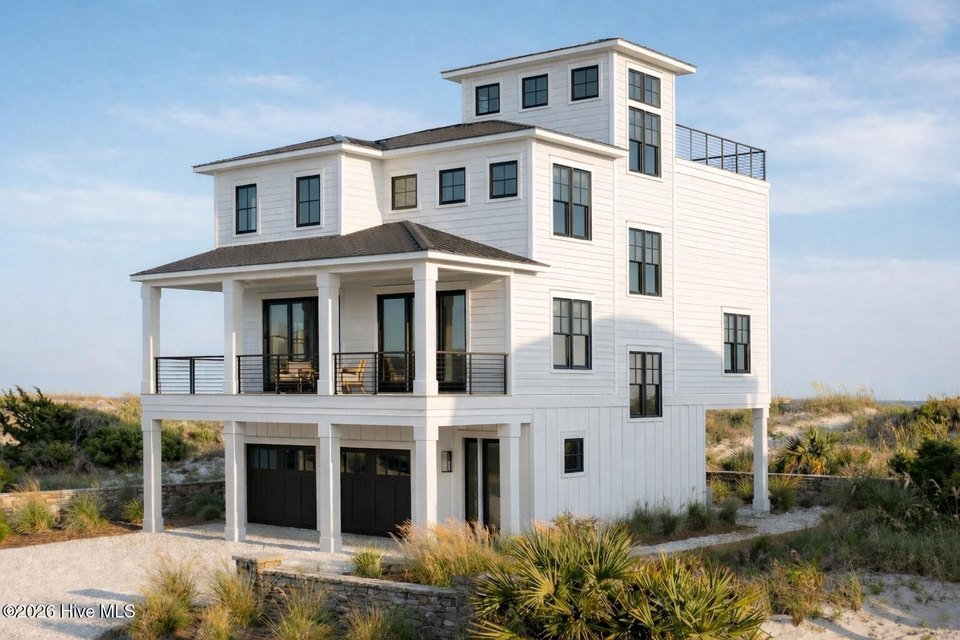
Living near the ocean brings both beauty and risk. When severe weather strikes, flooding can cause significant damage to coastal properties. Knowing how to respond quickly and effectively is crucial for minimizing loss and restoring your home’s safety and value. This guide covers the essential steps for coastal home repair after flooding, including immediate actions, structural assessments, and long-term prevention strategies.
For those interested in broader safety improvements, the coastal home remodeling guide offers additional insights on making your property more resilient to future hazards.
Immediate Steps After Coastal Flooding
The first hours and days following a flood are critical. Acting quickly can prevent further deterioration and help you recover more efficiently. Here’s what to do as soon as it’s safe to return:
- Ensure safety first: Wait for local authorities to declare the area safe. Watch for hazards such as downed power lines, unstable structures, and contaminated water.
- Document the damage: Take clear photos and videos of all affected areas. This documentation is vital for insurance claims and repair planning.
- Contact your insurance provider: Notify your insurer about the flooding and begin the claims process as soon as possible.
- Ventilate and dry out: Open windows and doors if weather permits. Use fans and dehumidifiers to reduce moisture and prevent mold growth.
- Remove standing water: Pump out water gradually to avoid structural pressure imbalances. Use wet/dry vacuums or professional water removal services if needed.
Assessing and Repairing Structural Damage
Floodwaters can compromise the integrity of a coastal home’s foundation, walls, and floors. A thorough inspection is necessary before any rebuilding begins.
- Check the foundation: Look for cracks, shifting, or erosion. If you notice significant issues, consult a structural engineer before proceeding.
- Inspect walls and floors: Waterlogged drywall, insulation, and flooring often need to be removed and replaced. Pay special attention to hidden moisture behind walls and under floorboards.
- Evaluate electrical and plumbing systems: Saltwater intrusion can corrode wiring and pipes. Have licensed professionals inspect and repair these systems to ensure safety.
- Address mold and mildew: Mold can develop within 24–48 hours after flooding. Remove all porous materials that can’t be thoroughly cleaned and disinfect all surfaces.
Choosing the Right Materials for Flood Recovery
Selecting durable, moisture-resistant materials is essential for long-term resilience. When rebuilding or repairing, opt for products designed to withstand coastal conditions.
- Use flood-resistant drywall: Cement board or fiberglass-faced drywall resists water damage better than traditional gypsum board.
- Install tile or sealed concrete flooring: These options are less likely to warp or harbor mold compared to carpet or hardwood.
- Choose marine-grade paints and finishes: These coatings provide extra protection against humidity and salt air.
- Elevate electrical outlets and systems: Raising outlets, switches, and HVAC components above expected flood levels can prevent future damage.
Preventing Future Flood Damage in Coastal Homes
After repairs, it’s wise to invest in upgrades that reduce the risk of repeat incidents. Proactive measures can save money and stress in the long run.

- Install flood vents: These allow water to flow through enclosed areas, reducing pressure on foundation walls and minimizing structural damage.
- Elevate your home: Raising the structure above base flood elevation is one of the most effective ways to protect against future flooding.
- Seal foundations and basements: Use waterproof coatings and sealants to block water intrusion at ground level.
- Landscape for drainage: Grading your yard away from the house and adding swales or rain gardens can help direct water flow safely.
- Maintain storm surge barriers: For more on this topic, the coastal home storm surge protection resource provides practical tips on safeguarding your property from extreme weather events.
Working With Professionals for Coastal Restoration
While some repairs can be handled by homeowners, many aspects of flood recovery require specialized expertise. Hiring qualified professionals ensures that repairs are safe, code-compliant, and built to last.
- Restoration contractors: Look for companies with experience in coastal environments and flood recovery. They can handle water extraction, mold remediation, and structural repairs.
- Engineers and inspectors: Structural engineers assess the safety of your home and recommend necessary reinforcements or rebuilding strategies.
- Licensed electricians and plumbers: Flooding can cause hidden damage to wiring and pipes, so always use licensed tradespeople for repairs.
- Insurance adjusters: Work closely with your adjuster to ensure all damage is properly documented and covered under your policy.
For inspiration on building or renovating homes to withstand coastal challenges, see this comprehensive overview of coastal home construction best practices.
Maintaining Your Coastal Property Post-Flood
Ongoing maintenance is key to preserving your home’s value and resilience. Regular inspections and timely repairs can prevent minor issues from becoming major problems.
- Inspect for moisture: Check attics, crawl spaces, and basements for signs of dampness or mold, especially after storms.
- Clean gutters and drains: Keep water flowing away from your foundation to reduce the risk of future flooding.
- Monitor exterior finishes: Repaint or reseal siding and trim as needed to protect against salt and moisture damage.
- Schedule annual professional inspections: A yearly checkup by a qualified contractor can catch problems early.
- For more on long-term care, the coastal home maintenance guide provides detailed strategies for extending the life of your property.
FAQ: Coastal Flood Recovery and Prevention
How soon should I start repairs after a coastal flood?
Begin the cleanup and drying process as soon as the area is declared safe. The faster you remove water and moisture, the lower the risk of mold and structural damage. Major repairs should wait until the home is fully dry and has been professionally inspected.
What materials are best for rebuilding after flood damage?
Use moisture-resistant options such as cement board, tile, marine-grade paints, and pressure-treated wood. These materials are less likely to deteriorate in humid or salty environments and can help your home withstand future flooding.
Can I prevent future flood damage to my coastal property?
While no solution is foolproof, elevating your home, installing flood vents, sealing foundations, and improving drainage can significantly reduce the risk. Regular maintenance and upgrades based on local building codes are also essential for long-term protection.