
Living near the ocean offers stunning views and a unique lifestyle, but it also brings the challenge of severe weather. Hurricanes, tropical storms, and high winds can threaten the safety and longevity of coastal properties. For homeowners in these regions, investing in a coastal home retrofit for storms is a practical step to safeguard both property and peace of mind. This guide explains the essential upgrades, materials, and strategies that can make a significant difference when the next big storm arrives.
Whether your house is decades old or relatively new, strengthening its resistance to wind, water, and flying debris is crucial. Many retrofitting solutions can be tailored to your budget and the specific risks in your area. Before diving into the technical details, it’s also wise to understand the potential costs involved. For a detailed breakdown of expenses, check out the coastal home construction cost breakdown to help plan your retrofit project effectively.
Why Storm-Proofing Matters for Coastal Residences
Properties along the shoreline face unique threats. High winds can rip off roofs, storm surges may flood lower levels, and airborne debris can shatter windows. Retrofitting a coastal home for storms is not just about minimizing damage—it’s about protecting lives and ensuring your investment endures. Insurance companies often offer reduced premiums for homes with proven storm resistance, making these upgrades financially sensible as well.
Key Elements of a Coastal Home Retrofit for Storms
A comprehensive approach to storm protection involves reinforcing several parts of the structure. Here are the most impactful upgrades:
- Roof Reinforcement: Upgrading to hurricane-rated shingles or metal roofing, adding hurricane straps, and securing roof-to-wall connections can prevent catastrophic roof loss.
- Impact-Resistant Windows and Doors: Installing windows and doors that meet coastal wind and impact standards is crucial. Shutters or storm panels offer additional protection.
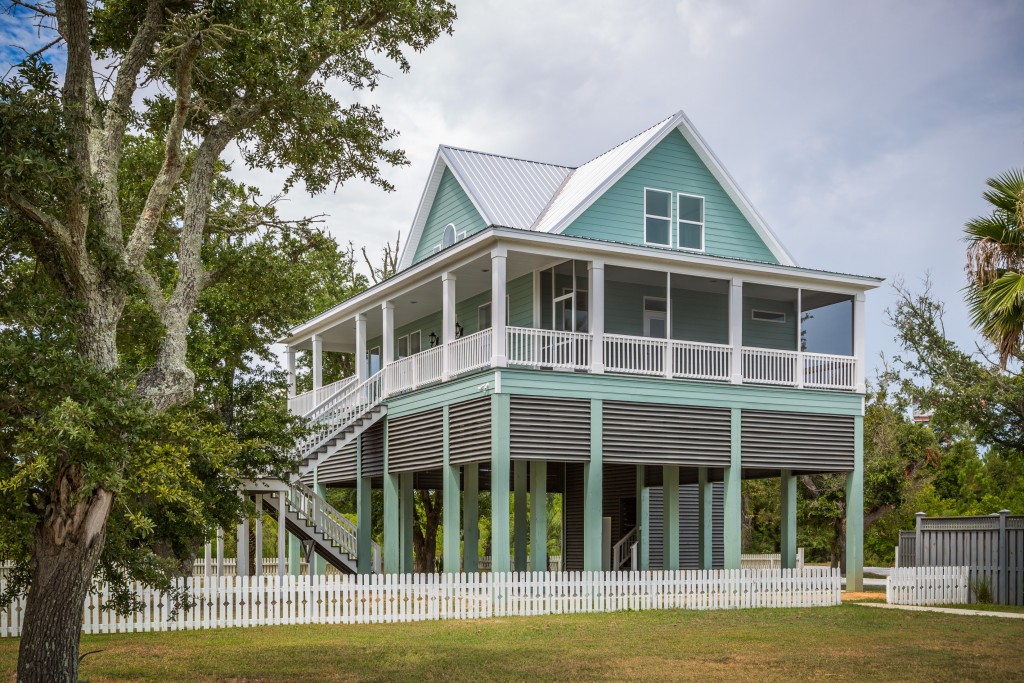
- Flood Barriers and Elevation: Raising the home on pilings or adding flood vents can reduce flood risk. Sealing foundations and using water-resistant materials in lower levels also helps.
- Garage Door Bracing: Garage doors are a common failure point. Reinforcing them with braces or replacing with wind-rated models can prevent wind from entering and lifting the roof.
- Anchoring and Tie-Downs: Properly anchoring decks, porches, and outbuildings prevents them from becoming dangerous projectiles.

Choosing Materials and Techniques for Maximum Protection
The effectiveness of a coastal home retrofit for storms depends on using the right materials and methods. Here are some best practices:
- Corrosion-Resistant Fasteners: Stainless steel or galvanized hardware resists rust in salty air, maintaining structural integrity over time.
- Waterproof Sealants: High-quality sealants around windows, doors, and foundation cracks prevent water intrusion during heavy rains.
- Pressure-Treated Lumber: For decks and exterior framing, pressure-treated wood stands up better to moisture and pests.
- Engineered Sheathing: Plywood or oriented strand board (OSB) rated for high wind zones adds strength to walls and roofs.
For a deeper dive into the basics of storm-resistant upgrades, the beginner’s guide to storm-safe homes offers a helpful overview of essential concepts and terminology.
Planning and Executing a Storm Retrofit Project
Every retrofit starts with an assessment of your home’s vulnerabilities. A licensed contractor or structural engineer can identify weak points and recommend prioritized improvements. Here’s a typical process:
- Inspection: Evaluate the roof, windows, doors, foundation, and exterior structures for weaknesses.
- Permitting: Many coastal areas require permits for structural changes. Check local codes before starting work.
- Budgeting: Plan for both immediate upgrades and future improvements. Some retrofits, like window replacements, can be phased in over time.
- Professional Installation: Hire experienced contractors familiar with coastal construction standards.
- Documentation: Keep records of all upgrades for insurance and resale purposes.
Common Retrofit Mistakes and How to Avoid Them
Even with the best intentions, some homeowners make errors that reduce the effectiveness of their storm protection efforts. Here are a few pitfalls to watch for:
- Ignoring Small Openings: Vents, soffits, and attic access points can let in wind and water if not properly sealed or reinforced.
- Using Incompatible Materials: Standard hardware may corrode quickly in salty environments, so always choose marine-grade options.
- Skipping Professional Help: DIY solutions can be tempting, but improper installation may void warranties or fail under stress.
- Neglecting Regular Maintenance: Even the best retrofits require periodic checks. For ongoing care, refer to a coastal home maintenance guide to keep your upgrades in top condition.
Integrating Storm Protection with Other Home Improvements
Many homeowners combine storm retrofitting with other renovations for efficiency and cost savings. For example, upgrading windows for impact resistance can also improve energy efficiency. Remodeling projects that address both safety and comfort can add significant value to your property. If you’re planning a larger update, consider reviewing coastal home remodeling tips for safety or renovation advice for harsh climates to maximize the benefits of your investment.
Frequently Asked Questions
What are the most cost-effective upgrades for storm protection?
The most affordable improvements often include adding hurricane straps to the roof, installing storm shutters, and reinforcing garage doors. These upgrades provide significant protection without the expense of full-scale renovations.
Do I need a permit to retrofit my coastal home for storms?
In most coastal jurisdictions, permits are required for structural changes such as roof reinforcement or window replacement. Always check with your local building department before starting any retrofit work.
How often should I inspect my storm protection features?
It’s recommended to inspect all storm-resistant features—such as windows, doors, and roof connections—at least once a year and after any major weather event. Regular maintenance ensures your home remains ready for the next storm.
Can retrofitting increase my home’s resale value?
Yes, homes with documented storm protection upgrades are often more attractive to buyers in coastal areas. These improvements can also lead to lower insurance premiums, adding further value.