
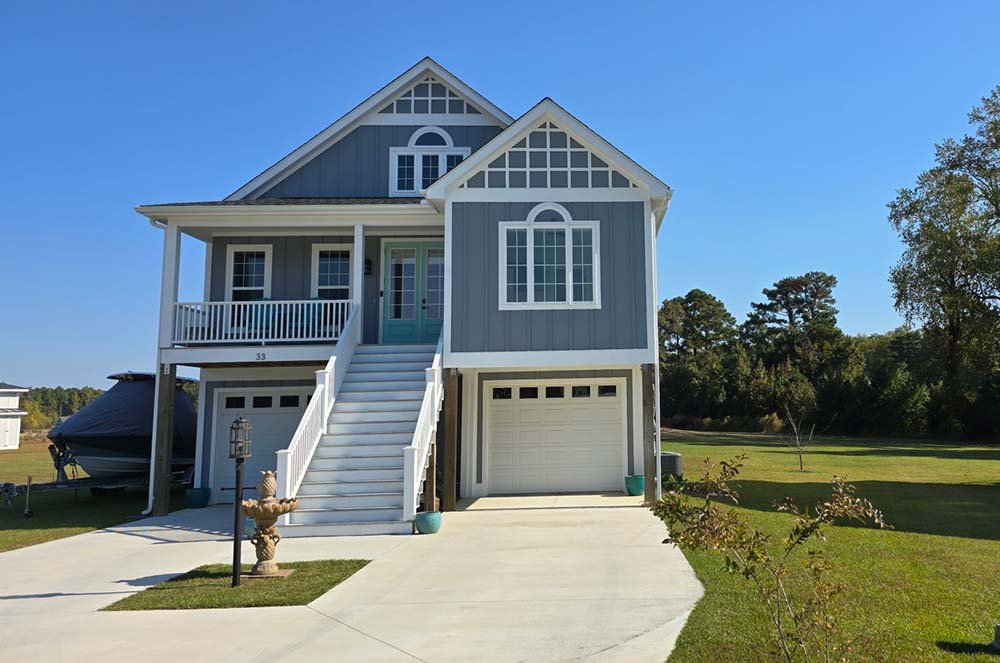
Building or renovating a home near the coast comes with unique challenges, especially when it comes to selecting the right roof. Coastal properties are frequently exposed to high winds, salt spray, and intense storms, all of which demand more from roofing materials and installation methods. Understanding the best coastal home roofing options is essential for homeowners who want to protect their investment and ensure long-term durability.
In this guide, we’ll explore the most resilient roofing materials, design considerations, and installation practices for homes in wind-prone coastal areas. Whether you’re constructing a new property or upgrading an existing roof, making informed choices can help you withstand the harshest coastal weather conditions.
For those living near popular beach destinations, it’s also important to consider how local regulations and environmental factors affect your property. If you’re a dog owner visiting the area, you might find the how to dispose of dog waste properly at the beach guide helpful for maintaining both your home and the surrounding environment.
Key Factors When Choosing Roofs for Coastal Properties
Homes situated along the shoreline face specific environmental threats. High winds from hurricanes or tropical storms, salt-laden air, and heavy rainfall all contribute to accelerated wear and tear on roofing systems. To ensure your roof stands up to these challenges, consider the following factors:
- Wind resistance: The roof must be able to withstand uplift and lateral forces from strong gusts.
- Corrosion resistance: Materials should resist rust and deterioration from salt exposure.
- Waterproofing: Effective barriers are necessary to prevent leaks during heavy rain.
- Maintenance requirements: Some materials require more upkeep in harsh environments.
- Local building codes: Coastal areas often have stricter regulations for wind and storm resistance.
Best Roofing Materials for Windy Coastal Areas
Selecting the right material is the foundation of a resilient roof. Here are some of the most popular and effective coastal home roofing options for high-wind environments:
Metal Roofing: A Top Choice for Durability
Metal roofs, especially those made from aluminum or galvanized steel, are renowned for their strength and longevity. They offer several advantages for coastal homes:
- High wind ratings: Properly installed metal panels can withstand wind speeds exceeding 140 mph.
- Corrosion resistance: Aluminum is naturally resistant to rust, while coated steel provides extra protection.
- Low maintenance: Metal roofs shed water easily and are less prone to algae or moss growth.
- Fire resistance: Metal is non-combustible, adding another layer of safety.
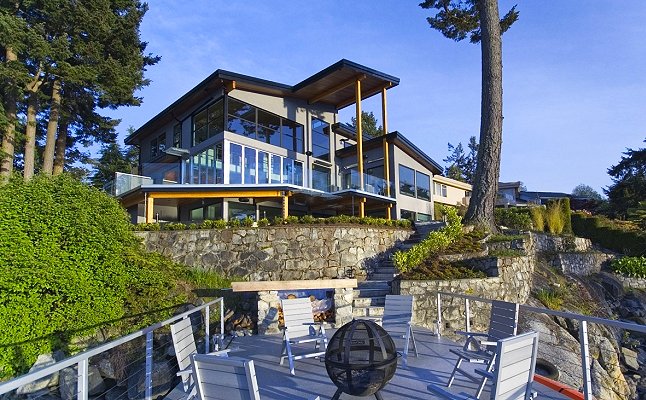
For maximum performance, look for standing seam metal roofs, which have fewer exposed fasteners and are less likely to leak or lift in high winds.
Concrete and Clay Tiles: Heavyweight Protection
Concrete and clay tiles are another excellent option for coastal homes. Their weight helps anchor them against strong winds, and they offer a classic aesthetic. Key benefits include:
- Wind resistance: Properly installed tiles can resist winds up to 125 mph or more.
- Longevity: Tiles can last 50 years or longer with minimal maintenance.
- Salt resistance: Both materials are naturally resistant to salt corrosion.
It’s important to ensure tiles are securely fastened and that the roof structure can support their weight. Some manufacturers offer specially designed tiles for hurricane-prone regions.
Asphalt Shingles: Reinforced Options for the Coast
While standard asphalt shingles may not be ideal for extreme wind zones, there are reinforced varieties made for coastal climates. Look for shingles labeled as “wind-resistant” or “hurricane-rated.” These products feature:
- Improved adhesives: Stronger bonding to prevent shingle lift.
- Thicker construction: Enhanced durability against impact and wind.
- Warranty coverage: Some products are guaranteed for wind speeds up to 130 mph.
Asphalt shingles are generally more affordable than metal or tile, making them a popular choice for budget-conscious homeowners who still want reliable protection.
Design and Installation Tips for Wind-Resistant Roofs
Material selection is only part of the equation. The way your roof is designed and installed plays a crucial role in its ability to withstand coastal weather. Here are some best practices:
- Roof shape: Hip roofs (with slopes on all sides) are more aerodynamic and less prone to wind damage than gable roofs.
- Roof pitch: Steeper slopes help deflect wind and reduce uplift forces.
- Fastening systems: Use hurricane clips, extra nails, or screws to secure roofing materials to the deck and rafters.
- Sealing and flashing: High-quality flashing and sealants prevent water intrusion at vulnerable points.
- Edge protection: Reinforce eaves and overhangs, as these areas are most susceptible to wind uplift.
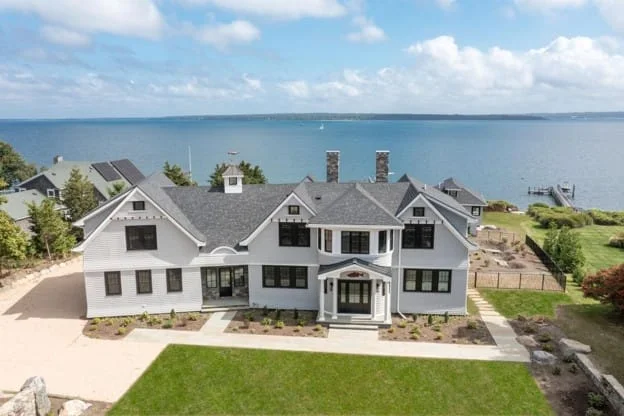
Working with a contractor experienced in coastal construction is highly recommended. They’ll be familiar with local codes and best practices for wind mitigation.
Maintaining Your Roof in Coastal Environments
Even the best roof needs regular care to stay in top condition. Maintenance tips for coastal homeowners include:
- Routine inspections: Check for loose fasteners, damaged shingles, or corrosion after major storms.
- Gutter cleaning: Keep gutters clear to prevent water backup and roof edge damage.
- Remove debris: Clear away branches, leaves, and salt deposits that can trap moisture or cause abrasion.
- Address repairs promptly: Fix minor issues before they escalate into costly problems.
Proactive maintenance not only extends the life of your roof but also helps you stay compliant with insurance and warranty requirements.
Understanding Local Codes and Insurance Requirements
Coastal regions often have strict building codes designed to minimize storm damage. Before starting any roofing project, check with your local authorities for specific requirements regarding wind ratings, materials, and installation methods. Many insurance companies also require documentation that your roof meets or exceeds these standards to maintain coverage.
For more detailed considerations about building in coastal areas, you can refer to this comprehensive guide on what to consider when building a coastal home.
Additional Tips for Coastal Homeowners
Beyond the roof itself, there are other steps to protect your property from high winds and salt exposure:
- Install storm shutters or impact-resistant windows.
- Trim trees and remove loose objects from your yard before storm season.
- Consider backup power options in case of outages.
- Review your homeowner’s insurance policy annually.
Staying proactive with both your roof and overall property maintenance can make a significant difference during hurricane season.
FAQ: Roofing for Coastal Homes in Windy Areas
What is the most wind-resistant roofing material for coastal homes?
Metal roofing, especially standing seam systems, is widely regarded as the most wind-resistant option for coastal properties. When properly installed, these roofs can withstand wind speeds exceeding 140 mph and offer excellent resistance to corrosion and fire.
How often should I inspect my roof if I live near the coast?
It’s recommended to inspect your roof at least twice a year—once before and once after storm season. Additionally, check for damage after any major weather event. Early detection of issues like loose fasteners or missing shingles can prevent more serious problems.
Are there special installation requirements for roofs in high-wind zones?
Yes, roofs in wind-prone coastal areas require reinforced fastening systems, such as hurricane clips, extra nails or screws, and enhanced edge protection. Local building codes may also specify minimum wind ratings and approved materials, so always consult with a qualified contractor familiar with coastal construction standards.