
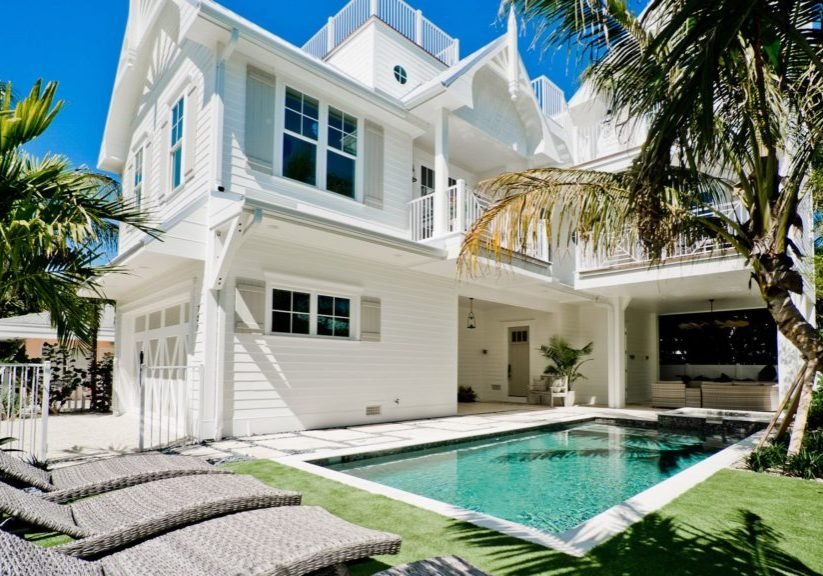
Choosing the right location for a home near the ocean is a significant decision that requires careful evaluation of environmental, regulatory, and lifestyle factors. Whether you’re planning a permanent residence or a vacation getaway, coastal home site selection involves more than just picking a scenic spot. The process demands attention to land stability, flood risks, local ordinances, and access to amenities. Understanding these elements can help you avoid costly mistakes and ensure your investment stands the test of time.
For those who enjoy bringing their pets along for beach adventures, it’s also helpful to explore resources like jupiter dog beach reviews for pet owners to get a sense of the local pet-friendly amenities and community feedback.
Key Environmental Factors in Choosing a Coastal Property
The allure of oceanfront living comes with unique environmental considerations. When evaluating a site, pay close attention to the following:
- Flood Zones and Storm Surge: Coastal areas are prone to flooding and storm surges, especially during hurricane season. Review FEMA flood maps and consult local building codes to determine if the land is in a high-risk area. Elevated construction or flood-resistant designs may be required.
- Erosion and Soil Stability: Shorelines can shift over time due to erosion. Assess the history of shoreline movement and soil composition. Properties with stable, well-vegetated dunes or natural barriers are generally safer choices.
- Wind Exposure: Coastal winds can be intense, affecting both comfort and structural integrity. Consider the prevailing wind direction and whether natural features like trees or dunes offer protection.
- Saltwater Corrosion: Proximity to saltwater accelerates corrosion of building materials. Factor in the need for weather-resistant finishes and regular maintenance.
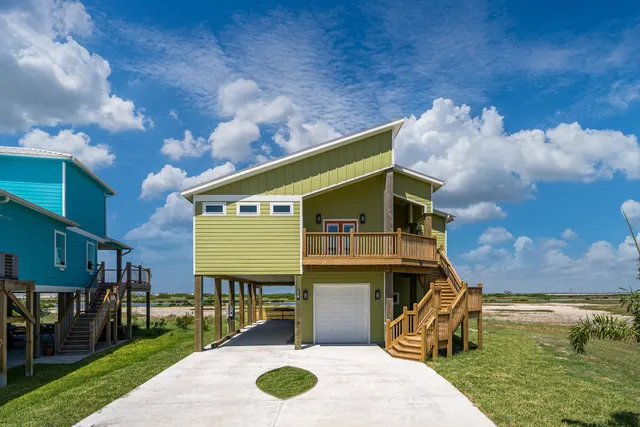
Understanding Zoning, Permits, and Coastal Regulations
Building near the ocean is subject to a complex web of regulations designed to protect both homeowners and fragile ecosystems. Before purchasing land, research the following:
- Setback Requirements: Many coastal jurisdictions require structures to be set back a certain distance from the high tide line or dune crest. These rules help minimize erosion risks and environmental impact.
- Permitting Process: Obtaining permits for construction, septic systems, and shoreline modifications can be lengthy. Some areas have additional review processes for properties in environmentally sensitive zones.
- Protected Habitats: Coastal sites may be home to endangered species or protected wetlands. Development could be restricted or require mitigation measures.
- Community Associations: Some coastal communities have homeowners’ associations with their own design guidelines and restrictions.
For a detailed overview of regulatory requirements and best practices, consult resources like this guide to coastal zone construction regulations.
Evaluating Access, Utilities, and Infrastructure
A beautiful view is only part of the equation. Practical aspects such as access and infrastructure are just as important in coastal home site selection:
- Road Access: Ensure the property is accessible year-round. Some remote sites may have unpaved roads that become impassable during storms.
- Utilities: Not all coastal lots are connected to municipal water, sewer, or power. Investigate the availability and cost of bringing utilities to the site, or consider alternatives like wells, septic systems, and solar panels.
- Emergency Services: Proximity to fire stations, hospitals, and evacuation routes is crucial, especially in hurricane-prone regions.
- Internet and Cellular Coverage: Reliable connectivity can be limited in some coastal areas. Check service maps and talk to neighbors about their experiences.
Balancing Lifestyle, Privacy, and Community
Beyond technical and environmental factors, think about how the location fits your lifestyle. Considerations include:
- Proximity to Amenities: How close is the nearest grocery store, school, or restaurant? Some buyers prefer seclusion, while others want easy access to town.
- Beach Access and Recreation: Direct access to the beach or water is a major draw, but check for public access points and local rules regarding pets, fires, and activities. For dog owners, resources like jupiter beach dog jumping in waves safety can provide helpful tips.
- Noise and Seasonal Crowds: Popular beaches can get busy in peak season. Visit the area at different times to gauge noise levels and privacy.
- Community Culture: Some coastal neighborhoods are tight-knit, while others are more transient or tourist-oriented. Talk to locals and visit community events to get a feel for the area.
Long-Term Considerations for Oceanfront Living
Investing in a property near the shore means planning for the future. Here are some long-term factors to keep in mind:
- Insurance Costs: Homeowners insurance, especially flood and wind coverage, can be expensive and may require special policies. Shop around and budget accordingly.
- Maintenance Needs: Salt air, humidity, and storms accelerate wear and tear. Choose durable materials and plan for regular upkeep.
- Resale Value: Properties in well-managed, stable areas tend to hold value better. Research market trends and talk to local real estate agents.
- Climate Change and Sea Level Rise: Scientific projections suggest rising sea levels and more frequent storms in many coastal regions. Factor these risks into your decision and consider adaptive building strategies.
Frequently Asked Questions
What are the most important environmental risks to consider when buying coastal land?
The main risks include flooding, erosion, and wind damage. It’s essential to review flood maps, understand local erosion patterns, and assess how exposed the site is to storms. Consulting with local experts and reviewing historical data can help you make an informed decision.
How do I find out if a coastal property is in a regulated zone?
Start by checking with the local planning department or zoning office. They can provide maps and information on setback requirements, protected habitats, and permitting processes. You can also consult resources like this overview of coastal construction regulations for additional guidance.
Are there extra costs associated with building or owning a home near the ocean?
Yes, expect higher insurance premiums, increased maintenance, and potential costs for flood-proofing or bringing utilities to the site. It’s wise to budget for these expenses up front and factor them into your long-term financial planning.
What should pet owners look for in a coastal home site?
Pet owners should check for nearby pet-friendly beaches, local leash laws, and community rules about animals. Reading reviews from other pet owners can provide valuable insight into the area’s suitability for pets.
Selecting the right site for your coastal home is a complex but rewarding process. By considering environmental factors, regulatory requirements, infrastructure, and lifestyle needs, you can find a location that offers both beauty and peace of mind for years to come.