
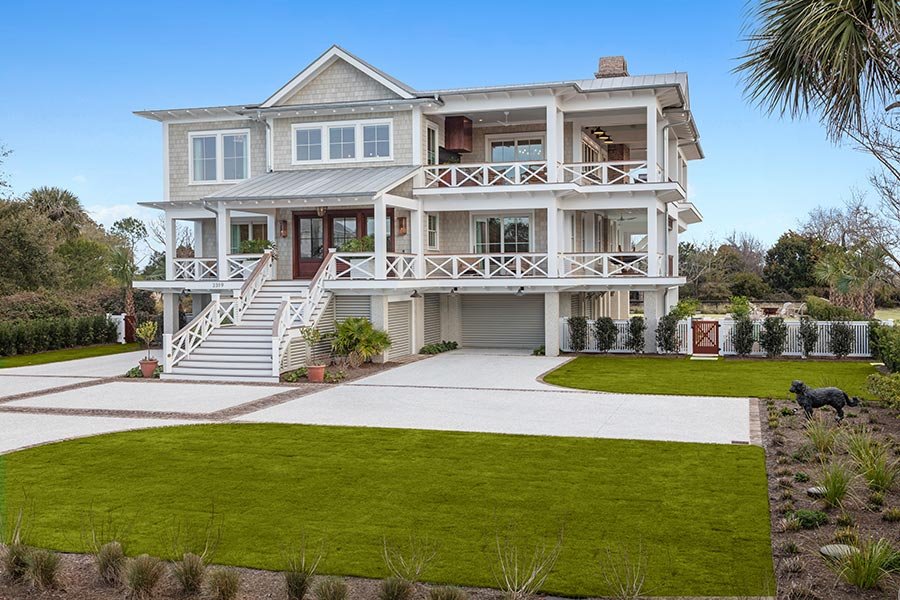
Living near the ocean offers breathtaking views and a unique lifestyle, but it also comes with the responsibility of safeguarding your property from the powerful forces of nature. Coastal home storm surge protection is essential for homeowners in vulnerable areas, especially as extreme weather events become more frequent and severe. Understanding the best strategies and building practices can help minimize damage and keep your family and investment safe.
This article explores practical measures, construction techniques, and maintenance routines that can significantly reduce the risks posed by storm surges. Whether you’re building a new residence or upgrading an existing one, these insights will help you make informed decisions to protect your coastal property.
For those considering foundational upgrades, our coastal home piling installation guide provides detailed information on elevating structures to withstand high water levels.
Understanding Storm Surge Risks for Coastal Properties
Storm surges are abnormal rises in seawater level during a storm, primarily caused by strong winds pushing water toward the shore. These surges can inundate low-lying areas, erode land, and cause extensive property damage. Homes located close to the shoreline are particularly susceptible, making it crucial to assess local risks and plan accordingly.
Factors such as elevation, proximity to the coast, and local topography all influence the degree of risk. Reviewing flood maps and consulting with local authorities can provide valuable insights into your property’s vulnerability.
Building and Retrofitting for Enhanced Storm Surge Defense
One of the most effective ways to protect a seaside residence is through thoughtful design and construction. Elevating your home on pilings or piers allows water to flow beneath the structure, reducing the risk of flooding and structural damage. Reinforced concrete, hurricane straps, and impact-resistant windows further enhance resilience.
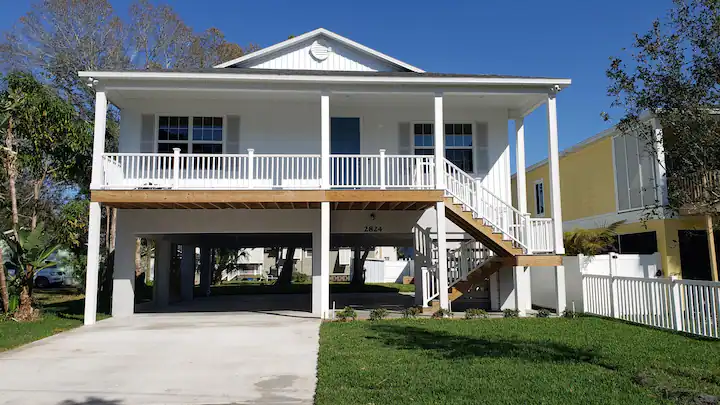
For existing homes, retrofitting can include installing flood vents, reinforcing doors and garage entries, and upgrading to water-resistant materials. These improvements not only help during a surge but also increase the overall durability of your property.
Landscaping and Exterior Solutions for Surge Mitigation
Thoughtful landscaping can provide an additional layer of defense. Planting salt-tolerant vegetation, constructing berms, and using permeable surfaces help slow down and absorb floodwaters. Retaining walls and strategically placed barriers can redirect water away from your home’s foundation.
Seawalls and revetments are popular choices for properties directly facing the ocean. For a comprehensive overview of these structures, refer to our coastal home seawall construction resource. These barriers, when properly engineered, can significantly reduce the impact of waves and surges.
Essential Maintenance and Emergency Preparation
Regular maintenance is key to keeping your storm protection measures effective. Inspect foundations, windows, and doors for signs of wear or damage, and repair any vulnerabilities promptly. Clear gutters and drainage systems to ensure water flows away from your home.
Develop an emergency plan that includes evacuation routes, supply kits, and communication strategies. Stay informed about weather alerts and have a checklist for securing outdoor furniture, vehicles, and valuables before a storm arrives.
Insurance and Regulatory Considerations for Coastal Homeowners
Securing appropriate insurance coverage is a critical part of any coastal home storm surge protection strategy. Standard homeowner’s policies often exclude flood damage, so it’s important to obtain separate flood insurance. Review policy details carefully to understand coverage limits and exclusions.
Local building codes and regulations may require specific construction standards or elevation levels for properties in flood-prone areas. Staying compliant not only protects your investment but may also reduce insurance premiums. For more details on coverage requirements, see our coastal home insurance requirements guide.
Innovative Materials and Sustainable Practices
Advances in building materials have made it easier to construct homes that are both resilient and environmentally friendly. Products such as fiber cement siding, composite decking, and recycled steel offer durability against moisture and wind. Incorporating eco friendly coastal building materials can also help reduce long-term maintenance and environmental impact.
Solar panels and backup battery systems provide reliable power during outages, while also supporting sustainability goals. For integration tips, explore our coastal home solar integration resource.
Expert Resources and Further Reading
Staying informed about the latest construction trends and storm mitigation technologies is essential. For a comprehensive overview of custom building in coastal environments, visit this ultimate guide to building a custom coastal home. Consulting with local experts and engineers can also help tailor solutions to your specific location and needs.
Frequently Asked Questions
What are the most effective ways to protect a home from storm surge?
Elevating the structure on pilings, installing reinforced doors and windows, and using flood vents are among the most effective measures. Combining these with landscaping strategies and seawalls can further reduce risk.
Does flood insurance cover all storm surge damage?
Flood insurance typically covers damage caused by storm surges, but coverage limits and exclusions vary. It’s important to review your policy details and consider additional protection if needed.
How often should storm protection systems be inspected?
It’s recommended to inspect all protective systems, including foundations, windows, and barriers, at least once a year and after any significant storm event. Prompt repairs help maintain their effectiveness.