
Building along the coast presents unique challenges that can complicate even the most carefully planned projects. From shifting sands and salt-laden air to strict environmental regulations, those involved in seaside development must navigate a range of issues that are less common inland. Understanding the most frequent obstacles can help property owners, builders, and developers make informed decisions and avoid costly mistakes.
Whether you are considering a new beach house, renovating an existing property, or managing a commercial project near the shoreline, it’s important to be aware of the typical pitfalls. This article explores the most prevalent common coastal construction problems, how they impact projects, and practical strategies for overcoming them.

For those planning to bring pets to the beach during construction or visits, it’s also worth reviewing how to dispose of dog waste properly at the beach to help protect fragile coastal environments.
Environmental and Regulatory Challenges in Coastal Building
One of the most significant hurdles in shoreline development is the complex web of environmental regulations and permitting requirements. Coastal zones are protected due to their ecological importance and vulnerability to erosion, flooding, and storms. Builders must comply with federal, state, and local rules that govern everything from setbacks and dune protection to wildlife conservation.
Obtaining permits can be a lengthy and expensive process. Delays often occur if plans do not meet environmental standards or if required studies—such as impact assessments—are incomplete. In some regions, construction is restricted during certain seasons to protect nesting birds or sea turtles. These factors can affect timelines and budgets, making early consultation with regulatory agencies essential.
For a deeper dive into the regulatory landscape, this overview of coastal zone construction requirements provides valuable context on what to expect before breaking ground.
Foundation and Structural Issues Unique to the Coast
The foundation is the backbone of any building, but in coastal areas, it faces unique threats. Sandy soils, high water tables, and frequent flooding can undermine stability. Structures must often be elevated on pilings or piers to avoid damage from storm surges and to comply with floodplain regulations.

Some of the most frequent coastal construction issues related to foundations include:
- Erosion: Waves, tides, and wind can gradually remove soil around pilings, leading to instability.
- Settlement: Loose or saturated soils may cause uneven settling, resulting in cracks or structural misalignment.
- Corrosion: Saltwater accelerates the rusting of metal components, which can weaken supports and fasteners.
- Flooding: High tides and storm surges can inundate lower levels, especially if elevation is insufficient.
Addressing these problems typically involves specialized engineering, such as deep pilings, reinforced concrete, and the use of corrosion-resistant materials. Regular inspections and maintenance are also crucial to ensure long-term safety and durability.
Material Degradation and Maintenance Concerns
Salt air, humidity, and intense sunlight take a toll on building materials. Even the most robust structures require ongoing care to withstand the harsh coastal environment. Some of the most common material-related coastal construction problems include:
- Metal corrosion: Fasteners, railings, and structural steel are especially vulnerable to rust, which can compromise safety.
- Wood rot: Moisture and salt can accelerate decay in untreated or poorly maintained wood, leading to costly repairs.
- Paint and finish breakdown: UV rays and salt spray can cause paint, stains, and sealants to peel or fade quickly.
- Mold and mildew: High humidity encourages the growth of fungi, which can affect both aesthetics and indoor air quality.
To mitigate these issues, builders often select materials specifically designed for marine environments, such as stainless steel, pressure-treated lumber, and high-performance coatings. Regular cleaning, sealing, and repainting are necessary to extend the lifespan of exterior surfaces.
Weather-Related Risks and Storm Preparedness
Coastal properties are at greater risk from hurricanes, tropical storms, and nor’easters. High winds, flying debris, and storm surges can cause significant damage in a short period. Preparing for these events is a critical component of any successful project near the shoreline.
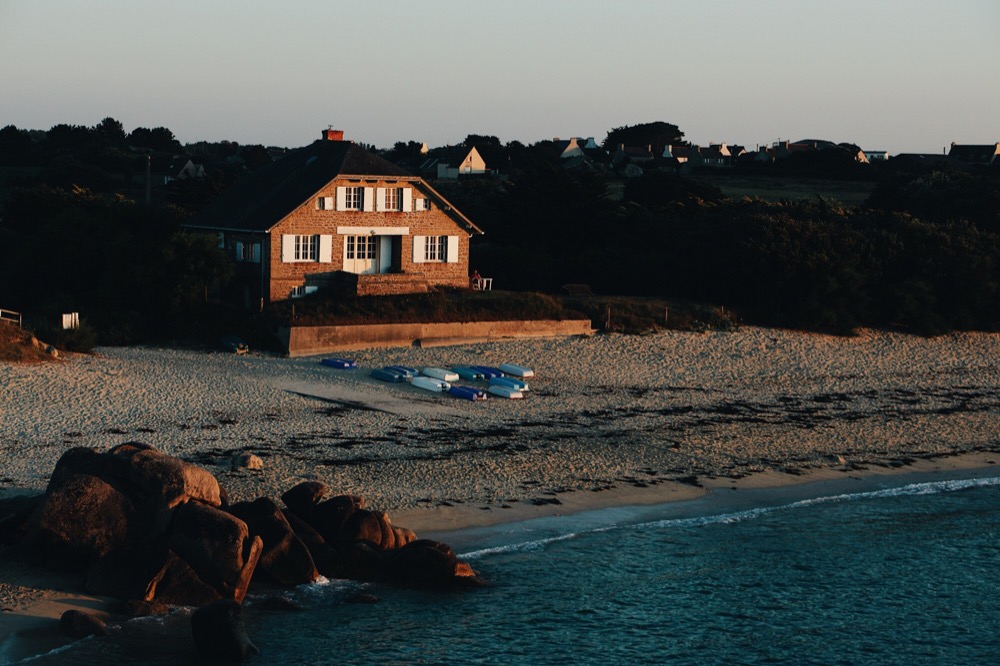
Key strategies for minimizing storm damage include:
- Elevating structures: Raising buildings above predicted flood levels reduces the risk of water intrusion.
- Impact-resistant windows and doors: These products help protect against windborne debris and pressure changes.
- Secure roofing systems: Roofs should be anchored and constructed to withstand high winds.
- Landscape planning: Using native plants and avoiding loose gravel or mulch can reduce erosion and debris hazards.
Insurance considerations are also important, as many standard policies do not cover flood or wind damage in high-risk areas. Specialized coverage may be required to fully protect your investment.
Site Access, Logistics, and Community Impact
Transporting materials and equipment to remote or narrow beachfront lots can be challenging. Limited road access, weight restrictions on bridges, and the need to protect dunes or wetlands may complicate logistics. Deliveries may be delayed by tides, weather, or local events.
Additionally, construction activities can affect neighboring properties and the broader community. Noise, dust, and traffic disruptions are common concerns. Open communication with neighbors and local officials can help minimize conflicts and ensure compliance with noise ordinances and work-hour restrictions.
For those visiting or living near dog-friendly beaches, resources like the jupiter dog beach visitor guide for tourists can help balance recreation with respect for ongoing construction and environmental protection efforts.
Best Practices for Successful Coastal Projects
While the challenges are significant, many successful projects have demonstrated that careful planning and expert guidance can overcome most obstacles. Here are some proven strategies for managing common coastal construction problems:
- Engage experienced professionals: Architects, engineers, and contractors with a track record in coastal work can anticipate and address unique site conditions.
- Plan for maintenance: Budget for regular inspections, repairs, and upgrades to keep structures safe and attractive.
- Stay informed about regulations: Laws and guidelines can change, so ongoing communication with permitting agencies is essential.
- Prioritize sustainability: Use environmentally friendly materials and practices to minimize impact and comply with green building standards.
- Prepare for emergencies: Develop a storm response plan and ensure insurance coverage is adequate for local risks.
By taking these proactive steps, property owners and builders can reduce the likelihood of costly setbacks and enjoy the benefits of coastal living for years to come.
Frequently Asked Questions
What are the most common causes of structural failure in coastal homes?
The leading causes include erosion undermining foundations, corrosion of metal supports due to saltwater exposure, and inadequate elevation above flood levels. Using proper materials and engineering methods can greatly reduce these risks.
How can I protect my coastal property from storm damage?
Elevate the structure, install impact-resistant windows and doors, secure the roof, and maintain a defensible landscape. Regularly review and update your insurance to ensure adequate coverage for wind and flood events.
Are there special building codes for coastal construction?
Yes, most coastal areas have stricter building codes to address flood risk, wind resistance, and environmental protection. These often require elevated foundations, reinforced structures, and specific setbacks from dunes or wetlands. Consult local authorities early in the planning process to ensure compliance.