
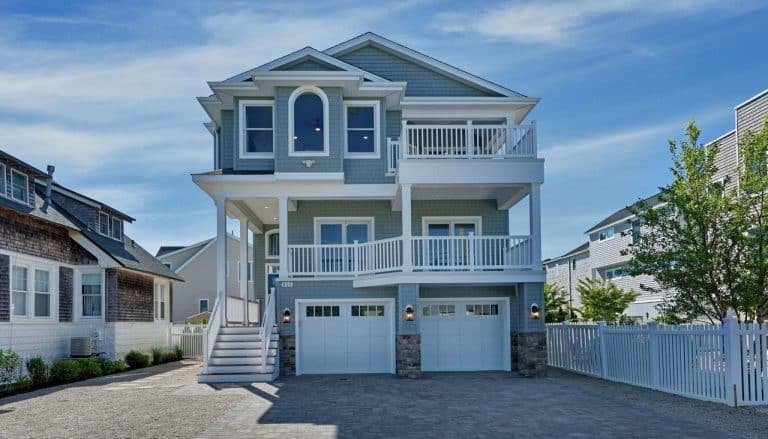
Building or renovating a property near the ocean comes with unique challenges. The salty air, high humidity, and frequent storms can accelerate the deterioration of building components. Choosing corrosion resistant materials is essential for anyone looking to ensure the longevity and safety of a coastal residence. Whether you’re planning a new build or upgrading an existing structure, understanding which materials stand up best to harsh seaside conditions can save significant time and money in the long run.
In addition to weather and salt exposure, coastal homes often face higher maintenance demands. Selecting the right products and finishes helps reduce upkeep, enhances curb appeal, and protects your investment. If you’re also interested in local amenities, you might want to check out jupiter dog beach reviews for pet owners for nearby pet-friendly activities.
Why Corrosion Is a Major Concern in Coastal Environments
The combination of salt, moisture, and wind in seaside regions creates an aggressive environment for most building materials. Salt-laden air accelerates the breakdown of metals and can even impact concrete, wood, and other substances. This process, known as corrosion, leads to structural weakness, unsightly staining, and costly repairs.
Homes located near the shoreline are especially vulnerable. Metal fasteners, railings, window frames, and even the reinforcing bars inside concrete can corrode much faster than in inland locations. That’s why it’s crucial to prioritize corrosion resistant materials when making construction or renovation decisions for properties in these areas.

Top Material Choices for Coastal Construction
Not all building products are created equal when it comes to withstanding the rigors of a marine climate. Below are some of the most reliable options for different parts of a home.
Stainless Steel and Marine-Grade Metals
Stainless steel, especially grades 304 and 316, is widely used in coastal construction for its ability to resist rust and pitting. Grade 316, often called “marine-grade,” contains molybdenum, which offers even greater protection against chloride corrosion. This makes it ideal for fasteners, railings, exterior hardware, and structural connectors.
- Aluminum: Lightweight and naturally resistant to corrosion, aluminum is a popular choice for window frames, doors, and roofing. Anodized finishes further enhance its durability.
- Galvanized Steel: Steel coated with a layer of zinc can withstand salty air much better than untreated steel. However, it’s best used in areas with less direct salt spray exposure.
Concrete and Masonry with Protective Additives
Concrete is a staple of coastal construction, but it can suffer from chloride-induced corrosion of the steel reinforcement inside. Using concrete mixes with corrosion inhibitors or pozzolanic additives, and applying sealants, helps protect against moisture and salt intrusion.
Masonry products, such as brick and stone, also benefit from water-repellent treatments. These coatings reduce the risk of saltwater penetration and freeze-thaw damage.
Composite and Synthetic Materials
Advances in building technology have led to a variety of composite products designed specifically for harsh environments. Fiber cement siding, PVC trim, and composite decking are all excellent choices for coastal homes. They resist rot, insects, and corrosion, and require minimal maintenance.
- Fiber Cement: Made from a blend of cement, sand, and cellulose fibers, this material is highly durable and resists both moisture and pests.
- PVC and Vinyl: These plastics are immune to rust and decay, making them ideal for trim, soffits, and window surrounds.

Best Practices for Selecting and Maintaining Durable Materials
Even the most robust products need proper selection and care to maximize their lifespan in a coastal setting. Here are some practical tips:
- Choose the right grade: For metals, always opt for marine-grade or higher corrosion resistance when possible.
- Apply protective coatings: Paints, sealants, and water-repellent finishes add an extra layer of defense against the elements.
- Regular inspections: Check for early signs of rust, pitting, or deterioration and address issues promptly.
- Use compatible fasteners: Pairing dissimilar metals can cause galvanic corrosion. Stick to fasteners that match or exceed the corrosion resistance of the materials they join.
- Elevate and ventilate: Ensure decks, siding, and other exterior elements are properly elevated and ventilated to minimize moisture retention.
Windows, Doors, and Roofing: Special Considerations
Openings and roof structures are particularly vulnerable in marine environments. For windows and doors, look for frames made from vinyl, fiberglass, or powder-coated aluminum. These materials resist corrosion and require less upkeep than traditional wood or standard metals.
Roofing options such as standing seam metal (with appropriate coatings), clay or concrete tile, and synthetic shingles are all suitable for coastal climates. Always ensure flashing and fasteners are made from corrosion-resistant alloys to prevent leaks and premature failure.
Landscaping and Outdoor Features
Outdoor living spaces are a major part of coastal homes, but they also face the brunt of salt and moisture. For decks, docks, and railings, composite lumber and stainless steel hardware offer the best mix of durability and appearance. Fencing made from vinyl or powder-coated aluminum will outlast wood in these conditions.
When planning landscaping, select plants and ground covers that tolerate salt spray and wind. Hardscape elements like pavers and retaining walls should be constructed from concrete or stone with water-repellent treatments.
Expert Resources and Further Reading
For a comprehensive overview of building strategies in marine climates, see this essential guide to constructing a dream home by the sea. It covers site selection, design considerations, and material recommendations for long-term durability.
Frequently Asked Questions
What are the most important factors when choosing materials for a home near the ocean?
The key considerations are resistance to moisture, salt, and wind. Opt for products specifically designed for marine environments, such as marine-grade metals, fiber cement, and high-quality composites. Proper installation and regular maintenance also play a crucial role in extending the life of these materials.
Can wood be used in coastal construction?
While wood is not naturally corrosion resistant, certain species like cedar, redwood, and pressure-treated lumber can be used with the right finishes and regular upkeep. For structural elements and areas with direct salt exposure, composites or treated alternatives are generally more reliable.
How can I minimize maintenance on my coastal property?
Start by selecting materials that require little upkeep, such as stainless steel, vinyl, and composite products. Apply protective coatings where appropriate, and schedule routine inspections to catch issues early. Design features that promote drainage and airflow also help reduce the risk of corrosion and rot.
Choosing the right corrosion resistant materials is one of the most effective ways to protect your investment and enjoy a beautiful, low-maintenance home by the sea for years to come.