
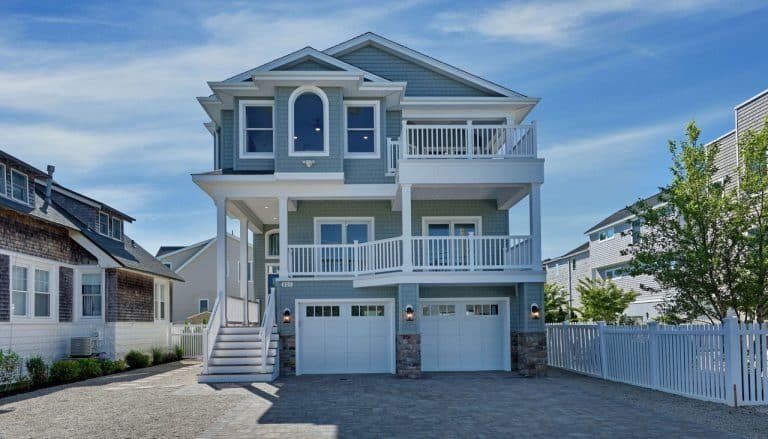
Building in coastal regions comes with unique challenges and responsibilities. The proximity to the ocean means exposure to salt, wind, humidity, and sometimes hurricanes or flooding. At the same time, there is a growing demand for eco friendly coastal building materials that minimize environmental impact while standing up to harsh seaside conditions. This guide explores sustainable options, practical considerations, and best practices for anyone planning to construct or renovate a home near the shore.
Whether you’re a homeowner, builder, or architect, choosing the right materials can make a significant difference in durability, energy efficiency, and the overall ecological footprint of your project. For a deeper dive into construction techniques that enhance longevity and resilience, see coastal construction best practices.
Why Sustainable Materials Matter in Coastal Construction
Coastal environments are ecologically sensitive and often home to unique wildlife and vegetation. Using eco friendly coastal building materials helps protect these fragile ecosystems by reducing pollution, conserving resources, and limiting habitat disruption. Additionally, sustainable materials are often more durable and require less maintenance, which is crucial in areas exposed to salt air and storms.
Traditional building products may leach chemicals or degrade quickly in salty, humid air. By contrast, green alternatives are designed to withstand these elements while minimizing harm to the surrounding environment. This approach supports both the longevity of the structure and the health of the coastal zone.
Top Choices for Eco-Conscious Coastal Building
Selecting the right materials is about balancing sustainability, performance, and aesthetics. Here are some of the most effective options for environmentally responsible coastal homes:
- Recycled and Reclaimed Wood: Sourced from old structures or sustainably managed forests, reclaimed wood offers character and reduces the need for new lumber. When properly treated, it resists rot and pests common in seaside climates.
- Fiber Cement Siding: Made from a blend of cement, sand, and cellulose fibers, this siding is non-combustible, resists salt and moisture, and often contains recycled content. It’s a popular alternative to vinyl or traditional wood siding.
- Bamboo: As a rapidly renewable resource, bamboo is strong, lightweight, and naturally resistant to moisture. It’s suitable for flooring, cabinetry, and even structural elements.
- Recycled Steel: Steel is highly durable and can be manufactured with a significant percentage of recycled content. It’s ideal for framing, roofing, and hurricane-resistant features.
- Composite Decking: Made from recycled plastics and wood fibers, composite decking stands up to salt, sun, and rain without splintering or warping.
- Low-VOC Paints and Sealants: These products emit fewer harmful chemicals, improving indoor air quality and reducing environmental impact during and after construction.
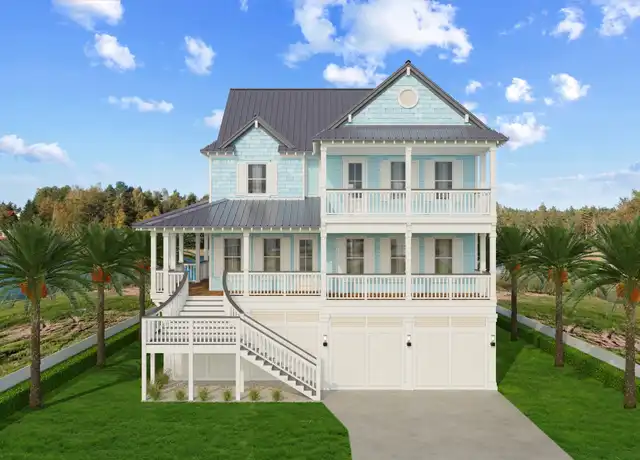
Key Features of Green Materials for the Coast
Not all sustainable building products are suitable for marine environments. When evaluating options, look for these essential characteristics:
- Salt and Moisture Resistance: Materials should be able to withstand constant exposure to salty air and high humidity without corroding, rotting, or degrading.
- Durability: Longevity is crucial for reducing waste and maintenance. Products that last longer need to be replaced less frequently, saving resources and money.
- Non-Toxicity: Avoid materials that leach harmful chemicals into the soil or water, especially in areas prone to flooding or runoff.
- Energy Efficiency: Insulation, windows, and roofing should help regulate indoor temperatures, reducing the need for heating and cooling.
- Local Sourcing: Whenever possible, choose products manufactured close to the building site to minimize transportation emissions and support the regional economy.
Innovative Solutions for Coastal Sustainability
Advances in green technology have led to new products specifically designed for challenging environments. For example, permeable pavers allow rainwater to filter through, reducing runoff and erosion. Solar panels with corrosion-resistant coatings can provide renewable energy even in salty air. Green roofs and living walls help insulate buildings and restore native plant habitats.
Some builders are experimenting with hempcrete, a bio-composite made from hemp fibers and lime, which offers excellent insulation and is naturally mold-resistant. Others use recycled glass tiles for bathrooms and kitchens, combining beauty with sustainability.

Practical Tips for Selecting Eco-Conscious Materials
Choosing the best products for your coastal project involves more than just picking items labeled “green.” Here are some practical steps to guide your decision:
- Assess Site Conditions: Understand the specific challenges of your location, including wind exposure, flood risk, and salt spray.
- Research Product Certifications: Look for third-party certifications like FSC (Forest Stewardship Council) for wood, Cradle to Cradle, or GREENGUARD for indoor air quality.
- Consult Local Experts: Builders and architects familiar with the area can recommend materials proven to perform well in similar environments.
- Balance Cost and Value: While some sustainable options may have a higher upfront cost, their durability and low maintenance often result in long-term savings.
- Plan for Maintenance: Even the best materials need periodic care. Choose products that are easy to clean and repair without harsh chemicals.
For a comprehensive overview of construction methods and planning, you might also find value in reading about what is coastal home construction.
Environmental and Community Benefits
The use of eco friendly coastal building materials goes beyond individual homes. It supports healthier communities by reducing pollution, conserving water, and protecting local wildlife. Sustainable construction can also enhance property values and attract buyers who prioritize environmental responsibility.
Many coastal towns now encourage or require green building practices to safeguard their natural resources. By making thoughtful choices, you contribute to a more resilient and vibrant shoreline for future generations.
Further Resources and Inspiration
For more inspiration and practical advice, consider exploring this essential guide to building your dream coastal home. It covers planning, design, and material selection with a focus on sustainability and long-term value.
If you’re interested in the step-by-step process of constructing a home by the sea, how to build a coastal home offers a detailed roadmap from site selection to finishing touches.
Frequently Asked Questions
What are the most durable eco-friendly materials for coastal homes?
Some of the most resilient options include fiber cement siding, recycled steel, composite decking, and properly treated reclaimed wood. These materials resist salt, moisture, and pests, making them ideal for seaside environments.
How can I ensure my coastal home is both sustainable and storm-resistant?
Choose products that are certified for high wind and moisture resistance, such as hurricane-rated windows and reinforced roofing. Pair these with green materials and construction techniques that minimize environmental impact. For tips on strengthening your build, see coastal house construction basics.
Are there eco-friendly options for decks and outdoor spaces near the ocean?
Yes, composite decking made from recycled plastics and wood fibers is a popular choice. It withstands harsh weather and requires little maintenance. Bamboo and sustainably sourced hardwoods are also suitable when properly sealed.