
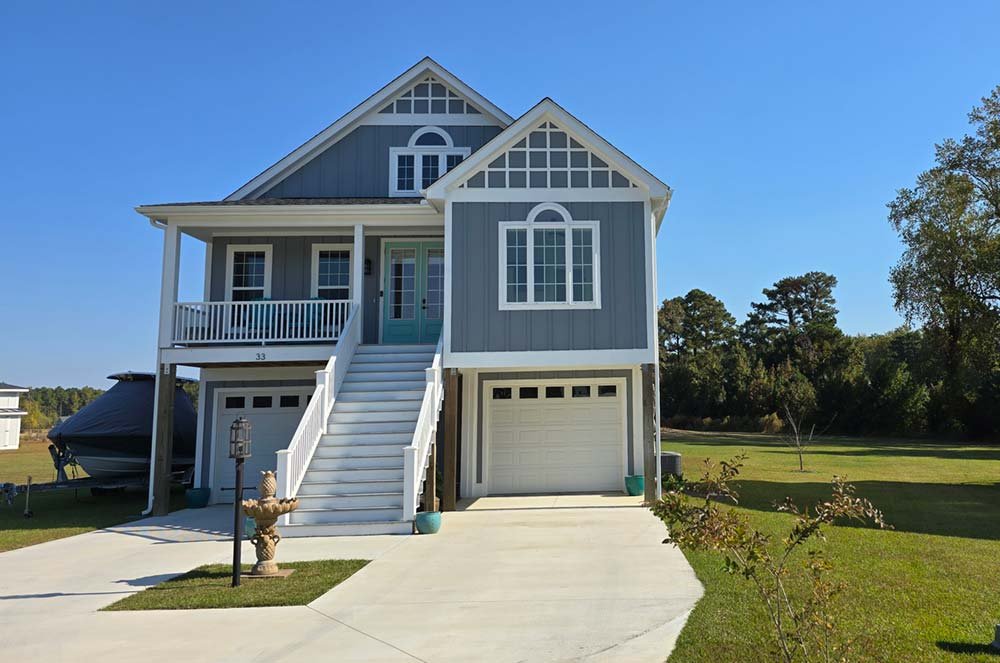
Building near the ocean brings unique challenges and opportunities. One of the most important considerations is choosing the right elevated foundation for coastal homes. These specialized structures are designed to protect properties from flooding, storm surges, and shifting soils common in shoreline environments. Understanding the options, benefits, and construction methods can help homeowners and builders make informed decisions that ensure safety, durability, and long-term value.
For those interested in making the most of their time by the sea, it’s also helpful to be aware of local amenities and regulations. For example, pet owners can benefit from resources like the Jupiter dog beach visitor guide for tourists, which provides practical tips for enjoying the beach with your furry friends.
Why Elevated Foundations Are Essential in Coastal Areas
Coastal regions are beautiful but can be unpredictable. High tides, hurricanes, and erosion can threaten traditional building methods. An elevated foundation for coastal homes lifts the structure above potential flood levels, reducing the risk of water damage and improving overall resilience. This approach is now a standard recommendation in flood-prone zones and is often required by local building codes and insurance providers.
Beyond flood protection, elevating a home can also help prevent mold, wood rot, and pest infestations by allowing better airflow beneath the structure. This design also makes it easier to inspect and maintain utilities such as plumbing and electrical systems.
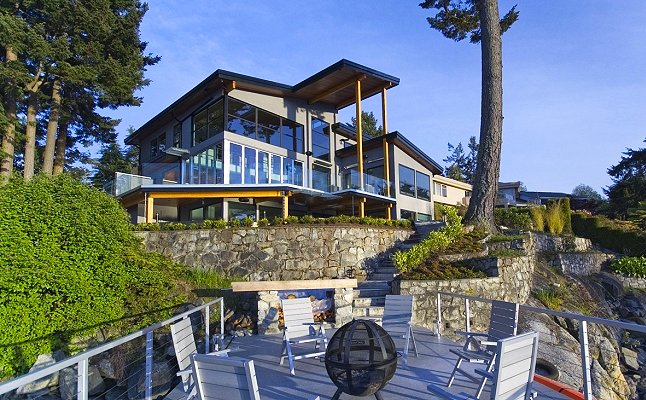
Types of Elevated Foundations for Coastal Properties
There are several foundation systems commonly used in coastal construction. Each has its own advantages and is suitable for different site conditions:
- Pile Foundations: Long columns (piles) are driven deep into the ground to support the home above the floodplain. This method is ideal for sandy or unstable soils and areas with high water tables.
- Pier and Beam Foundations: Concrete or wooden piers are set into the ground and connected by beams, creating a crawl space beneath the house. This system offers good ventilation and is often used for smaller homes.
- Slab-on-Grade with Elevation: In some cases, a reinforced concrete slab is poured on top of a raised fill pad. While less common in high-risk flood zones, this option may be suitable for lots with moderate elevation above sea level.
Choosing the right foundation depends on factors such as soil type, flood risk, local regulations, and budget. Consulting with an experienced coastal builder or structural engineer is essential for selecting the most appropriate system.
Key Benefits of Raised Foundations in Shoreline Construction
Opting for an elevated foundation for coastal homes provides several important benefits:
- Flood Protection: By raising the living space above expected flood levels, homeowners can minimize the risk of costly water damage.
- Insurance Savings: Many insurance companies offer lower premiums for homes built above the base flood elevation, reflecting the reduced risk.
- Long-Term Durability: Elevated homes are less susceptible to moisture-related issues, which can extend the lifespan of the structure.
- Improved Views and Breezes: Lifting the home can enhance ocean views and allow for better natural ventilation, making living spaces more enjoyable.
These advantages make elevated construction a smart investment for anyone building or renovating in a coastal setting.
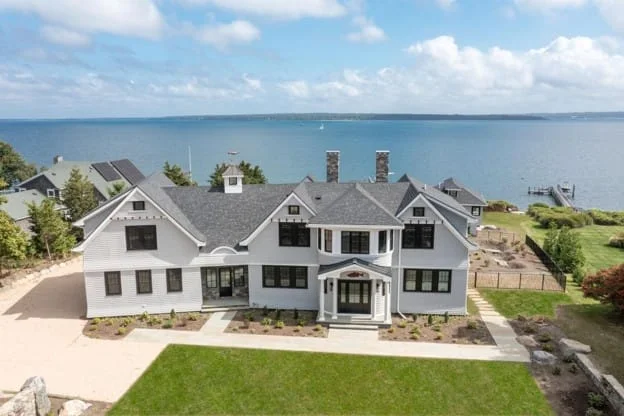
Design Considerations for Coastal Home Foundations
When planning a home near the shoreline, several design factors must be taken into account to ensure the foundation performs as intended:
- Elevation Height: The minimum height above ground level is typically set by local flood maps and building codes. It’s important to check these requirements before starting construction.
- Wind and Wave Forces: Coastal homes must be engineered to withstand high winds and potential wave impact. This may require additional bracing or specialized materials.
- Corrosion Resistance: Salt air can accelerate the deterioration of metal fasteners and concrete. Using corrosion-resistant components is critical for longevity.
- Access and Aesthetics: Elevated homes often require stairs or ramps for entry. Thoughtful design can make these features both functional and attractive.
For more insights on what to consider when building by the sea, check out this comprehensive guide to coastal home construction.
Building Codes and Regulatory Requirements
Local governments and federal agencies have established strict guidelines for building in flood-prone areas. These regulations are designed to protect both property and public safety. Homeowners should be aware of:
- Base Flood Elevation (BFE): This is the minimum height at which the lowest floor of a structure must be built to reduce flood risk.
- Flood Vents: Many codes require vents in the foundation to allow water to flow through and prevent structural damage during flooding.
- Material Standards: Only approved, flood-resistant materials can be used below the BFE.
- Permitting: Building permits are mandatory, and plans must often be reviewed by local authorities or FEMA representatives.
Staying compliant with these rules is essential not just for safety, but also to ensure eligibility for insurance and disaster relief programs.
Maintenance Tips for Elevated Coastal Foundations
Proper maintenance is key to maximizing the lifespan and performance of any foundation, especially in challenging coastal environments. Here are some practical tips:
- Inspect the foundation regularly for signs of erosion, cracking, or settlement.
- Keep the area beneath the home clear of debris to promote airflow and discourage pests.
- Check for rust or corrosion on metal components and treat or replace as needed.
- Ensure that flood vents and drainage systems remain unobstructed.
- After severe weather, have a professional assess the structure for hidden damage.
Routine care can prevent minor issues from becoming major repairs and help protect your investment for years to come.
Integrating Elevated Foundations with Coastal Lifestyles
Living near the ocean offers unique rewards, but it also requires thoughtful planning. An elevated foundation for coastal homes can be seamlessly integrated into modern designs, offering both protection and style. Many homeowners choose to use the space beneath their raised homes for parking, storage, or even outdoor living areas. With the right approach, elevated construction can enhance both the functionality and beauty of a coastal property.
For those who enjoy bringing pets to the beach, it’s also important to follow local rules and maintain cleanliness. Resources such as advice on how to dispose of dog waste properly at the beach can help keep coastal areas enjoyable for everyone.
Frequently Asked Questions
What is the most common type of elevated foundation for coastal homes?
The most widely used system is the pile foundation, where long columns are driven deep into the ground to support the structure above flood levels. This method is especially effective in sandy or unstable soils typical of many shoreline areas.
How high should a coastal home be elevated?
The required elevation depends on local flood maps and building codes, but homes are typically raised at least several feet above the base flood elevation (BFE) to minimize flood risk and comply with regulations.
Are elevated foundations more expensive than traditional ones?
Yes, building an elevated foundation generally involves higher upfront costs due to specialized engineering and materials. However, these costs are often offset by lower insurance premiums, reduced risk of flood damage, and increased property value over time.