
Jupiter, Florida is home to a remarkable diversity of birdlife, including several species that are threatened or at risk. The region’s unique mix of coastal habitats, wetlands, and forests makes it a vital refuge for rare and declining birds. As development and climate pressures increase, the need for endangered bird conservation Jupiter FL efforts has never been more urgent. Whether you’re a resident, visitor, or passionate birdwatcher, there are meaningful ways to support local conservation and help protect these remarkable creatures for future generations.
This guide outlines the key species at risk, local organizations making a difference, and practical steps you can take to contribute. For those interested in learning more about specific species and where to spot them, the endangered birds in Jupiter FL resource offers detailed insights into local hotspots and ongoing projects.
Why Local Bird Conservation Matters
The Jupiter area serves as a critical habitat for a variety of endangered and threatened birds, from the Florida Scrub-Jay to the Wood Stork and migratory warblers. These birds rely on intact ecosystems for nesting, feeding, and shelter. When habitats are lost or degraded, bird populations can decline rapidly, sometimes to the brink of extinction.
Conservation efforts not only benefit birds but also support the health of the entire ecosystem. Wetlands filter water, forests provide shade and oxygen, and native plants support pollinators and other wildlife. By protecting birds, we help maintain the natural balance that makes Jupiter such a unique and beautiful place.
Key Species at Risk in Jupiter and Surrounding Areas
Several bird species in the region are listed as endangered, threatened, or of special concern. Some of the most notable include:
- Florida Scrub-Jay: The only bird species endemic to Florida, now limited to shrinking patches of scrub habitat.
- Wood Stork: A large wading bird that depends on healthy wetlands for feeding and nesting.
- Red-cockaded Woodpecker: Found in mature pine forests, this species faces habitat loss from development and fire suppression.
- Least Tern: A small shorebird that nests on sandy beaches, vulnerable to disturbance and habitat loss.
- Swallow-tailed Kite: A striking raptor that migrates through the area and relies on large tracts of forested wetlands.
For more details on where to observe these and other rare birds, check out the guide to rare bird sightings Jupiter Florida and the seasonal migration tips for warblers in Jupiter FL.
How to Support Endangered Bird Conservation Efforts
There are many ways individuals and families can make a difference for birds in the Jupiter area. Here are some practical steps to get started:
Participate in Local Habitat Restoration
Many organizations host volunteer days focused on removing invasive plants, planting native vegetation, and restoring wetlands. These hands-on activities directly improve habitat quality for threatened birds. Look for opportunities with local groups such as the Loxahatchee River Center, Audubon Society, or county parks.
Practice Responsible Birdwatching
Observing birds is a rewarding way to connect with nature and support conservation. Always keep a respectful distance from nests and roosting sites, avoid loud noises, and stay on marked trails. Using binoculars and field guides can enhance your experience while minimizing disturbance.

Support Local Conservation Organizations
Donating to or volunteering with groups focused on bird and habitat protection can amplify your impact. Organizations like the Palm Beach County Audubon Society, Busch Wildlife Sanctuary, and Friends of Jupiter Beach regularly organize cleanups, educational events, and advocacy campaigns.
Advocate for Bird-Friendly Policies
Stay informed about local development proposals and environmental regulations. Support initiatives that protect wetlands, forests, and coastal habitats. Your voice can help ensure that conservation remains a priority in community planning.
Top Places to Experience Birdlife in Jupiter
Jupiter offers a range of accessible locations for observing birds and learning about their habitats. Some of the best spots include:
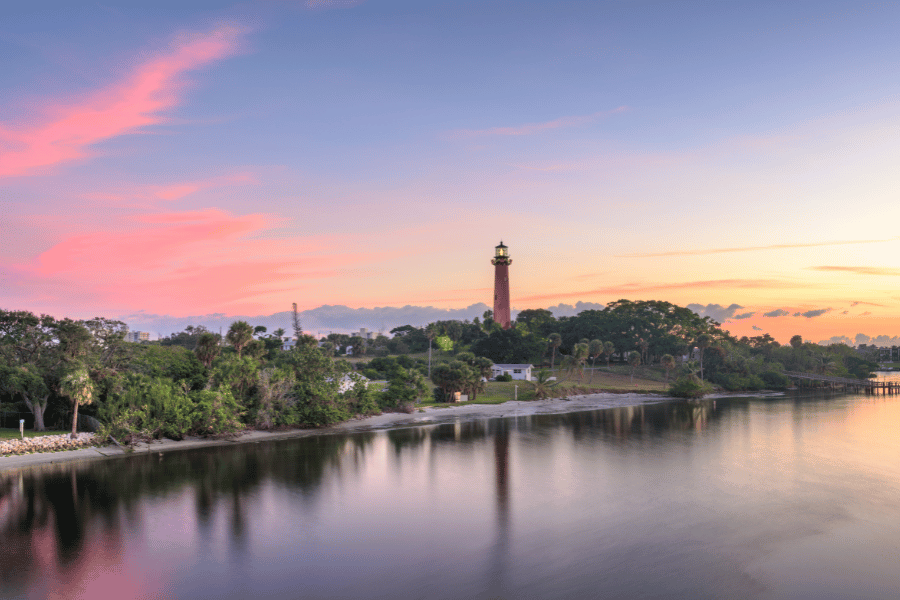
- Jupiter Inlet Lighthouse Outstanding Natural Area: Features coastal scrub, mangroves, and interpretive trails.
- Riverbend Park: Offers extensive trails through pine flatwoods and wetlands, ideal for spotting woodpeckers and wading birds.
- Juno Dunes Natural Area: A mix of scrub, hammock, and wetland habitats supporting a variety of species.
- Jonathan Dickinson State Park: One of the largest parks in the region, home to rare birds and diverse ecosystems.
For a deeper dive into coastal species, the sea birds in Jupiter Florida guide highlights the best times and places to observe terns, gulls, and pelicans along the shoreline.
Connecting with the Birdwatching Community
Getting involved with local birdwatching groups is a great way to learn, share sightings, and contribute to citizen science. Many organizations host guided walks, workshops, and bird counts throughout the year. Participating in these activities helps monitor bird populations and informs conservation strategies.
For additional tips on spotting woodpeckers and other forest species, the woodpeckers in Jupiter FL article provides trail recommendations and identification advice.
If you’re curious about birdwatching opportunities in neighboring communities, birdwatching in Tequesta offers a helpful overview of where to see Florida’s native birds just north of Jupiter.
Frequently Asked Questions
What are the biggest threats to endangered birds in Jupiter?
The primary dangers include habitat loss from development, pollution, invasive species, and climate change. Disturbance from recreational activities and domestic pets can also impact nesting success. Supporting endangered bird conservation Jupiter FL efforts helps address these challenges.
How can I identify endangered birds in the field?
Using a Florida-specific field guide and binoculars makes identification easier. Pay attention to size, color patterns, calls, and behavior. Many local parks have interpretive signs and guided walks to help visitors learn about rare species.
Are there volunteer opportunities for families?
Yes, many local organizations welcome volunteers of all ages for habitat restoration, cleanups, and educational events. Check with local Audubon chapters, nature centers, or county parks for upcoming opportunities.
Where can I learn more about seasonal bird migrations?
The warblers in Jupiter FL guide covers migration patterns and the best times to observe different species passing through the area.
By taking small steps—whether volunteering, advocating, or simply enjoying birds responsibly—you can help ensure that Jupiter’s avian treasures thrive for generations to come.