
The lush wetlands, coastal preserves, and subtropical habitats of Jupiter, Florida, are home to a remarkable array of avian species. Among them, several face the threat of extinction, making this region a critical area for bird conservation. For birdwatchers, nature enthusiasts, and residents alike, understanding the status of endangered birds in Jupiter FL is essential for both appreciation and protection of these unique creatures. This guide explores key conservation sites, highlights notable threatened species, and offers practical tips for responsible birding in the area.
If you’re interested in expanding your birdwatching experience, you might also enjoy learning about ibis sightings in Jupiter or discovering the best places to observe songbirds in Jupiter. These resources provide additional insight into the diverse birdlife that calls Jupiter home.
Why Jupiter’s Habitats Matter for Threatened Birds
Jupiter’s unique geography, where freshwater rivers meet the Atlantic Ocean, creates a mosaic of habitats—mangroves, estuaries, pine flatwoods, and coastal dunes. These environments are essential for the survival of several rare and at-risk bird species. The area’s protected lands, such as wildlife refuges and parks, serve as vital nesting, feeding, and migratory stopover points.
Conservation efforts here not only benefit local wildlife but also support broader ecological health, including water quality and plant diversity. By safeguarding these habitats, Jupiter plays a crucial role in the regional and even global preservation of vulnerable birds.
Key Conservation Sites for Rare Birds in Jupiter
Several locations in and around Jupiter are recognized as hotspots for observing and protecting imperiled avian species. These sites are managed by local, state, and federal agencies, often with the help of volunteers and conservation groups.
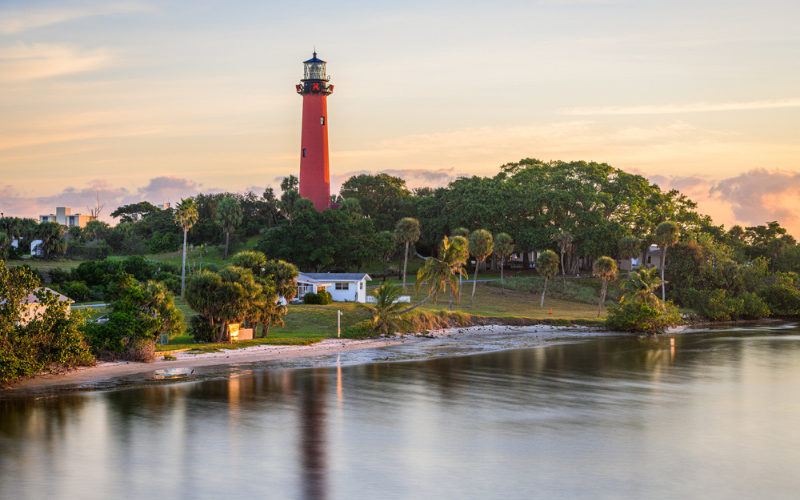
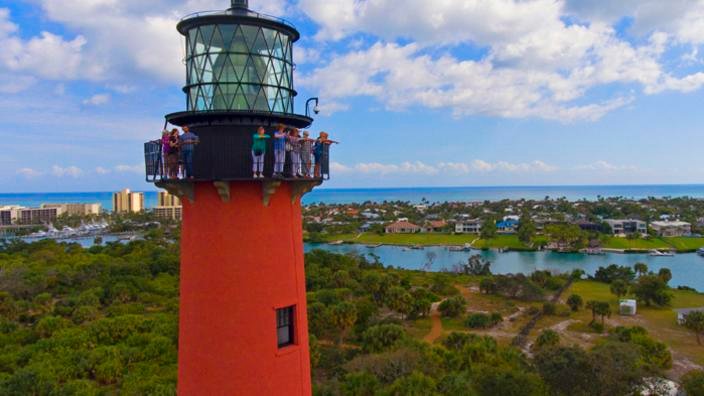
- Jupiter Inlet Lighthouse Outstanding Natural Area: This federally protected site features coastal scrub, mangroves, and tidal creeks. It’s a haven for the Florida scrub-jay, a federally threatened species found only in Florida.
- Loxahatchee River and Jonathan Dickinson State Park: The river’s floodplain and adjacent pine flatwoods provide critical habitat for the wood stork (federally threatened) and the snail kite (federally endangered).
- Juno Dunes Natural Area: This coastal preserve supports nesting sites for the least tern (state threatened) and offers foraging grounds for migratory shorebirds.
Notable Endangered and Threatened Species in the Area
Several birds in the Jupiter region are listed as endangered, threatened, or of special concern at the state or federal level. Here are some of the most significant:
- Florida Scrub-Jay: The only bird species endemic to Florida, the scrub-jay depends on scrub oak habitats that are increasingly rare due to development. Its population is declining, making every remaining colony important.
- Wood Stork: Recognizable by its bald head and long legs, the wood stork nests in cypress swamps and forages in shallow wetlands. Habitat loss and water management changes have put this species at risk.
- Snail Kite: This raptor specializes in eating apple snails and is highly sensitive to changes in wetland hydrology. Its range in Florida is limited, and Jupiter’s marshes are among its few remaining strongholds.
- Least Tern: These small, graceful shorebirds nest on sandy beaches and dunes. Human disturbance and coastal development threaten their breeding success.
- Reddish Egret: Although not federally listed, this striking wader is considered near-threatened in Florida and is a highlight for birders visiting the region.
For those interested in learning more about other coastal and migratory species, the birds of Jupiter Inlet article provides additional details on the area’s avifauna.
Best Practices for Birdwatching and Conservation
Observing rare birds in Jupiter is a rewarding experience, but it comes with responsibility. Here are some tips to help protect these species while enjoying their presence:
- Keep a respectful distance: Use binoculars or a spotting scope to observe birds without disturbing them, especially during nesting season.
- Stay on marked trails: Avoid trampling sensitive vegetation or entering closed areas, which are often protected for nesting or habitat restoration.
- Minimize noise: Loud sounds can disrupt feeding and breeding behaviors.
- Do not feed wildlife: Human food can harm birds and alter their natural behaviors.
- Report sightings: If you spot a banded or tagged bird, report it to local conservation organizations to aid research and monitoring.
For more tips on observing large wading birds, check out the guide on herons and egrets in Jupiter FL, which covers the best local birding spots and ethical viewing practices.
How Local Conservation Efforts Are Making a Difference
Jupiter’s conservation success stories are the result of collaboration between government agencies, non-profits, and citizen scientists. Habitat restoration projects, prescribed burns, invasive species removal, and public education programs all contribute to the recovery of rare birds.
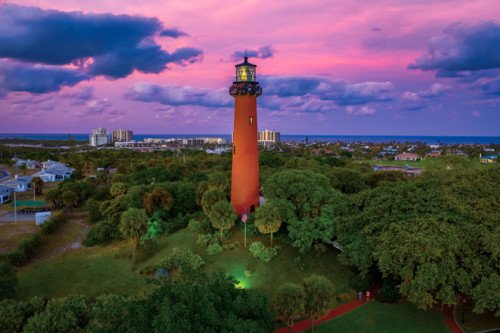
For example, ongoing efforts to restore scrub habitat at the Jupiter Inlet Lighthouse Outstanding Natural Area have led to increases in Florida scrub-jay numbers. Similarly, wetland restoration along the Loxahatchee River supports healthy populations of wood storks and snail kites.
Birdwatchers can support these initiatives by volunteering, participating in citizen science projects, or simply following ethical birding guidelines. Every small action helps ensure that future generations can enjoy the region’s avian diversity.
Planning Your Birdwatching Trip to Jupiter
The best time to observe rare birds in Jupiter is during the winter and spring months, when migratory species join year-round residents. Early mornings and late afternoons offer optimal light and activity. Bring a field guide and binoculars, and consider joining a guided walk or local birding group for expert insight.
For those seeking more locations to explore, the top birdwatching locations in Florida article provides a broader look at the state’s best sites for avian observation.
Don’t forget to check out the pelicans in Jupiter FL guide for tips on spotting these iconic coastal birds during your visit.
Frequently Asked Questions
Which endangered birds are most commonly seen in Jupiter’s parks and preserves?
The most frequently observed threatened species include the Florida scrub-jay in scrub habitats, wood stork in wetlands, and least tern along sandy beaches. Sightings of snail kites are possible in marshes, especially near the Loxahatchee River.
How can visitors help protect rare birds while birdwatching?
Visitors can help by staying on designated trails, keeping a safe distance from wildlife, avoiding loud noises, and not feeding birds. Reporting sightings of banded or tagged birds to local organizations also supports research and conservation.
Are there guided tours or local groups focused on bird conservation in Jupiter?
Yes, several organizations offer guided bird walks and educational programs in the area. Local Audubon chapters, state parks, and nature centers often host events that highlight conservation efforts and teach responsible birdwatching practices.