
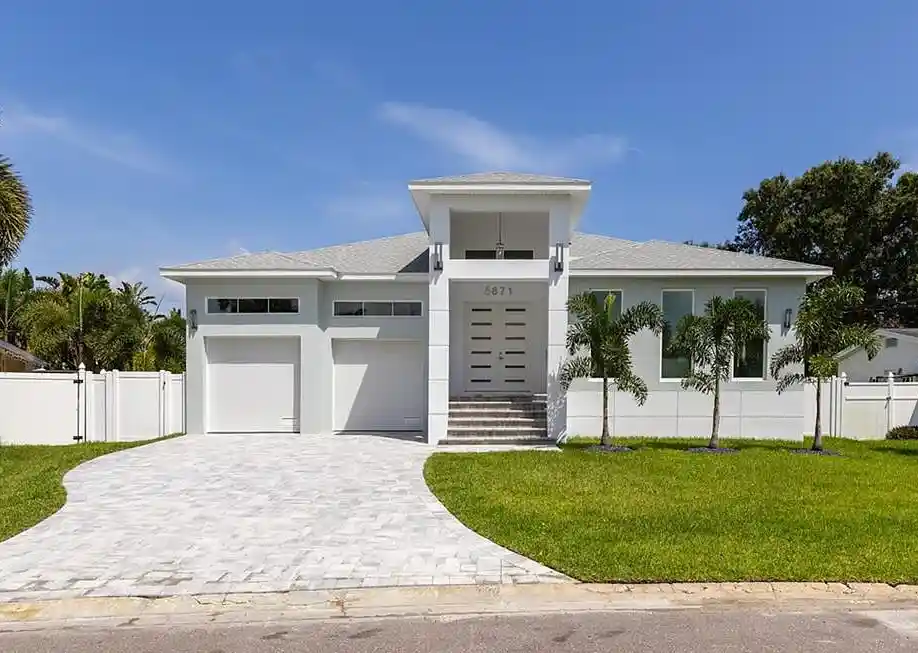
The landscape of building homes along the coast is rapidly evolving. As climate change, technology, and shifting homeowner priorities reshape the industry, new approaches to design, materials, and sustainability are emerging. Understanding the future trends in coastal home construction is essential for anyone planning to build, renovate, or invest in a shoreline property. This article explores the leading innovations, challenges, and opportunities shaping the next generation of seaside residences.
Whether you are a homeowner, builder, or real estate professional, staying informed about these developments can help you make smarter decisions and ensure your property remains resilient, efficient, and desirable. For those considering a new build, it’s also wise to review resources like the coastal home construction timeline to understand the process from start to finish.
Resilient Design and Building for Climate Change
One of the most significant shifts in coastal building is the emphasis on resilient design. Rising sea levels, stronger storms, and increased flooding risks are prompting architects and builders to adopt strategies that protect homes and their occupants. Elevated foundations, reinforced structural systems, and flood-resistant materials are becoming standard features in new coastal properties.
For instance, many new homes are constructed on pilings or piers to minimize flood damage. Impact-resistant windows and doors, as well as hurricane-rated roofing systems, are also widely used. These measures not only safeguard the property but can also lead to lower insurance premiums and improved long-term value.

Eco-Friendly Materials and Sustainable Practices
Sustainability is at the forefront of modern coastal construction. Builders are increasingly turning to eco-friendly materials such as recycled steel, composite decking, and low-VOC paints. These choices reduce environmental impact and contribute to healthier indoor air quality.
Water conservation is another key focus. Rainwater harvesting systems, permeable paving, and drought-tolerant landscaping help minimize water usage and runoff. Solar panels, energy-efficient HVAC systems, and smart home technology are also being integrated to reduce energy consumption and carbon footprint.
For a comprehensive overview of building a sustainable shoreline residence, the ultimate guide to building your coastal dream home offers valuable insights into eco-conscious design and construction.
Smart Home Technology and Automation
The integration of smart technology is transforming how coastal homes are managed and enjoyed. Automated lighting, climate control, and security systems allow homeowners to monitor and adjust their properties remotely. This is especially valuable for vacation homes or properties that are unoccupied for extended periods.
Modern coastal houses often feature sensors that detect moisture, leaks, or extreme weather conditions, alerting owners to potential issues before they escalate. Voice-activated assistants and app-controlled devices add convenience and can help optimize energy use, further supporting sustainability goals.

Customization and Flexible Living Spaces
As lifestyles and family needs evolve, so does the demand for customized design in coastal homes. Open floor plans, multi-purpose rooms, and adaptable outdoor spaces are increasingly popular. Homeowners are seeking layouts that can accommodate remote work, entertaining, and relaxation, all while maximizing ocean views and natural light.
Outdoor living areas—such as decks, patios, and rooftop terraces—are being designed to withstand harsh coastal conditions while providing comfortable, year-round enjoyment. Flexible spaces that can transition from indoor to outdoor living are highly sought after in modern shoreline residences.
Regulatory Changes and Building Codes
Local and federal regulations are also influencing the direction of coastal construction. Updated building codes now require stricter standards for wind resistance, flood mitigation, and energy efficiency. Builders and homeowners must stay informed about these requirements to ensure compliance and avoid costly delays.
Working with experienced professionals who understand the unique challenges of coastal environments is crucial. For guidance on selecting the right team, refer to the how to choose coastal home builder resource.
Maintenance, Warranties, and Long-Term Value
Proper maintenance is essential for preserving the value and safety of any shoreline property. Salt air, humidity, and extreme weather can accelerate wear and tear, making regular inspections and upkeep a necessity. Many builders now offer extended warranties and maintenance packages tailored to the needs of coastal homes.
For advice on protecting your investment, the coastal home warranty guide provides detailed information on what to look for in a warranty and how to ensure your property is covered against common risks.
Preparing for Natural Disasters and Recovery
Despite all precautions, natural disasters such as hurricanes and flooding remain a reality for coastal residents. Modern construction trends emphasize not only prevention but also rapid recovery. Modular building techniques, pre-fabricated components, and resilient landscaping can help speed up rebuilding efforts after a storm.
For those who have experienced damage or are planning for the future, the coastal home rebuilding after hurricane guide offers practical steps for restoring your property and improving its resilience for the years ahead.
Frequently Asked Questions
What are the most important features for a resilient coastal home?
Key features include elevated foundations, hurricane-rated windows and doors, reinforced roofing, and the use of flood-resistant materials. Smart technology for monitoring weather and detecting leaks also adds an extra layer of protection.
How can I make my coastal home more sustainable?
Use eco-friendly building materials, install solar panels, incorporate rainwater harvesting, and choose energy-efficient appliances. Drought-tolerant landscaping and permeable paving can further reduce environmental impact.
Are there special building codes for homes near the ocean?
Yes, coastal areas often have stricter building codes to address wind, flood, and salt exposure. These regulations may affect foundation height, structural reinforcements, and material choices. Always consult local authorities and experienced builders to ensure compliance.