
The lush landscapes and coastal habitats of Jupiter, Florida, provide an ideal environment for a variety of raptors, especially hawks. These impressive birds of prey are a common sight soaring above parks, wetlands, and neighborhoods, captivating both seasoned birdwatchers and casual observers. Understanding how to spot and appreciate these raptors safely is key to enjoying their presence while respecting their role in the local ecosystem.
Whether you’re a resident or a visitor, learning about the different hawk species found in this region, the best viewing locations, and the most responsible ways to observe them can enhance your outdoor experiences. This guide offers practical tips for identifying, watching, and photographing hawks in the Jupiter area, along with essential safety and conservation advice.
If you’re interested in exploring other birdlife in the region, you might also enjoy our guide to ibis sightings in Jupiter, which highlights where to watch these distinctive wading birds.
Common Raptors Found in Jupiter’s Skies
The area is home to several hawk species, each with unique characteristics and behaviors. Some of the most frequently observed raptors include:
- Red-shouldered Hawk: Recognizable by its striking reddish shoulders and banded tail, this species is often seen perched on telephone poles or gliding over wetlands.
- Cooper’s Hawk: Agile and fast, Cooper’s Hawks are skilled hunters of smaller birds and can be spotted darting through wooded neighborhoods.
- Red-tailed Hawk: With its broad wings and distinctive rusty tail, the Red-tailed Hawk is a year-round resident, frequently seen soaring over open fields.
- Short-tailed Hawk: Less common but still present, this raptor is notable for its variable plumage and preference for forested areas.
Observing these birds in their natural habitats not only provides a thrilling wildlife experience but also offers insight into the ecological health of the region.
Top Spots for Watching Hawks Around Jupiter
Locating hawks in Jupiter, Florida, is easier when you know where to look. The following areas are popular among birdwatchers for their abundance of raptors and scenic beauty:
- Riverbend Park: With its mix of pine flatwoods, wetlands, and open spaces, Riverbend Park is a prime location for spotting hawks in flight or perched in tall trees.
- Jupiter Ridge Natural Area: This coastal preserve offers elevated viewpoints and diverse habitats that attract a variety of raptors.
- Jonathan Dickinson State Park: Just north of Jupiter, this expansive park is home to numerous birds of prey, especially during migration seasons.
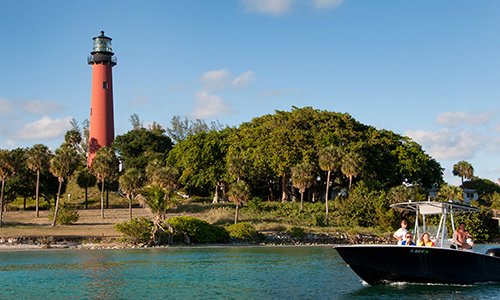
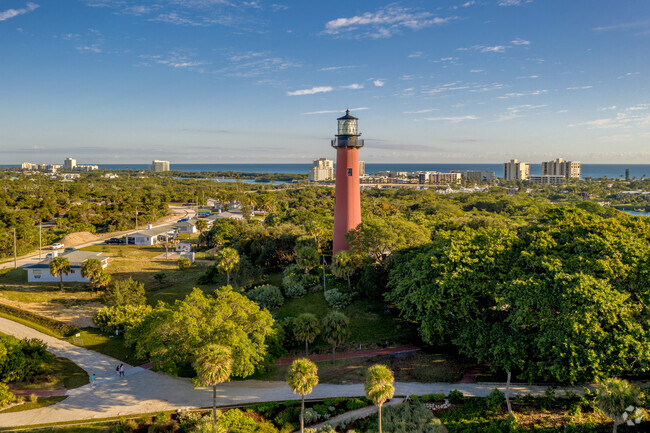
- Jupiter Inlet Lighthouse Outstanding Natural Area: The open skies and native vegetation surrounding the lighthouse create excellent conditions for observing hawks and other wildlife.
For more information on protected natural sites in the region, check out this overview of North Palm Beach preserved sites, which details additional birding opportunities near Jupiter.
How to Identify Hawks in the Jupiter Area
Spotting hawks in this region is an exciting challenge for bird enthusiasts. Here are some tips to help you distinguish between the different species:
- Size and Shape: Red-tailed Hawks are large with broad wings, while Cooper’s Hawks are slimmer and have rounded wings and long tails.
- Color Patterns: Look for the reddish shoulders of the Red-shouldered Hawk or the pale underside of the Short-tailed Hawk.
- Flight Style: Red-shouldered Hawks often soar in wide circles, while Cooper’s Hawks fly with rapid wingbeats and short glides.
- Calls: Each species has a distinctive call. For example, the Red-shouldered Hawk’s loud “kee-aah” is a common sound in local parks.
Carrying a field guide or using a bird identification app can help confirm your sightings. For those interested in other avian residents, our article on songbirds in Jupiter offers tips for listening and observing smaller species.
Best Practices for Safe and Respectful Raptor Viewing
Observing hawks and other raptors is most rewarding when done responsibly. Here are key guidelines to ensure both your safety and the well-being of the birds:
- Keep Your Distance: Use binoculars or a camera with zoom to watch hawks without disturbing them. Avoid approaching nests or perches too closely.
- Stay on Trails: Stick to marked paths in parks and preserves to minimize habitat disturbance and reduce the risk of startling wildlife.
- Observe Quietly: Sudden movements and loud noises can frighten birds away. Move slowly and speak softly when in raptor habitats.
- Do Not Feed or Bait: Feeding wild hawks can disrupt their natural hunting behaviors and may be harmful to their health.
- Respect Nesting Seasons: During breeding months, give nesting areas extra space to avoid causing stress or abandonment.
Following these practices helps maintain healthy raptor populations and ensures that future generations can enjoy observing these magnificent birds.

Photography Tips for Capturing Hawks in the Wild
Photographing raptors in Jupiter’s natural areas can be both challenging and rewarding. Here are some tips for capturing memorable images:
- Use a Telephoto Lens: A lens with at least 300mm focal length allows you to photograph hawks from a respectful distance.
- Choose the Right Time: Early mornings and late afternoons offer the best lighting and increased raptor activity.
- Be Patient: Hawks may remain perched for long periods before taking flight. Waiting quietly increases your chances of capturing dynamic shots.
- Focus on the Eyes: Sharp focus on the bird’s eyes brings life to your images and highlights the hawk’s intensity.
- Respect Boundaries: Never approach too closely for a photo. Use your camera’s zoom and crop images as needed.
For those interested in coastal and migratory species, our feature on birds of Jupiter Inlet provides additional photography and observation tips.
Conservation and the Importance of Raptors in Jupiter
Hawks and other birds of prey play a vital role in maintaining ecological balance by controlling populations of rodents and other small animals. Protecting their habitats ensures the health of local ecosystems and supports biodiversity.
Residents and visitors can contribute to raptor conservation by supporting local parks, participating in citizen science projects, and advocating for the protection of natural areas. If you’re interested in learning about other iconic birds in the region, our guide to herons and egrets in Jupiter FL highlights the best birding spots for these elegant waders.
Frequently Asked Questions
What is the best time of year to observe hawks in Jupiter?
While many raptors are present year-round, the fall and spring migration periods bring increased hawk activity. Early mornings during these seasons are ideal for sightings.
Are there guided tours or birdwatching groups in Jupiter?
Yes, local nature centers and parks often offer guided birdwatching walks and educational programs. Joining a group can enhance your experience and help you learn from more experienced birders.
How can I tell the difference between a hawk and other large birds?
Hawks typically have broad wings, hooked beaks, and a distinctive flight pattern. Comparing size, shape, and behavior with other birds like vultures or ospreys can help with identification. Using a field guide or birding app is also helpful.
What should I do if I find an injured hawk?
If you encounter an injured raptor, contact a licensed wildlife rehabilitator or local animal control. Do not attempt to handle the bird yourself, as raptors can be dangerous and require specialized care.
Can I attract hawks to my backyard?
While it’s not advisable to feed hawks directly, maintaining a natural landscape with native plants and avoiding pesticides can create a habitat that supports the prey species hawks rely on, making your yard more attractive to these birds.
For more tips on enjoying wildlife responsibly, see our recommendations for pelicans in Jupiter FL, which includes viewing locations and ethical observation advice.