
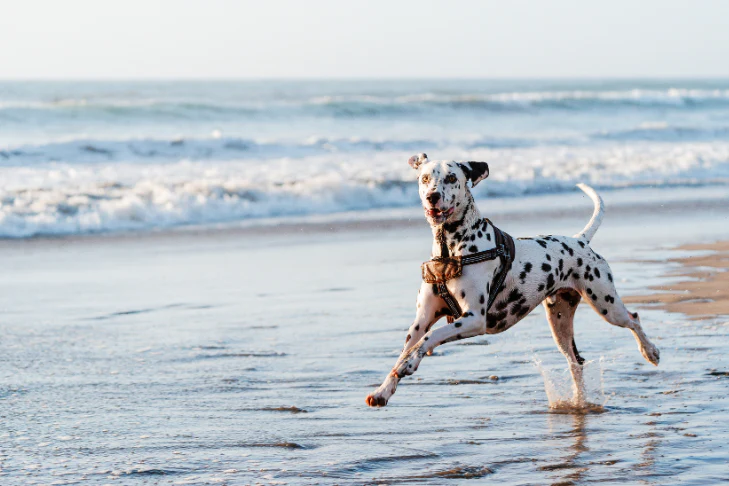
Jupiter Beach is a favorite destination for dog owners and outdoor enthusiasts in Florida. With its beautiful shoreline, pet-friendly policies, and vibrant natural habitats, it’s a fantastic place to spend time with your furry companion. However, the warm, humid climate and lush vegetation also make this area a hotspot for ticks and fleas. These pests can pose health risks to both pets and humans, so understanding how to avoid ticks and fleas at Jupiter Beach is essential for a safe and enjoyable visit.
This guide covers practical steps to minimize exposure to these parasites, effective prevention strategies, and what to do if you spot a tick or flea on your pet. For more insights and real pet owner experiences, you can check out Jupiter dog beach reviews for pet owners to learn from the local community.
Understanding the Risks: Why Ticks and Fleas Thrive Near the Beach
While many associate ticks and fleas with wooded areas, these pests are also common in coastal environments like Jupiter Beach. The combination of sandy dunes, grassy patches, and warm weather creates an ideal breeding ground. Dogs running through vegetation or resting in shaded areas can easily pick up these parasites. Both ticks and fleas can transmit diseases, such as Lyme disease and tapeworms, making prevention a priority for pet owners.
Pre-Visit Preparation: Steps to Take Before Heading to Jupiter Beach
Preparation is key to reducing the risk of encountering ticks and fleas. Here are some important steps to take before your beach outing:
- Apply veterinarian-approved flea and tick preventatives to your pet. Options include topical treatments, oral medications, and collars. Consult your vet for the best choice based on your dog’s health and lifestyle.
- Check your dog’s coat for any signs of pests before leaving home. Early detection can prevent infestations from spreading.
- Pack essentials such as a brush, flea comb, and a small first-aid kit. These items can help you address any issues immediately if you find a tick or flea during your visit.
- Bring fresh water and a portable bowl to keep your pet hydrated. Dehydration can make pets more susceptible to pests and other health issues.

Smart Habits During Your Beach Visit: Minimizing Exposure
While enjoying the sand and surf, adopting a few smart habits can further reduce the risk of ticks and fleas:
- Stick to open, sandy areas where pests are less likely to hide. Avoid letting your dog roam through dense grass, brush, or dune vegetation.
- Keep your pet on a leash when near high-risk areas. This gives you better control and helps prevent them from wandering into tick-prone spots.
- Regularly check your dog’s fur, especially around the ears, neck, and paws. These are common places for ticks and fleas to latch on.
- Bring a towel or blanket for your dog to rest on, rather than letting them lie directly on the sand or grass.
For additional tips on keeping your dog safe and active at the beach, you might find Jupiter Beach dog jumping in waves safety helpful, especially if your pet loves the water.
After the Beach: Post-Visit Checks and Cleaning
Once your beach day is over, a thorough post-visit routine is essential to catch any hitchhiking pests:
- Brush your dog’s coat carefully, paying attention to hidden areas like under the collar, between toes, and around the tail.
- Use a flea comb to check for small, fast-moving fleas or flea dirt (tiny black specks).
- Inspect your dog’s skin for any attached ticks. If you find one, use fine-tipped tweezers to remove it gently, pulling straight out without twisting.
- Wash your dog with a gentle pet shampoo if possible. This can help remove any remaining pests and soothe irritated skin.
- Launder any towels, blankets, or bedding used at the beach in hot water to kill lingering fleas or ticks.

Choosing the Right Preventatives for Your Dog
There are a variety of products designed to protect dogs from ticks and fleas. The most common options include:
- Topical treatments applied monthly to your dog’s skin
- Oral medications that provide systemic protection
- Collars that repel and kill pests for several months
Each method has its pros and cons, so it’s best to consult your veterinarian. They can recommend the most effective and safe option for your pet’s age, size, and health status. Remember, no product is 100% foolproof, so combining preventatives with good habits is the best defense.
Understanding Local Conditions: Why Jupiter Beach Is Unique
Jupiter Beach’s subtropical climate means that ticks and fleas are active nearly year-round. The mix of native plants, wildlife, and frequent visitors creates a dynamic environment where pests can thrive. Staying informed about local conditions and recent pest activity can help you plan your visit more safely. For a broader look at pet-friendly coastal destinations, you can explore dog-friendly beaches in Florida for more travel tips and advice.
What to Do If You Find a Tick or Flea on Your Pet
If you discover a tick or flea on your dog after a beach visit, prompt action is important:
- Remove ticks with fine-tipped tweezers, grasping as close to the skin as possible and pulling straight out.
- Dispose of the tick by placing it in alcohol or flushing it down the toilet. Clean the bite area with antiseptic.
- For fleas, bathe your dog with flea shampoo and use a flea comb to remove any remaining pests.
- Monitor your pet for signs of illness, such as lethargy, loss of appetite, or skin irritation. Contact your veterinarian if you notice anything unusual.
Extra Tips for a Safe and Fun Beach Day
- Bring plenty of fresh water to keep your pet hydrated and discourage them from drinking from puddles or standing water, which can harbor parasites.
- Keep your dog’s fur trimmed, especially in areas where pests like to hide.
- Consider dressing your dog in a lightweight shirt or vest to provide an extra barrier against ticks and fleas.
- Stay up to date on local advisories or pest outbreaks by checking community boards or speaking with other pet owners.
If you’re planning a special outing, such as a celebration for your furry friend, you might enjoy reading about how to plan a dog birthday party at Jupiter Beach for more ideas on making the most of your visit.
Frequently Asked Questions
Are ticks and fleas a year-round problem at Jupiter Beach?
Yes, the warm and humid climate in South Florida means that ticks and fleas are active throughout the year. While their numbers may peak in spring and summer, it’s important to use preventatives and stay vigilant during every visit.
What are the signs that my dog has picked up ticks or fleas?
Common signs include excessive scratching, biting, or licking, especially around the ears, neck, and tail. You may also notice small dark specks (flea dirt) or see the pests themselves. Ticks often appear as small bumps attached to the skin.
Can I use natural remedies to protect my dog from pests at the beach?
Some natural products, like essential oil sprays, may help repel pests, but they are generally less effective than veterinarian-approved preventatives. Always consult your vet before using any new product, especially on puppies or dogs with sensitive skin.
Conclusion
Staying proactive about how to avoid ticks and fleas at Jupiter Beach helps ensure a safe, healthy, and fun experience for both you and your pet. By combining effective preventatives, smart habits, and regular checks, you can minimize the risk of pest-related problems and make the most of your time on the sand. For more tips on safe beach outings with your dog, consider reading about how to tell if the water is too rough for your dog before your next adventure.