
Constructing a residence by the shore is a unique and rewarding endeavor. The process involves careful planning, specialized materials, and a deep understanding of the coastal environment. Whether you’re dreaming of a beachside retreat or preparing to invest in a property near the ocean, knowing how to build a coastal home can help you avoid costly mistakes and ensure your new house stands strong against the elements.
From choosing the right location and materials to navigating permits and environmental regulations, each phase requires attention to detail. This article will walk you through the essential steps, highlight common challenges, and provide practical tips for a successful coastal build. If you’re passionate about protecting the local ecosystem while developing your property, you might also be interested in conservation tips for protecting birds in Jupiter FL.

Planning and Site Selection for Your Coastal Property
The first step in any shoreline construction project is selecting the right plot of land. Coastal sites come with unique challenges, such as erosion, flooding, and exposure to high winds. Before purchasing, research local zoning laws, building codes, and environmental restrictions. Consult with local authorities and coastal engineers to evaluate the suitability of the land.
Consider the following during site selection:
- Flood zones: Check FEMA flood maps and understand the implications for insurance and construction requirements.
- Soil stability: Sandy or marshy soils may require special foundations.
- Access to utilities: Ensure water, electricity, and sewage systems are available or can be installed.
- Environmental impact: Protecting dunes, wetlands, and native vegetation is often mandated by law.
Designing a Home for Coastal Conditions
A well-designed beach house must withstand salt air, intense sunlight, storms, and humidity. Work with architects and builders who have experience with seaside construction. Focus on features that enhance durability and comfort:
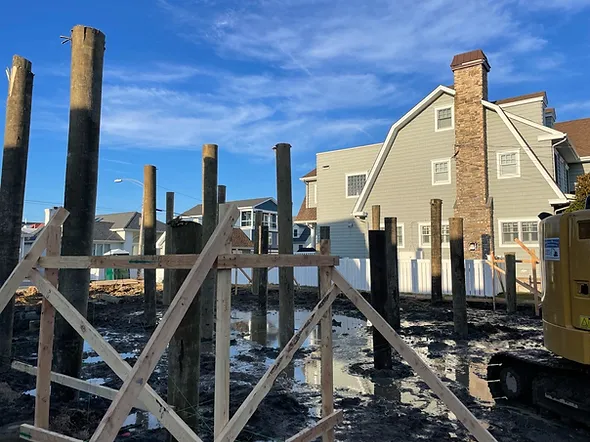
- Elevated foundations: Building on piers or pilings helps prevent flood damage and allows for water flow beneath the structure.
- Wind-resistant roofs: Hip roofs and reinforced trusses reduce uplift during storms.
- Storm shutters and impact windows: Protect glass from flying debris and reduce insurance costs.
- Ventilation: Cross-breezes and moisture-resistant materials help prevent mold and mildew.
Choosing Materials for Coastal Construction
Selecting the right materials is crucial for longevity and low maintenance. Salt, moisture, and wind can quickly degrade standard building products. For best results, opt for materials specifically designed for marine environments:
- Stainless steel or galvanized fasteners: Resist rust and corrosion.
- Fiber cement siding: Offers durability and resists rot, termites, and salt spray.
- Pressure-treated or composite decking: Withstands moisture and sun exposure.
- Impact-rated windows and doors: Provide extra protection during storms.
For a deeper dive into the best options, see this comprehensive guide to essential building materials for coastal homes.
Permits, Regulations, and Environmental Considerations
Building near the ocean involves strict compliance with local, state, and federal regulations. Permits are required for most construction activities, especially those affecting dunes, wetlands, or protected species. Work with professionals who understand the permitting process and can help you navigate environmental assessments.
- Obtain all necessary building and environmental permits before breaking ground.
- Follow setback requirements from the shoreline and flood zones.
- Implement erosion control measures, such as retaining walls or native plantings.
- Consider the impact on local wildlife and habitats, and incorporate sustainable practices where possible.
Step-by-Step Coastal Home Construction Process
Once planning and permitting are complete, the construction phase begins. Here’s a typical sequence for building a house by the sea:
- Site preparation: Clear vegetation, grade the land, and install erosion controls.
- Foundation installation: Use pilings, piers, or reinforced slabs based on soil and flood risk.
- Framing: Construct the structural skeleton with moisture-resistant lumber or steel.
- Roofing and siding: Install wind- and salt-resistant materials for maximum protection.
- Windows and doors: Fit impact-rated products and weatherproof all openings.
- Utilities and systems: Set up plumbing, electrical, HVAC, and septic or sewer connections.
- Interior finishes: Use mold-resistant drywall, paints, and flooring.
- Landscaping: Choose native, salt-tolerant plants and design for drainage and erosion control.
Tips for Sustainable and Bird-Friendly Coastal Homes
Coastal development can impact local wildlife, especially birds. To minimize disruption and create a harmonious environment, consider these strategies:
- Use downward-facing outdoor lighting to reduce light pollution.
- Install bird-safe glass or window decals to prevent collisions.
- Plant native vegetation to provide food and shelter for local species.
- Limit pesticide and fertilizer use near sensitive habitats.
For more ideas on supporting coastal wildlife, explore these resources on bird-friendly gardens in Jupiter FL and ways to help local birds.
Common Challenges When Building by the Sea
Constructing a home in a coastal zone comes with specific hurdles. Some of the most frequent issues include:
- Weather delays: Rain, storms, and high winds can slow progress.
- Material sourcing: Specialized products may have longer lead times or higher costs.
- Insurance requirements: Coastal properties often need additional coverage for wind, flood, and hurricane risks.
- Maintenance: Expect more frequent upkeep due to salt, sun, and humidity.
Planning ahead and working with experienced professionals can help you overcome these obstacles and enjoy a resilient, beautiful seaside home for years to come.
Frequently Asked Questions
What are the most important factors to consider before starting construction near the coast?
Key considerations include flood risk, soil stability, local building codes, and environmental regulations. It’s also essential to assess access to utilities and the potential impact on local wildlife and habitats.
How can I protect my home from storms and flooding?
Elevating the structure on pilings, using impact-resistant windows and doors, and installing reinforced roofing are effective ways to safeguard your property. Proper site grading and drainage also help prevent water damage.
Which materials are best for durability in a coastal environment?
Opt for stainless steel or galvanized fasteners, fiber cement siding, pressure-treated or composite decking, and impact-rated windows. These materials resist corrosion, moisture, and wind damage, ensuring long-lasting performance.