
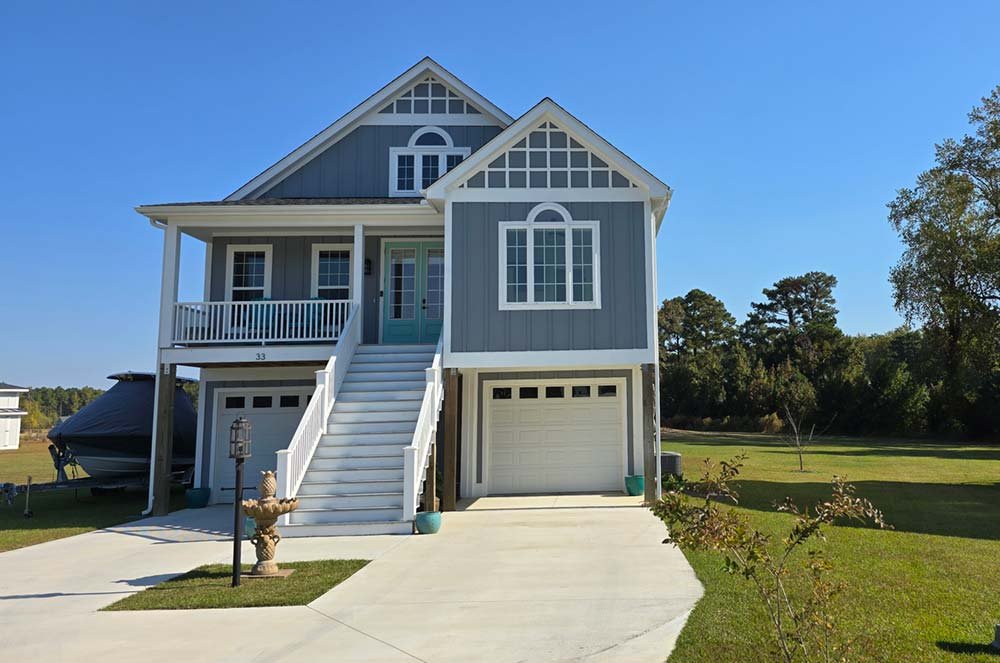
Building a home near the coast is a significant investment that requires careful planning and the right expertise. The unique challenges of coastal environments—like salt air, high winds, humidity, and potential flooding—mean that not every contractor is equipped for the job. Selecting the right professional for your project is essential to ensure durability, safety, and long-term value. This article provides a practical approach to finding a builder who understands the complexities of coastal construction and can deliver a home that stands the test of time.
If you’re budgeting for your project, understanding the coastal home construction cost breakdown can help you make informed decisions from the start.
Key Factors in Selecting a Coastal Construction Expert
Not all builders have the experience or knowledge to handle the demands of seaside construction. When evaluating candidates, prioritize those who specialize in coastal homes and have a proven track record in similar environments. Here are some essential factors to consider:
- Local Experience: Builders familiar with your region’s climate and regulations are better equipped to handle unique site conditions and permitting processes.
- Portfolio of Coastal Projects: Ask to see completed homes in coastal areas. Look for evidence of quality craftsmanship and attention to details that matter in harsh environments.
- Knowledge of Materials: The right professional will recommend materials that resist corrosion, moisture, and wind damage—such as stainless steel fasteners, treated lumber, and impact-rated windows.
- Understanding of Flood and Wind Codes: Compliance with local building codes, especially those related to hurricanes and flooding, is non-negotiable for safety and insurance.

Evaluating Credentials and Reputation
When narrowing your options, take time to verify licenses, insurance, and professional affiliations. A reputable builder should be transparent about their qualifications and happy to provide references. Contact past clients and, if possible, visit completed homes to assess their satisfaction and the property’s condition over time.
Online reviews and testimonials can offer additional insights, but prioritize direct conversations for the most reliable feedback. Look for consistency in positive comments about communication, problem-solving, and post-construction support.
Questions to Ask Your Prospective Builder
Before signing a contract, prepare a list of questions to gauge the builder’s expertise and approach. Consider including:
- What experience do you have with homes in coastal zones?
- How do you address challenges like salt exposure and high winds?
- Can you provide references from recent coastal projects?
- What warranties and post-build support do you offer?
- How do you stay updated on changing building codes and environmental regulations?

Comparing Bids and Understanding Costs
Cost is always a consideration, but the lowest bid isn’t always the best choice—especially for homes exposed to coastal elements. When reviewing proposals, ensure each builder includes details about materials, timelines, and allowances for site-specific challenges. Transparent, itemized bids make it easier to compare and spot potential red flags.
For a deeper look at expenses, refer to the coastal home construction cost breakdown to understand where your money goes and how to budget for contingencies.
Why Specialized Knowledge Matters for Seaside Builds
Coastal homes face constant exposure to moisture, salt, and wind. Builders who focus on these environments know which construction techniques and materials will extend the life of your investment. For example, they may recommend elevated foundations, reinforced roofing systems, and advanced waterproofing methods.
Staying informed about the latest practices is also crucial. For more on what to consider when building near the ocean, see this comprehensive guide to coastal home considerations.
Additional Considerations for Long-Term Success
Beyond the build itself, ongoing maintenance is key to preserving your home’s value. Choose a builder who can advise on upkeep and recommend trusted local service providers. You may also want to review the coastal home maintenance guide for tips on protecting your property from the elements.
If your area is prone to storms or flooding, ask about emergency repair protocols and how your builder handles post-disaster recovery. Resources like the coastal home repair after flooding article and coastal home rebuilding after hurricane guide can help you prepare for the unexpected.
Red Flags to Watch Out For
While most professionals are trustworthy, it’s important to be aware of warning signs that could indicate future problems. Be cautious if a builder:
- Hesitates to provide references or proof of insurance.
- Offers vague or incomplete bids.
- Pressures you to sign quickly or pay large deposits upfront.
- Lacks experience with local regulations or coastal construction methods.
Taking the time to vet your options can save you from costly mistakes and ensure your new home is built to last.
FAQ
What makes coastal home construction different from inland building?
Coastal homes must withstand harsher environmental conditions, including salt air, high humidity, strong winds, and the risk of flooding or hurricanes. This requires specialized materials, construction techniques, and strict adherence to local building codes.
How can I verify a builder’s experience with seaside projects?
Ask for a portfolio of completed coastal homes and request references from past clients in similar locations. Visiting these properties and speaking directly with homeowners can give you valuable insights into the builder’s expertise and reliability.
Are there specific materials recommended for homes near the ocean?
Yes, materials like stainless steel, treated lumber, impact-resistant windows, and advanced waterproofing systems are commonly used to combat corrosion, moisture, and wind damage. A knowledgeable builder will recommend products suited for your site’s conditions.
What should I do if my coastal home is damaged by a storm?
Contact your builder or a local specialist with experience in coastal repairs. For guidance, refer to resources such as the coastal home repair after flooding guide for step-by-step advice.